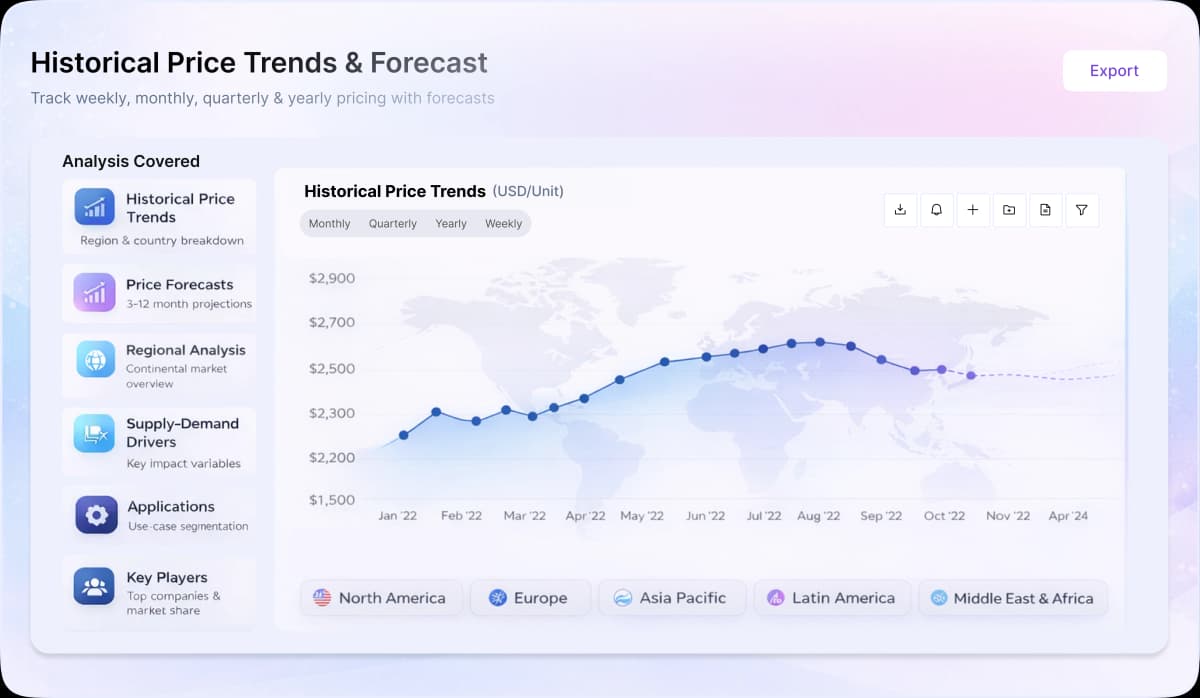
- Global isopropyl alcohol markets showed a fluctuating but firm trend in Q1 2026, shaped by supply adjustments and rising cost pressures across key regions.
- Feedstock support strengthened towards the end of the quarter as upstream conditions tightened due to disruptions in supply chains and higher crude-linked costs.
- Downstream demand from pharmaceuticals, disinfectants, coatings, and solvents remained steady, though buyers showed resistance during sharp cost escalations.
Asia
In Asia, isopropyl alcohol followed a volatile trajectory, initially supported by tight supply conditions and strong downstream demand from pharmaceuticals, sanitizers, and coatings. Early in the quarter, reduced operating rates and low inventories supported firm sentiment. However, as production units resumed and new capacity entered the market, supply increased, and demand softened due to seasonal slowdown, leading to weaker conditions. Towards March, the market strengthened again as disruptions in plant operations and logistics tightened availability. The impact of geopolitical tensions and supply chain disturbances significantly supported propylene, raising production costs and pushing isopropyl alcohol sentiment upward, while downstream sectors continued procurement mainly for essential requirements.
Europe
In Europe, isopropyl alcohol conditions remained relatively stable but firm, supported by steady downstream demand from pharmaceuticals, industrial cleaning, and coatings sectors. Supply remained balanced, but rising logistics costs and geopolitical disruptions increased replacement costs across the region. The influence of propylene was visible through cost-side support, especially as supply chain disruptions and higher energy-linked costs limited any downward movement. Buyers maintained cautious purchasing strategies, focusing on immediate needs rather than large inventory buildup, which kept the market stable with slight upward pressure.
North America
In North America, the isopropyl alcohol market strengthened towards the latter half of the quarter, supported by tighter domestic availability and higher logistics costs. Limited import flexibility and steady demand from disinfectants, personal care, and industrial solvents maintained firm consumption levels. The effect of propylene remained a key cost driver, as supply chain disruptions and elevated upstream costs reinforced supplier pricing power. Inventory levels remained controlled, preventing any oversupply situation and supporting overall market firmness.
Analyst Insight
According to Procurement Resource, in the near term, isopropyl alcohol prices are expected to remain firm with moderate fluctuations, as continued feedstock cost support and supply disruptions balance against cautious downstream demand.