Amoxicillin Price Trend Analysis 2026: Price Drivers, Historical Prices, Supply Demand Analysis, Latest News & Market Insights

Procurement Resource Database

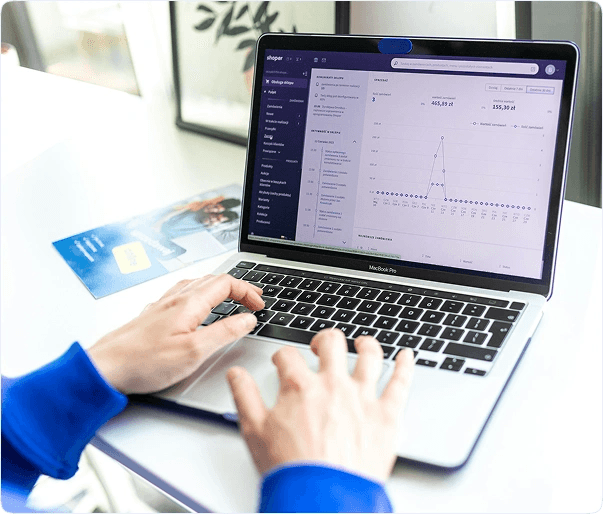
Laptop screen

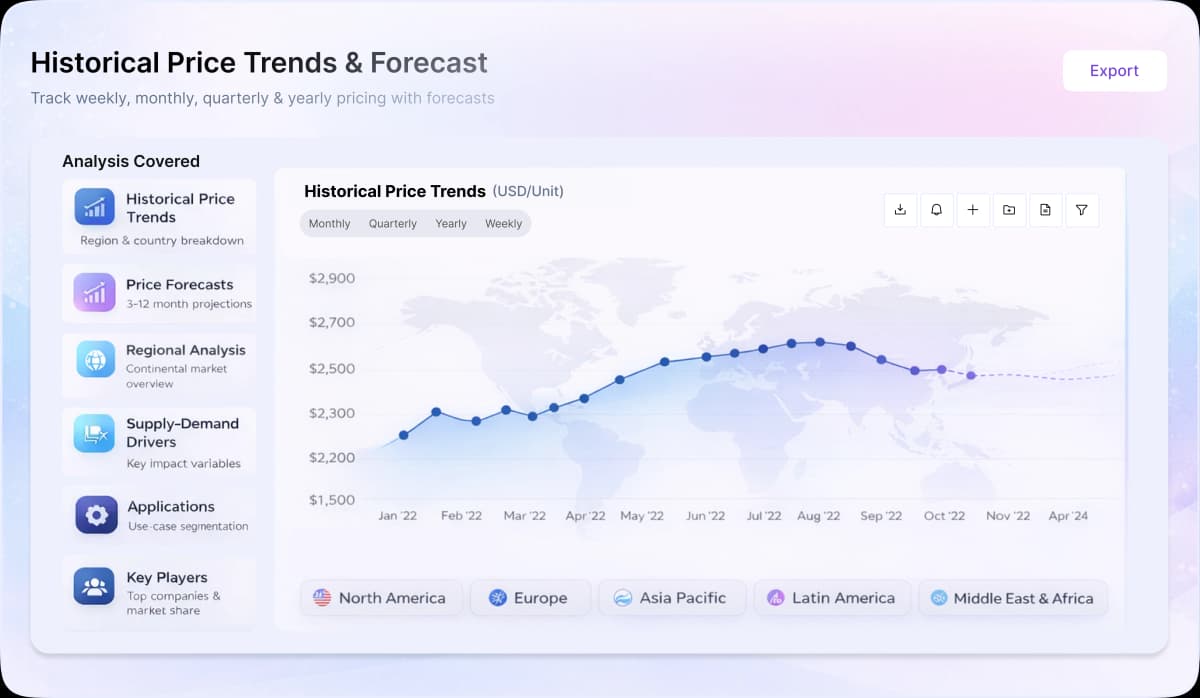
Turn price intelligence into action with the Procurement Resource Database. Log in or subscribe to unlock live price trends, historical charts, supplier databases, cost curves, and analyst-backed insights across chemicals, agriculture, energy, packaging, and more. Use these tools to benchmark your contracts, plan budgets with confidence, and stay ahead of market moves on every product you buy.

0

+

Products

0

+

Regions

0

+

Subscriptions

Asia

The initial phase of the first half of 2024 gave a strong start to the Amoxicillin market. Although after this phase, the price trend of Amoxicillin in Asia displayed fluctuations driven by multiple factors.

The market initially experienced stable prices due to sufficient inventories and a balanced supply-demand scenario. However, toward the end of this period, the trend shifted upward due to increased external demand and production constraints in major factories. Additional upward pressure came from supply chain disruptions, congestion in key Asian ports, and logistical challenges affecting exports. These factors collectively contributed to a price increase for Amoxicillin in the region.

Europe

In Europe, Amoxicillin prices saw a gradual upward trend throughout the first half of 2024. Early in the year, prices remained relatively steady as the market adapted to changing supply chain dynamics and geopolitical tensions that affected shipping routes. The demand for Amoxicillin from downstream industries, coupled with logistical hurdles and higher shipping costs, led to an increase in prices. This trend was even sustained even in the later stages of the second quarter unlike the Asian countries, supported by the positive demand from both domestic and international markets, particularly from North America, supporting the continued upward movement in Amoxicillin prices.

North America

In North America, the Amoxicillin market experienced a positive price trend during the first half of 2024. Strong domestic demand from the healthcare sector, alongside supply constraints, provided upward momentum for prices. The region also faced logistical challenges due to disruptions like the collapse of the Key Bridge in Baltimore and the impact of global geopolitical tensions. These supply chain issues, combined with increased export interest from Europe, further bolstered the price increases for Amoxicillin in North America throughout this period.


About Amoxicillin

Amoxicillin is a narrow-spectrum penicillin antibiotic. It treats bacterial infections, such as chest infections, skin infections, urinary tract infections, and dental abscesses. It is taken by mouth or, less commonly, by injection. Amoxicillin belongs to the beta-lactam class of antibiotics, and it was discovered by scientists at Beecham Research Laboratories in 1972. It is the most prescribed medication for children and should not be given to individuals allergic to penicillin.

Amoxicillin Product Detail

HS Code
30041030
Chemical Formula

C16H19N3O5S

CAS Number
26787-78-0
Molecular Weight
365.40 g/mol
Industrial Uses

Antibiotics, Pharmaceutical, Skin infections, Chest infections

Synonyms

Amoxycillin, Amox

Supplier Database

Sinopharm Weiqida, Teva API, Otto Brandes GmbH, United Pharma Industries Co Ltd, Indukern Chemie AG

Regional Coverage

Asia Pacific

China, India, Indonesia, Pakistan, Bangladesh, Japan, Philippines, Vietnam, Iran, Thailand, South Korea, Iraq, Saudi Arabia, Malaysia, Nepal, Taiwan, Sri Lanka, UAE, Israel, Hongkong, Singapore, Oman, Kuwait, Qatar, Australia, and New Zealand

Europe

Germany, France, United Kingdom, Italy,Spain, Russia, Turkey, Netherlands, Poland, Sweden, Belgium, Austria, Ireland Switzerland, Norway, Denmark, Romania, Finland, Czech Republic, Portugal and Greece

North America

United States and Canada

Latin America

Brazil, Mexico, Argentina, Columbia, Chile, Ecuador, and Peru

Africa

South Africa, Nigeria, Egypt, Algeria, Morocco

CurrencyUS$ (Data can also be provided in local currency)

Supplier Database AvailabilityYes

Customization ScopeThe report can be customized as per the requirements of the customer

Post-Sale Analyst Support360-degree analyst support after report delivery

Note: Our supplier search experts can assist your procurement teams in compiling and validating a list of suppliers indicating they have products, services, and capabilities that meet your company's needs.

Amoxicillin Production Processes

  • Production of Amoxicillin by p-hydroxyphenylglycine

Penicillin G acylase enzyme immobilized on glyoxyl-agarose is used to catalyze the reaction between p -hydroxyphenylglycine methyl ester (POHPGME) and 6-aminopenicillanic acid (6-APA) to obtain Amoxicillin.

Frequently Asked Questions

The amoxicillin outlook for the rest of the year is firm, with stable price momentum expected to persist across key markets. The trend is underpinned by steady pharmaceutical demand, higher input costs, and continued dependence on concentrated Asian supply chains. India’s introduction of minimum import prices for amoxicillin trihydrate, alongside Penicillin-G and 6-APA, is providing further support to domestic pricing. A reversal would require easing input costs, a significant demand for pullback, improved supply availability, or expanded production capacity.
Amoxicillin prices are driven primarily by upstream intermediate costs, including p-hydroxyphenylglycine, 6-aminopenicillanic acid, and related reagents used in synthesis, since API manufacturing is chemically intensive with multiple reaction steps. Freight and logistics costs on the China and India to Europe and North America shipping lanes are a second major driver, since disruptions to major maritime routes can extend lead times and push buyers toward strategic inventory building, which itself tightens near-term availability. Downstream pharmaceutical demand, tied to bacterial infection rates and generic formulation volumes, sets the pace of offtake against available supply.
The amoxicillin supply chain is concentrated in China and India, supported by manufacturers including Sinopharm Weiqida, Teva API, United Pharma Industries Co Ltd, Indukern Chemie AG, and Otto Brandes GmbH. Asia Pacific led by Indonesia, Pakistan, Bangladesh, Vietnam, the Philippines, and Thailand, drives demand through large populations and high respiratory infection prevalence. North America, Europe, Latin America, and Africa are major importing regions. Supply concentration in China and India poses risks, making diversification critical for procurement security.
Amoxicillin is synthesized from p-hydroxyphenylglycine, which forms Dane salt with anhydrous ethanol, ethyl acetoacetate, and potassium hydroxide before reacting with pivaloyl chloride in methylene dichloride, 2,6-lutidine, and N,N-dimethylacetamide. This intermediate couples with 6-aminopenicillanic acid via Penicillin G acylase on glyoxyl-agarose to yield amoxicillin. The commercial grade is amoxicillin trihydrate (USP, Ph. Eur.) for oral capsules, tablets, and suspensions treating respiratory, urinary tract, skin, and ENT infections, H. pylori eradication, and veterinary use.
Amoxicillin demand is driven by its use as an antibiotic treating bacterial infections including bronchitis, tonsillitis, pneumonia, and ear, nose, throat, skin, and urinary tract infections. Its application in combination therapy with clarithromycin for stomach ulcers and in Lyme disease and anthrax prevention further broadens its market. The pharmaceutical and medical industries are the primary end-use sectors, with bacterial infection rates, generic formulation availability, and diverse dosage forms determining the underlying level of procurement activity and pricing support.
China and India dominate global amoxicillin API production, with manufacturers such as Teva API and Sinopharm Weiqida among key suppliers. This concentration gives producers meaningful pricing leverage, so any disruption in either country, whether a plant outage, regulatory change, or logistics bottleneck, quickly tightens global availability. Because shipping lanes from Asia to Europe and North America are a critical link in the supply chain, disruptions to major maritime routes such as the Red Sea corridor can extend lead times and prompt buyers to build strategic inventories, which itself adds further upward pressure on prices.
Procurement Resource assesses amoxicillin price trends through a structured, data-driven methodology that combines primary engagement with producers, suppliers and traders, secondary market data, monitoring of feedstock and input costs, trade-flow and inventory tracking, and exchange or spot benchmarks. These inputs are validated and translated into a transparent price assessment and outlook. The detailed methodology is available on the Procurement Resource website.

Our Price Analysis Methodology

About the Author

Vishakha Agrawal profile photo

Vishakha Agrawal

Lead - Social & Development Research

Delivering procurement intelligence and supply chain analytics across healthcare, FMCG, and chemicals sectors, with expertise in cost modeling, vendor mapping, and spend optimization to support data-driven sourcing decisions and procurement outcomes.

Schedule Demo

Schedule A Demo

Experience how Procurement Resource transforms raw material price data into clear, decision ready intelligence. Optimise your performance with reliable, expert market data and analysis. Schedule your demo today to experience a live walk-through where our experts will showcase interactive price charts, forecasted prices, and insights driving the prices for your key commodities, tailored to your workflows. Contact us now!

Our Team will be happy to assist you

We are just a text away

+1

Still Need Help?

Europe & Africa

+44 7573 171117

Sales@procurementresource.com

USA & Canada

+1 307 363 1045

Sales@procurementresource.com

APAC

+91 8850629517

Sales@procurementresource.com

Unlock full access to Procurement Resource's price databases, interactive charts, and short-term forecasts for thousands of commodities. Elevate your sourcing decisions by comparing prices across regions, downloading historical data, and layering in analyst-backed insights, all with our flexible plans that scale as your portfolio grows.

Still have any Questions

Contact Us
Mastercard
Wire
VISA
Stripe

Why Procurement Database

Commodity Market Intelligence

Commodity Market Intelligence

Track prices, market movements, supply-demand dynamics, and industry developments across hundreds of commodities through a centralized intelligence platform built for informed procurement decisions.

Price Forecasts & Market Outlooks

Price Forecasts & Market Outlooks

Understand market fluctuations using analyst-backed forecasts, historical pricing patterns, and evolving industry trends to strengthen sourcing strategies and budget planning.

Cost & Procurement Optimization

Cost & Procurement Optimization

Leverage cost models, pricing benchmarks, and procurement insights to evaluate purchasing opportunities, improve negotiations, and enhance operational efficiency.

Global & Regional Market Insights

Global & Regional Market Insights

Access region-specific price trends, trade activities, capacity changes, and supply chain developments influencing commodity markets worldwide.

1/4