Boxboard Price Trend Analysis 2026: Price Drivers, Supply Demand Analysis, Historical Prices, Latest News & Market Insights

Udeesha Tomar profile photo
Written ByUdeesha Tomar

Procurement Resource Database

Laptop screen

Turn price intelligence into action with the Procurement Resource Database. Log in or subscribe to unlock live price trends, historical charts, supplier databases, cost curves, and analyst-backed insights across chemicals, agriculture, energy, packaging, and more. Use these tools to benchmark your contracts, plan budgets with confidence, and stay ahead of market moves on every product you buy.

0

+

Products

0

+

Regions

0

+

Subscriptions

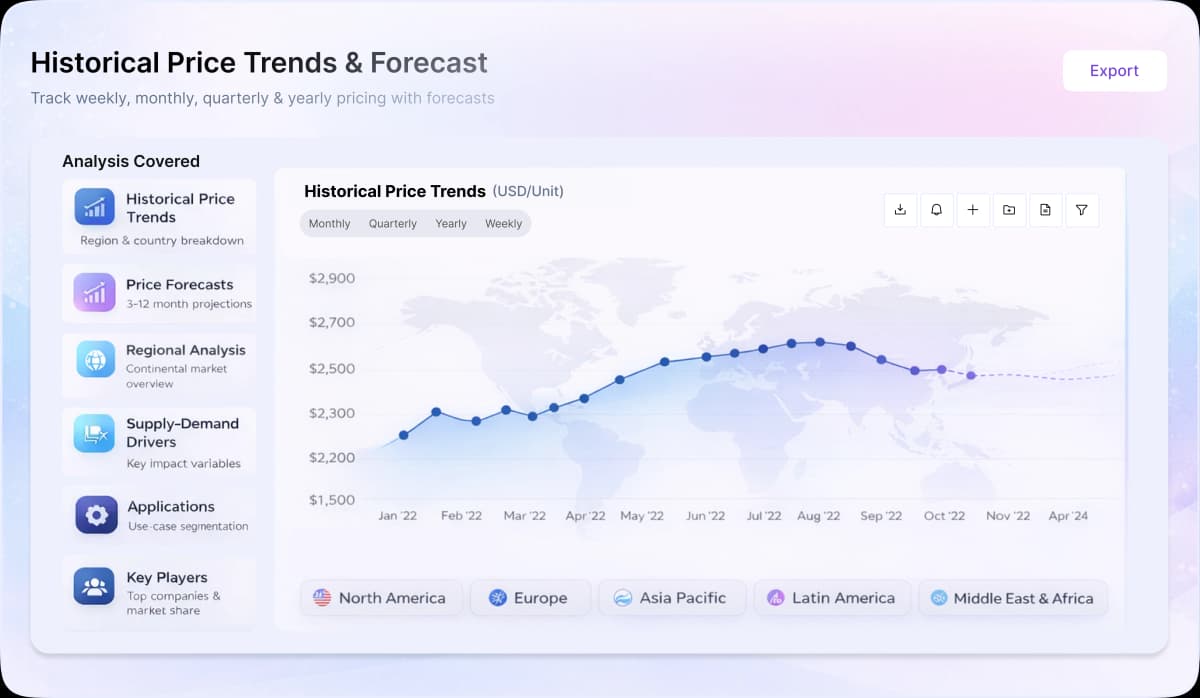
The price graph of boxboard recorded considerable fluctuations in the second half of 2024. The demand situation remained stagnant in this period, as the market was still in recovery from a prolonged inventory correction that had impacted demand in previous quarters. E-commerce activity offered a measure of support to corrugated and boxboard demand. On the supply side, consolidation among key market players continued, with mill rationalisation efforts including planned downtime and capacity reduction. This had a slightly positive impact on the supply-demand balance. Raw material costs, such as those of recovered fibre, remained high, affecting mill profitability. Market sentiment was also influenced by early discussions on import duty policy, which added a further level of complexity to market dynamics towards the close of the year.

About Boxboard

Boxboard, also known as carton board or cardboard, is a type of paperboard characterized by its sturdy and rigid structure, typically composed of multiple layers of paper fibers. It is commonly used in packaging due to its durability, lightweight nature, and ability to be easily printed or decorated.

Boxboard comes in various grades and thicknesses to suit different applications, ranging from lightweight folding cartons to heavy-duty packaging containers. Its smooth surface provides an ideal substrate for high-quality printing, making it suitable for packaging designs and graphics. Overall, boxboard is valued for its versatility, cost-effectiveness, and eco-friendly properties in a wide range of industrial and commercial applications.

Boxboard Product Detail

Industrial Uses

Packaging, Printing and graphics, Construction

Supplier Database

Sappi, Stora Enso, Nippon Paper Group, Mondi, ITC Limited, International Paper

Regional Coverage

Asia Pacific

China, India, Indonesia, Pakistan, Bangladesh, Japan, Philippines, Vietnam, Iran, Thailand, South Korea, Iraq, Saudi Arabia, Malaysia, Nepal, Taiwan, Sri Lanka, UAE, Israel, Hongkong, Singapore, Oman, Kuwait, Qatar, Australia, and New Zealand

Europe

Germany, France, United Kingdom, Italy,Spain, Russia, Turkey, Netherlands, Poland, Sweden, Belgium, Austria, Ireland Switzerland, Norway, Denmark, Romania, Finland, Czech Republic, Portugal and Greece

North America

United States and Canada

Latin America

Brazil, Mexico, Argentina, Columbia, Chile, Ecuador, and Peru

Africa

South Africa, Nigeria, Egypt, Algeria, Morocco

CurrencyUS$ (Data can also be provided in local currency)

Supplier Database AvailabilityYes

Customization ScopeThe report can be customized as per the requirements of the customer

Post-Sale Analyst Support360-degree analyst support after report delivery

Note: Our supplier search experts can assist your procurement teams in compiling and validating a list of suppliers indicating they have products, services, and capabilities that meet your company's needs.

Boxboard Production Process

  • Boxboard Production using wood and wastepaper pulp: The wood from softwood trees is preferred for the production of boxboards. The wood is first processed to produce chips and is then broken down by grinding or chemical breakdown into pulp. The pulp is then dried, corrugated, and assembled in the form of boxes of desired dimensions.

Frequently Asked Questions

The boxboard outlook remains tied to the pace of capacity rationalisation relative to end use demand recovery. Ongoing closures and idling of both virgin and recycled capacity are working to tighten supply, while recovered fibre costs and end-use demand strength in food, beverage, and consumer-goods packaging determine how quickly the market rebalances. Tariff policy affecting recyclable material imports, along with India's minimum import price and GST settings for virgin multi-layer paperboard, continue to shape procurement costs in key markets. A faster demand recovery or further supply discipline would support firmer pricing, while renewed recovered fibre weakness would cap it.
Boxboard prices are shaped by competing supply and demand pressures. Recovered fibre availability and pricing directly affect input costs for recycled grades, while capacity closures and idling across virgin and recycled segments can tighten supply and support prices. Weakening domestic consumption pulls prices down when it runs below expectations. Tariffs on recyclable material imports from key trading partners can constrain recovered fibre supply, while regulatory shifts such as minimum import pricing or GST changes on virgin multi-layer paperboard raise procurement costs and strain working capital for packaging buyers in affected markets.
Key boxboard producers include Sappi, Stora Enso, Nippon Paper Group, Mondi, ITC Limited, and International Paper. Production and trade are concentrated across Asia Pacific, Europe, and North America, with China, India, Japan, South Korea, Germany, France, the UK, the US, and Canada as key producing and consuming markets. Latin America and Africa are largely import-dependent. Ongoing capacity rationalisation and India's regulatory shifts, including minimum import pricing and GST revisions, add supply complexity. Concentration among a handful of global producers warrants supply security attention.
The boxboard value chain starts with softwood trees processed via Kraft (sulfate) pulping to produce wood chips and pulp, alongside recovered paper as secondary furnishings. Bleached softwood and hardwood kraft form the surface layers for strength; mechanical pulp or BCTMP provides bulk in the middle, and unbleached kraft forms the back layer. Starch enables internal bonding, while calcium carbonate and kaolin coatings create a smooth printable surface. The dried board is then cut, creased, and folded into finished cartons for food packaging, pharmaceuticals, cosmetics, and consumer goods.
Demand from food and beverage packaging, electronics, pharmaceuticals, cosmetics, and printing applications underpin boxboard consumption. When end-use demand across these sectors weakens and domestic consumption runs below expectations, it typically contributes to industry capacity rationalisation, as converters scale back orders and producers respond by idling or closing capacity. A gradual recovery in end-use demand, paired with supply rationalisation, is generally what rebalances the market and supports price stabilisation over time.
Boxboard prices are shaped by raw material and trade-cost pressures that feed into converting expenses. Recovered fibre, a key feedstock for recycled boxboard, is a major cost lever: when it trades at very low levels, input cost buffers compress, and when tariffs on recyclable material imports reduce recovered fibre import volumes, supply tightens and procurement costs rise. In India, minimum import pricing on virgin multi-layer paperboard and GST rate settings add to landed costs and working capital requirements for packaging converters, squeezing margins.
Procurement Resource assesses boxboard prices through a structured, data-driven methodology that combines primary engagement with producers, suppliers and traders, secondary market data, continuous monitoring of feedstock and input costs, trade-flow and inventory tracking, and exchange or spot benchmarks. Each assessment is validated and translated into a transparent price outlook. The detailed methodology is available on the Procurement Resource website.

Our Price Analysis Methodology

About the Author

Udeesha Tomar profile photo

Udeesha Tomar

AVP - Strategy and Solutions

Leading procurement research solutions across chemicals, materials, and food & beverages, with expertise in price forecasting and market analytics.

Schedule Demo

Schedule A Demo

Experience how Procurement Resource transforms raw material price data into clear, decision ready intelligence. Optimise your performance with reliable, expert market data and analysis. Schedule your demo today to experience a live walk-through where our experts will showcase interactive price charts, forecasted prices, and insights driving the prices for your key commodities, tailored to your workflows. Contact us now!

Our Team will be happy to assist you

We are just a text away

+1

Still Need Help?

Europe & Africa

+44 7573 171117

Sales@procurementresource.com

USA & Canada

+1 307 363 1045

Sales@procurementresource.com

APAC

+91 8850629517

Sales@procurementresource.com

Unlock full access to Procurement Resource's price databases, interactive charts, and short-term forecasts for thousands of commodities. Elevate your sourcing decisions by comparing prices across regions, downloading historical data, and layering in analyst-backed insights, all with our flexible plans that scale as your portfolio grows.

Still have any Questions

Contact Us
Mastercard
Wire
VISA
Stripe

Why Procurement Database

Commodity Market Intelligence

Commodity Market Intelligence

Track prices, market movements, supply-demand dynamics, and industry developments across hundreds of commodities through a centralized intelligence platform built for informed procurement decisions.

Price Forecasts & Market Outlooks

Price Forecasts & Market Outlooks

Understand market fluctuations using analyst-backed forecasts, historical pricing patterns, and evolving industry trends to strengthen sourcing strategies and budget planning.

Cost & Procurement Optimization

Cost & Procurement Optimization

Leverage cost models, pricing benchmarks, and procurement insights to evaluate purchasing opportunities, improve negotiations, and enhance operational efficiency.

Global & Regional Market Insights

Global & Regional Market Insights

Access region-specific price trends, trade activities, capacity changes, and supply chain developments influencing commodity markets worldwide.

1/4