Need latest Instant Noodles prices?
Get real-time price assessments, periodic trends, forecasts and price driver insights across key global markets.
Unlock Price Insights NowOur Clients
The fourth quarter of 2025 saw instant noodles maintain their position as an affordable food option amid continuing cost-of-living pressures globally. While the product category remained budget friendly compared to other meal alternatives, manufacturers faced mounting pressure from rising ingredient costs, particularly wheat and cooking oil, which created challenges for maintaining traditional low price points.
Korean producers continued dominating premium segments of the market, with their products commanding higher prices due to strong brand recognition and viral social media presence. These specialty varieties appealed to consumers willing to pay more for trendy, flavourful options that felt like small luxuries during economically difficult times. Meanwhile, basic instant noodle varieties maintained stable pricing as retailers used them as traffic drivers to attract cost-conscious shoppers.
Japanese restaurants and food chains accelerated their shift toward promoting noodle-based dishes as rice prices remained elevated, creating increased competition in the broader noodle market. Supermarkets actively pushed pasta and alternative grain products alongside instant noodles, recognizing consumer demand for affordable meal solutions. Convenience stores expanded their instant noodle selections and introduced more barley-based options to capture budget-conscious buyers seeking rice substitutes.
Analyst Insight
According to Procurement Resource, Instant Noodles prices will likely rise in the coming year as ingredient cost increases become unavoidable, though manufacturers will work to keep adjustments minimal to preserve market share.
Get real-time price assessments, periodic trends, forecasts and price driver insights across key global markets.
Unlock Price Insights NowOur Clients

Turn price intelligence into action with the Procurement Resource Database. Log in or subscribe to unlock live price trends, historical charts, supplier databases, cost curves, and analyst-backed insights across chemicals, agriculture, energy, packaging, and more. Use these tools to benchmark your contracts, plan budgets with confidence, and stay ahead of market moves on every product you buy.

0
+Products
0
+Regions
0
+Subscriptions
In the third quarter of 2025, instant noodle prices in the U.S. market came under pressure due to rising import tariffs. Korean brands, especially Samyang Foods’ Buldak noodles, faced a significant cost burden after a new 15% tariff was imposed on all Korean imports. Since Samyang has no U.S. manufacturing base, every exported pack was directly affected.
Although the company initially tried to absorb the cost by cutting operational expenses and offering discounts, it eventually decided to raise prices to maintain profitability. Discussions with major retailers like Walmart and Costco were ongoing, and the exact timing of price changes remained uncertain.
At the same time, competition from Indonesian brand Indomie intensified. A new trade agreement between the U.S. and Indonesia reduced input costs, such as wheat, and lowered tariffs on Indonesian goods. This gave Indomie a pricing advantage and potential to expand in the American market. Other Korean brands like CJ CheilJedang and Nongshim were less impacted, thanks to their U.S.-based production facilities, helping them maintain stable pricing.
Instant Noodles are dried or precooked noodles that are often sold with sachets of flavouring including seasoning oil. Dried noodles are generally eaten after being cooked or soaked in boiling water, while precooked or instant noodles can be reheated or eaten straight from the packet.
Noodle soup, Noodle
Instant ramen
Nestlé SA, Ajinomoto Co., Inc, Unilever, Capital Foods Pvt. Ltd, ITC Limited
CurrencyUS$ (Data can also be provided in local currency)
Supplier Database AvailabilityYes
Customization ScopeThe report can be customized as per the requirements of the customer
Post-Sale Analyst Support360-degree analyst support after report delivery
Note: Our supplier search experts can assist your procurement teams in compiling and validating a list of suppliers indicating they have products, services, and capabilities that meet your company's needs.
To produce Instant Noodles, all the ingredients are first mixed in the dough, then it is rolled out, cut into noodles, steamed, dried, fried for a minute or two for dehydration, cooled, and then finally packed into the individual units.
Our Price Analysis Methodology

Experience how Procurement Resource transforms raw material price data into clear, decision ready intelligence. Optimise your performance with reliable, expert market data and analysis. Schedule your demo today to experience a live walk-through where our experts will showcase interactive price charts, forecasted prices, and insights driving the prices for your key commodities, tailored to your workflows. Contact us now!
Our Team will be happy to assist you
We are just a text away
Still Need Help ?
This report provides the cost structure of instant noodles from dehydration process. A dough is formed using flour, salt, palm oil. After giving proper time to dough to mature, it is rolled out and pressed evenly into spreads.
Unlock full access to Procurement Resource's price databases, interactive charts, and short-term forecasts for thousands of commodities. Elevate your sourcing decisions by comparing prices across regions, downloading historical data, and layering in analyst-backed insights, all with our flexible plans that scale as your portfolio grows.


Still have any Questions
Contact Us


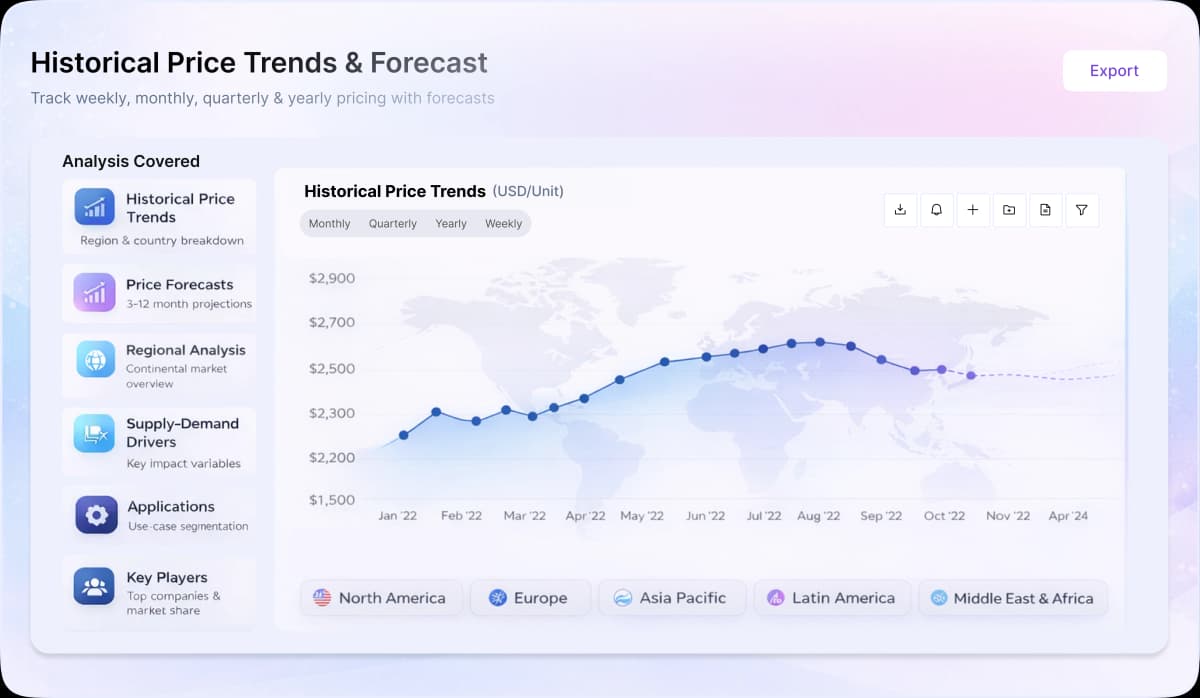
Price Trend Dashboard - What's Included
Price trends across a diverse portfolio of categories and products, spanning board to niche chemicals
Coverage extendable to grade-specific chemicals based on procurement requirements
Regular price tracking supported by robust historical datasets
News, policy updates, and key market drivers impacting price movements
Short-term and long-term price outlooks and forecasts
Supply–demand dynamics and capacity-driven market analysis