Kraft Paper Price Trend Analysis 2026: Supply Demand Analysis, Market Insights, Price Drivers, Latest News & Historical Prices

Pragati Agarwal profile photo
Written ByPragati Agarwal

Procurement Resource Database

Laptop screen

Turn price intelligence into action with the Procurement Resource Database. Log in or subscribe to unlock live price trends, historical charts, supplier databases, cost curves, and analyst-backed insights across chemicals, agriculture, energy, packaging, and more. Use these tools to benchmark your contracts, plan budgets with confidence, and stay ahead of market moves on every product you buy.

Kraft Paper Dashboard Inclusions

Kraft Paper Price Dasboard

0

+

Products

0

+

Regions

0

+

Subscriptions

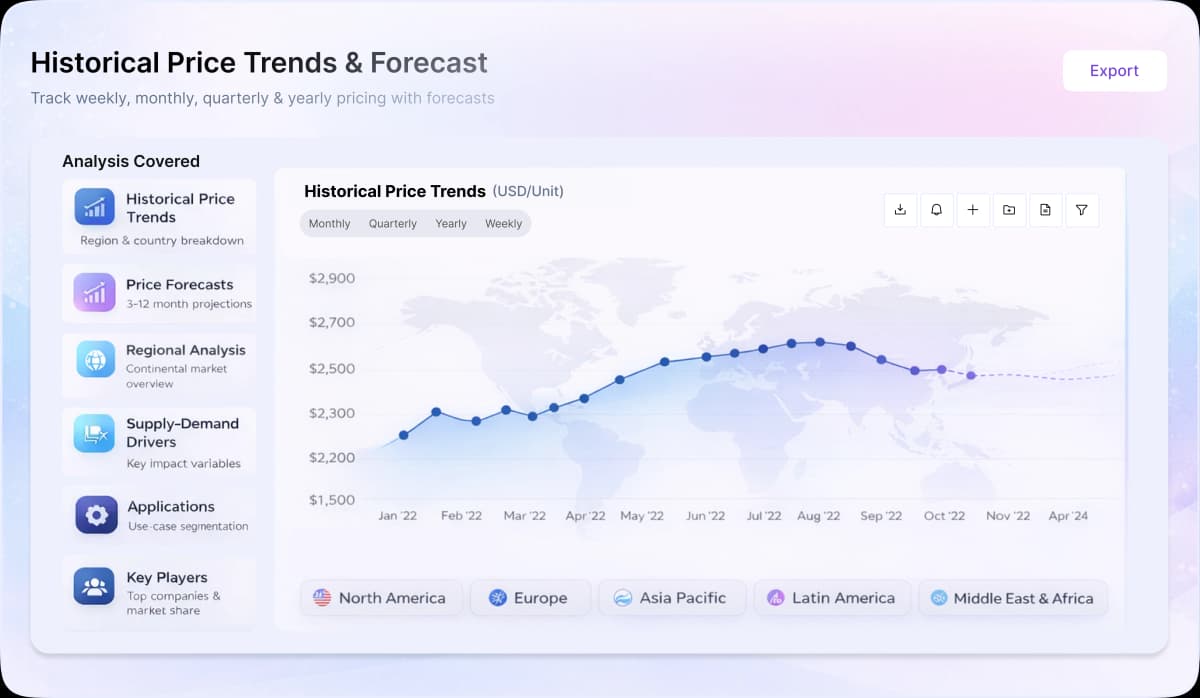
  • Kraft paper prices in India and nearby export-linked markets followed a firm upward trend in the first quarter of 2026, mainly because supply-chain disruptions and freight uncertainty raised input-side pressure.
  • Feedstock costs increased as recovered paper imports became costlier, coal and chemicals moved higher, and war-related disruption around West Asia and the Strait of Hormuz tightened logistics.
  • Downstream demand from packaging, FMCG, food processing, and other box-consuming sectors remained steady, allowing mills to push through higher offers despite margin pressure.

Kraft paper prices moved upward in the first quarter of 2026 as West Asia tensions disrupted trade flows and raised production costs across the paper value chain. India’s paper industry warned that nearly 30% of its paper exports could be affected if shipping disruption continues, with kraft paper among the exposed grades. Recovered paper imports into India were also hindered by higher freight charges, opaque surcharges, and shipment uncertainty around transshipment routes linked to the Strait of Hormuz. Several cargoes were delayed, some were offloaded before loading, and mills faced tighter supply visibility. Imported recovered paper prices also rose across grades, with brown grades seeing the sharpest increase, which directly supported kraft paper prices. Higher coal, chemical, and fuel costs added further pressure, while buyers stayed active because packaging demand remained stable. At the same time, slower exports risked pushing excess finished paper back into the domestic market, which could later limit sharper gains.


Frequently Asked Questions

During Q1 2026, kraft paper prices remained firm across major packaging markets. Demand from corrugated boxes, e-commerce packaging, retail distribution, and industrial sacks supported market activity. Mills avoided aggressive supply increases and converters purchased mainly for near-term needs. Input pressure from pulp, recovered paper, energy, chemicals, and logistics also helped keep pricing supported during the quarter.
The kraft paper outlook for 2026 remains positive, supported by steady demand from corrugated boxes, e-commerce packaging, food packaging, retail carry bags, and industrial sacks. Producers are expected to benefit from the shift toward recyclable and paper-based packaging. However, pulp costs, recovered paper availability, energy prices, and freight disruptions may continue to affect margins and pricing.
Kraft paper prices were mainly affected by input cost pressure and logistics disruption. Imported recovered paper, pulp, coal, chemicals, and energy became costlier, while West Asia tensions raised freight and insurance costs for some shipping routes. These pressures increased mill production costs. At the same time, steady packaging demand and controlled mill output supported firmer price movement.
Major kraft paper markets include China, the United States, Canada, Germany, the United Kingdom, India, Japan, and Southeast Asian countries. China remains an important producer and consumer due to its packaging and export sectors. North America has strong kraft liner and containerboard capacity, while Europe and India are supported by corrugated packaging, retail, food, and industrial demand.
Graphic Packaging’s Waco recycled paperboard mill in Texas continued ramping up in 2026 after producing its first commercial-grade paperboard in October 2025. The project represents a major capacity addition, with reported capacity of about 500,000 to 550,000 tons annually. The mill also processes recovered fiber and paper cups, supporting recycled paperboard supply for packaging applications.

A key policy development was the EU Packaging and Packaging Waste Regulation guidance published in March 2026. The rule pushes packaging producers, importers, and brand owners toward recyclable and compliant packaging before the August 2026 application date. This supported demand planning for paper-based and recyclable packaging materials, including kraft paper, while also increasing compliance pressure on packaging converters.

The kraft paper value chain starts with wood, wood chips, recovered paper, and pulp. These feedstocks move through pulping, chemical recovery, refining, sheet formation, drying, winding, converting, and distribution. Kraft paper then goes into corrugated boxes, sacks, wrapping paper, mailers, and industrial packaging. Cost changes at any stage, especially pulp, wastepaper, energy, or freight, affect final pricing.

Packaging demand remained one of the strongest supports for kraft paper in Q1’26. Corrugated boxes, retail packaging, food delivery, industrial sacks, and e-commerce shipping continued to absorb large volumes of kraft-based paper. Buyers remained careful with inventories, but consumption from logistics and consumer goods channels kept base demand stable. This helped mills maintain production discipline and avoid sharp price weakness.
Kraft paper producers faced pressure from rising feedstock costs, uneven recovered paper availability, higher energy expenses, and freight uncertainty during the first quarter of 2026. Mills also had to balance production with cautious buying from converters. At the same time, stricter packaging rules increased the need for recyclable grades and better quality control. Producers with reliable fiber supply and efficient energy use were better positioned.
Procurement Resource employs a structured methodology combining primary research, secondary market data, analytical models, and validation processes to assess kraft paper prices and trends. Price evaluations incorporate supply-demand dynamics, feedstock movements, trade flows, and value chain analysis, supported by continuous market monitoring to ensure accurate and reliable insights.

About the Author

Pragati Agarwal profile photo

Pragati Agarwal

Senior Business Insights Analyst

Delivering price trend analysis and procurement market insights at Procurement Resource, with expertise in identifying commodity patterns, supporting purchasing strategies, and improving cost efficiency through actionable market intelligence.

Our Price Analysis Methodology

Schedule Demo

Schedule a demo

Experience how Procurement Resource transforms raw material price data into clear, decision ready intelligence. Optimise your performance with reliable, expert market data and analysis. Schedule your demo today to experience a live walk-through where our experts will showcase interactive price charts, forecasted prices, and insights driving the prices for your key commodities, tailored to your workflows. Contact us now!

Our Team will be happy to assist you

We are just a text away

+1

Still Need Help?

Europe & Africa

+44 7573 171117

[email protected]

USA & Canada

+1 307 363 1045

[email protected]

APAC

+91 8850629517

[email protected]

Other Related Reports

Northern Bleached Softwood Kraft (NBSK) Pulp Production From Lumber Woods

The Study Offers a Detailed Cost Analysis of Northern Bleached Softwood Kraft (NBSK) Pulp Production From Lumber Woods. In Addition, the Report Incorporates the Manufacturing Process With Detailed Process and Material Flow, Operating Costs Along With Financial Expenses and Depreciation Charges.

Paper Board Production from Pulping, Bleaching, Coating

This report provides the cost structure of paperboard by pulping, bleaching, and coating processes.

Unlock full access to Procurement Resource's price databases, interactive charts, and short-term forecasts for thousands of commodities. Elevate your sourcing decisions by comparing prices across regions, downloading historical data, and layering in analyst-backed insights, all with our flexible plans that scale as your portfolio grows.

Still have any Questions

Contact Us
Mastercard
Wire
VISA
Stripe

Related News

View All

Why Procurement Database

Commodity Market Intelligence

Commodity Market Intelligence

Track prices, market movements, supply-demand dynamics, and industry developments across hundreds of commodities through a centralized intelligence platform built for informed procurement decisions.

Price Forecasts & Market Outlooks

Price Forecasts & Market Outlooks

Understand market fluctuations using analyst-backed forecasts, historical pricing patterns, and evolving industry trends to strengthen sourcing strategies and budget planning.

Cost & Procurement Optimization

Cost & Procurement Optimization

Leverage cost models, pricing benchmarks, and procurement insights to evaluate purchasing opportunities, improve negotiations, and enhance operational efficiency.

Global & Regional Market Insights

Global & Regional Market Insights

Access region-specific price trends, trade activities, capacity changes, and supply chain developments influencing commodity markets worldwide.

1/4