

Udeesha Tomar
AVP - Strategy and Solutions
Leading procurement research solutions across chemicals, materials, and food & beverages, with expertise in price forecasting and market analytics.

Asia
In Asia, molybdenum disulfide prices moved higher through 2025 as supply tightened after a soft start to the year. Early in the first quarter, feedstock availability was good and prices eased, especially in China where mines released more material and spot demand was slow. But conditions shifted in mid-May when Chinese producers began holding back due to low inventories and rising cost pressure. This sudden squeeze, combined with steady trading activity through Busan (South Korea) pushed prices upward. India also added support after its tariff removal encouraged more spot buying. Towards the later months, the Asian market turned from mildly bearish to firmly supported by tight supply and stronger interest from steel and alloy makers.
Europe
In Europe, prices trended upward as the region felt the impact of tightening global supply and growing competition for material. Trading volumes rose compared with the previous year, and European buyers became more active in the spot market due to lighter long-term contracting. Supply confidence improved somewhat after Greenland approved a long-term mining licence and secured a major offtake deal with a large European steelmaker, but this did not create immediate relief since production had not yet begun. With local stainless and specialty steel demand staying stable and trade tensions adding uncertainty, the market generally moved higher through the year.
North America
In North America, molybdenum disulfide prices stayed firm as supply stayed limited and U.S. tariffs added uncertainty to import flows. Spot activity remained relatively small compared with Asia and Europe, but prices held steady to higher as domestic output stayed constrained and buyers faced tight concentrate availability. Mines delayed offering material, pushing many participants toward the spot market to cover shortfalls. Stable demand from steel and energy sectors, alongside cautious buying strategies, kept the market supported throughout the year.
Analyst Insight
According to Procurement Resource, Molybdenum Disulfide prices are expected to stay supported into 2026 as supply challenges persists although demand from steel and clean-energy applications will continue stay firm.
Related Report
Need Latest Molybdenum Disulfide Prices?
Get real-time price assessments, periodic trends, forecasts and price driver insights across key global markets.
Our Clients































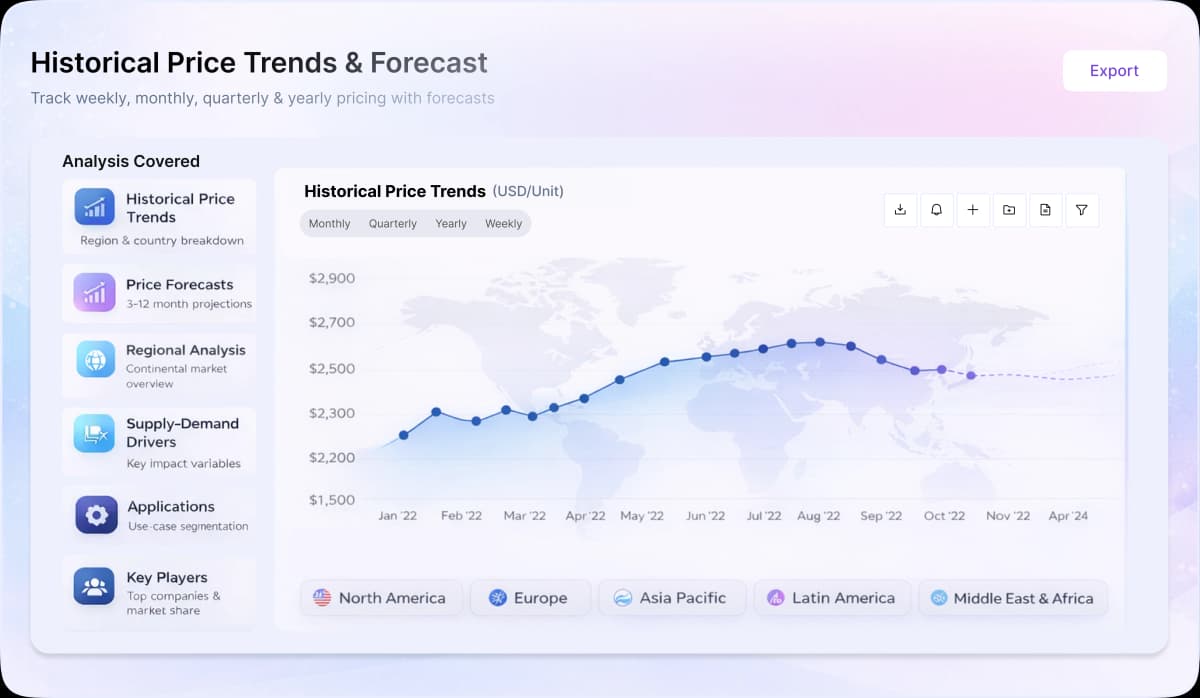
Turn price intelligence into action with the Procurement Resource Database. Log in or subscribe to unlock live price trends, historical charts, supplier databases, cost curves, and analyst-backed insights across chemicals, agriculture, energy, packaging, and more. Use these tools to benchmark your contracts, plan budgets with confidence, and stay ahead of market moves on every product you buy.
0
+Products
0
+Regions
0
+Subscriptions
Asia
In Asia, molybdenum disulfide prices moved steadily upward through the second half of 2024 as supply conditions tightened. China, which accounted for more than half of global molybdenum output, continued to face stricter environmental rules that slowed new permit approvals and raised operating costs. Some Chinese buyers also cut back purchases to avoid high input costs, which caused short-term dips in demand but did not offset the broader supply squeeze. Limited transparency around the economics of Chinese mines further added uncertainty, and with most regional supply coming from aging copper-moly operations, the market remained firm. Overall, reduced availability and ongoing industrial use kept Asian prices on a rising track.
Europe
In Europe, molybdenum disulfide prices also trended higher as the region felt the impact of global supply risks. European buyers relied heavily on imported material, and disruptions in American supply, along with concerns about Chile’s potential production cuts, created a cautious buying environment. At the same time, steady demand from specialty steel and renewable-energy component manufacturers supported the market. With European industries preparing for long-term clean energy investments, the need for high strength alloys remained strong, helping push prices upward even as companies tried to manage higher raw material costs.
North America
In North America, prices strengthened as domestic production stayed constrained. Lower ore grades at copper- molybdenum mines reduced output, and although some idled mines considered restarting due to record high prices, most had not yet returned to full activity. Interest around projects like Thompson Creek increased, but the planned restarts were still years away. With only two major primary molybdenum mines operating in the U.S., buyers continued to rely heavily on byproduct output. As demand from industry and technology manufacturers stayed solid, limited supply supported higher pricing throughout the period.
Molybdenum disulfide belongs to the category of inorganic crystalline salts with low friction coefficient and high thermal stability. It is thus widely used as a lubricant in industrial processes involving frictional wear and tear and extreme temperature conditions. Because of its layered structure, it is also a great dry lubricant and semiconductor material with applications in the automotive, electronics, and aerospace industries.
MoS2
Nuclear industry, Automotive industry, Aerospace, Metal working, Oil and gas industry, Renewable energy production
Huntsman International LLC, Dow , Du Pont Inc, Kronos Lab Sciences Pvt Ltd, Tronox Limited, ISK Industries, The Kerala Minerals & Metal Ltd, Merck KgA
CurrencyUS$ (Data can also be provided in local currency)
Supplier Database AvailabilityYes
Customization ScopeThe report can be customized as per the requirements of the customer
Post-Sale Analyst Support360-degree analyst support after report delivery
Note: Our supplier search experts can assist your procurement teams in compiling and validating a list of suppliers indicating they have products, services, and capabilities that meet your company's needs.
Our Price Analysis Methodology
AVP - Strategy and Solutions
Leading procurement research solutions across chemicals, materials, and food & beverages, with expertise in price forecasting and market analytics.
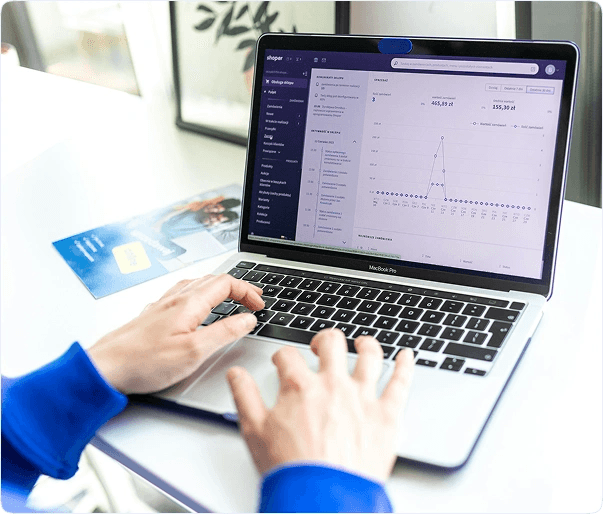
Experience how Procurement Resource transforms raw material price data into clear, decision ready intelligence. Optimise your performance with reliable, expert market data and analysis. Schedule your demo today to experience a live walk-through where our experts will showcase interactive price charts, forecasted prices, and insights driving the prices for your key commodities, tailored to your workflows. Contact us now!
Our Team will be happy to assist you
We are just a text away
Still Need Help?
Unlock full access to Procurement Resource's price databases, interactive charts, and short-term forecasts for thousands of commodities. Elevate your sourcing decisions by comparing prices across regions, downloading historical data, and layering in analyst-backed insights, all with our flexible plans that scale as your portfolio grows.
Still have any Questions
Contact Us



Price Trend Dashboard - What's Included
Price trends across a diverse portfolio of categories and products, spanning board to niche chemicals
Coverage extendable to grade-specific chemicals based on procurement requirements
Regular price tracking supported by robust historical datasets
News, policy updates, and key market drivers impacting price movements
Short-term and long-term price outlooks and forecasts
Supply–demand dynamics and capacity-driven market analysis

Track prices, market movements, supply-demand dynamics, and industry developments across hundreds of commodities through a centralized intelligence platform built for informed procurement decisions.

Understand market fluctuations using analyst-backed forecasts, historical pricing patterns, and evolving industry trends to strengthen sourcing strategies and budget planning.

Leverage cost models, pricing benchmarks, and procurement insights to evaluate purchasing opportunities, improve negotiations, and enhance operational efficiency.
Access region-specific price trends, trade activities, capacity changes, and supply chain developments influencing commodity markets worldwide.