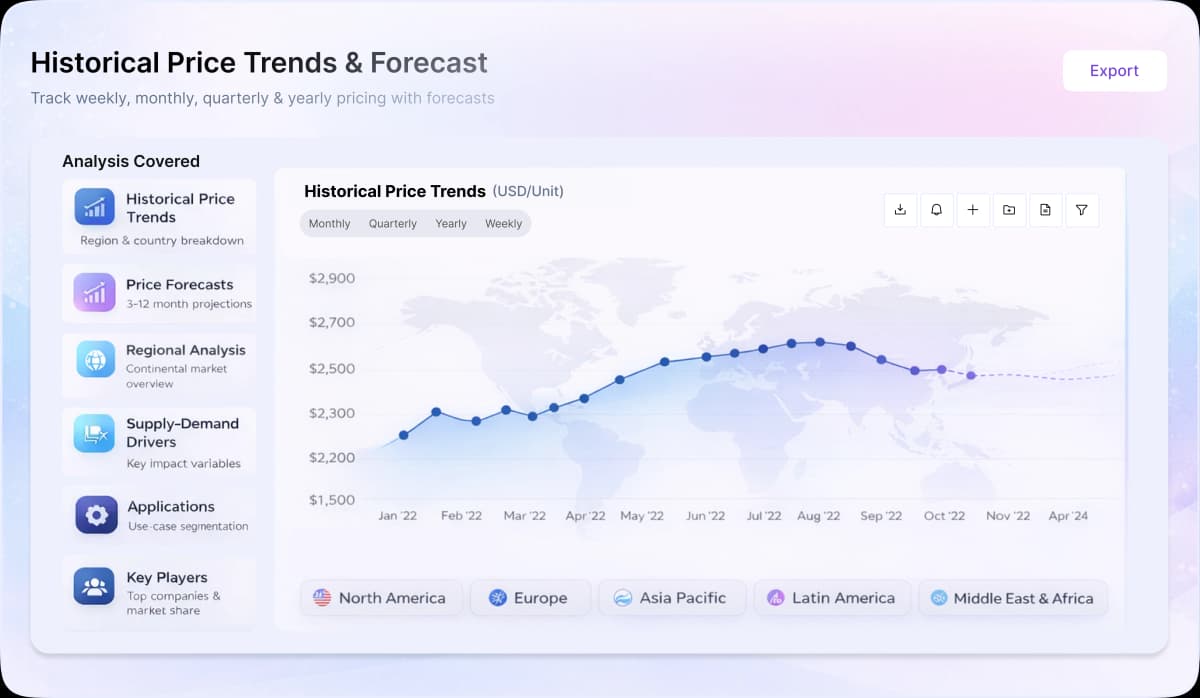
- Global naphthalene prices followed a firm and volatile trend in Q1 2026, with the market strengthening as war-related supply disruption and freight risk increased cost pressure across regions.
- Feedstock conditions tightened sharply as the Iran war disrupted tanker movement, raised insurance and shipping costs, and created an acute supply deficit after the effective closure of the Strait of Hormuz.
- Downstream demand remained restrained by high costs, though buying from phthalic anhydride, construction chemicals, dyes, and related industrial segments continued on an essential basis.
Asia
In Asia, naphthalene prices moved upward during Q1 2026 and largely tracked the broader energy market. The Iran war sharply disrupted normal tanker routes through the Strait of Hormuz, which affected around one-fifth of global oil and LNG flows and tightened regional supply conditions. In India, the impact was stronger because import dependence on the Middle East remained high, with about 40% of crude imports sourced from the region and around 60% of LPG flows linked to Hormuz. Freight charges and tanker insurance rose sharply, forcing refiners to alter sourcing plans, reschedule maintenance, and seek alternate cargoes. These disruptions supported naphthalene prices despite cautious downstream buying. In China, supply pressure also increased as Asian refiners faced shortages and elevated landed costs, which supported the market even as buyers remained selective.
Europe
In Europe, naphthalene prices also rose in Q1 2026 as buyers competed for reduced cargo availability after Gulf exports were disrupted. Higher freight and insurance costs pushed landed costs upward, while limited imports and a stronger dollar added further pressure. European buyers responded by diversifying sourcing and securing longer-term contracts, which kept the market firm. Demand from construction-linked chemicals and industrial applications remained moderate, but high replacement costs prevented any meaningful decline.
North America
In North America, naphthalene prices strengthened through the quarter, supported by higher import risk premiums and elevated freight costs linked to the Iran war. Strategic inventories and domestic production adjustments reduced the severity of the shock, but market sentiment remained firm because global trade disruption continued to affect replacement costs. Demand stayed controlled, with buyers focusing on short-term requirements amid persistent volatility.