

Udeesha Tomar
AVP - Strategy and Solutions
Leading procurement research solutions across chemicals, materials, and food & beverages, with expertise in price forecasting and market analytics.

The plasterboard liner price graph experienced slight downward pressure in the second half of 2025, an outcome of the general decline in construction sector performance. Overall demand for this type of liner remained low, with new construction output in various key European markets remaining subdued. Weak construction sector performance in economies such as France and Germany weighed on plasterboard production schedules, which in turn reduced demand for liner inputs. The muted pace of project starts and continued caution among developers kept consumption below levels that would have supported firmer pricing. On the supply side, there was careful management of supply in response to the general low demand. Input cost pressures, including energy and fibre costs, continued to affect production economics throughout the period. Overall, plasterboard liner prices remained muted, reflecting the sluggish pace of construction activity across key European markets and the cautious buying stance maintained by downstream plasterboard producers throughout the period.
Analyst Insight
According to Procurement Resource, plasterboard liner demand is expected to recover gradually as construction activity picks up across Europe, particularly in the residential segment.
Need Latest Plasterboard Liner Prices?
Get real-time price assessments, periodic trends, forecasts and price driver insights across key global markets.
Our Clients































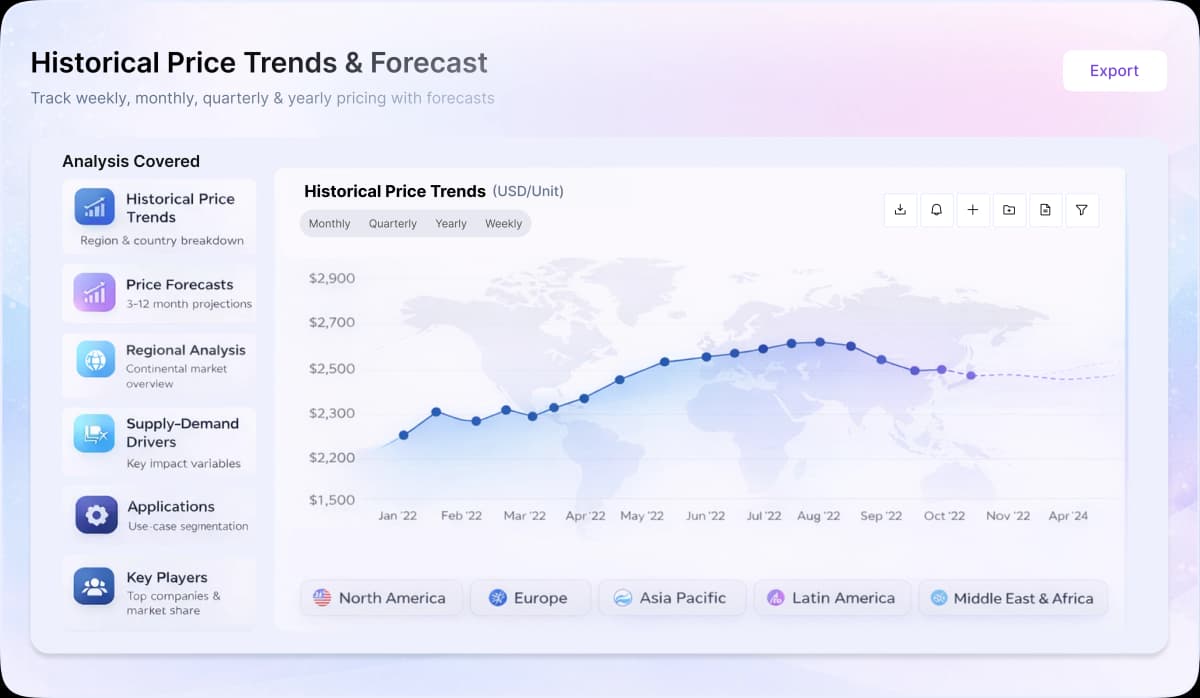
Turn price intelligence into action with the Procurement Resource Database. Log in or subscribe to unlock live price trends, historical charts, supplier databases, cost curves, and analyst-backed insights across chemicals, agriculture, energy, packaging, and more. Use these tools to benchmark your contracts, plan budgets with confidence, and stay ahead of market moves on every product you buy.
0
+Products
0
+Regions
0
+Subscriptions
The global plasterboard liner market exhibited a firm to mixed trend during H1 of 2025, driven largely by rising input costs and evolving supply dynamics rather than strong demand growth. In Asia, particularly India, depreciation of local currencies and sustained increases in pulp, wood, and woodchip costs significantly elevated production expenses for paper-based liner materials, prompting manufacturers to implement price hikes to protect margins. However, expanding production capacities in countries such as China and Indonesia intensified regional competition, limiting the extent of upward movement and creating a balanced yet pressured pricing environment. In North America, the market remained firm despite subdued construction and housing demand, as supply-side constraints played a more dominant role. Anticipated mill closures, reduced operating rates, and ongoing industry consolidation tightened availability, enabling producers to maintain higher price levels. Additionally, reliance on imports, particularly from Canada, and uncertainties around tariff policies further influenced market sentiment. Overall, the market reflected a cost driven firmness with underlying demand remaining moderate and uneven across regions.
Plasterboard liner is a specialized material designed to enhance the strength and durability of plasterboard and drywall systems. It serves as a protective backing that provides a smooth, stable surface for plaster or drywall to adhere to, ensuring better adhesion and performance. Typically used in construction, plasterboard liners are available in different types, including moisture-resistant and fire-rated versions, offering versatility for various building requirements.
SCG Packaging, WEIG-Karton, DS Smith plc, Hamburger Containerboard, Yoshino Gypsum
CurrencyUS$ (Data can also be provided in local currency)
Supplier Database AvailabilityYes
Customization ScopeThe report can be customized as per the requirements of the customer
Post-Sale Analyst Support360-degree analyst support after report delivery
Note: Our supplier search experts can assist your procurement teams in compiling and validating a list of suppliers indicating they have products, services, and capabilities that meet your company's needs.
Plasterboard liner is commonly used in industrial applications to provide structural support and improve the durability of walls and ceilings. It is widely used in commercial and industrial construction projects, including warehouses, factories, and office buildings. The liner enhances fire resistance, sound insulation, and moisture control in environments that require high-performance materials. It is also utilized in partition walls, cladding systems, and areas exposed to harsh conditions, contributing to the overall stability and longevity of industrial buildings.
Our Price Analysis Methodology
AVP - Strategy and Solutions
Leading procurement research solutions across chemicals, materials, and food & beverages, with expertise in price forecasting and market analytics.
Experience how Procurement Resource transforms raw material price data into clear, decision ready intelligence. Optimise your performance with reliable, expert market data and analysis. Schedule your demo today to experience a live walk-through where our experts will showcase interactive price charts, forecasted prices, and insights driving the prices for your key commodities, tailored to your workflows. Contact us now!
Our Team will be happy to assist you
We are just a text away
Still Need Help?
The Study Offers a Detailed Cost Analysis of Linerboard Production From Softwood Trees. In Addition, the Report Incorporates the Manufacturing Process With Detailed Process and Material Flow, Operating Costs Along With Financial Expenses and Depreciation Charges.
Synthetic Gypsum Manufacturing Plant Project Report by Procurement Resource thoroughly focuses on every detail that encompasses the cost of manufacturing. Our extensive cost model meticulously covers breaking down Synthetic Gypsum plant capital cost around raw materials, labour, technology, and manufacturing expenses. This enables precise cost structure optimization and helps in identifying effective strategies to reduce the overall Synthetic Gypsum manufacturing plant cost and the cash cost of manufacturing.
Unlock full access to Procurement Resource's price databases, interactive charts, and short-term forecasts for thousands of commodities. Elevate your sourcing decisions by comparing prices across regions, downloading historical data, and layering in analyst-backed insights, all with our flexible plans that scale as your portfolio grows.
Still have any Questions
Contact Us



Price Trend Dashboard - What's Included
Price trends across a diverse portfolio of categories and products, spanning board to niche chemicals
Coverage extendable to grade-specific chemicals based on procurement requirements
Regular price tracking supported by robust historical datasets
News, policy updates, and key market drivers impacting price movements
Short-term and long-term price outlooks and forecasts
Supply–demand dynamics and capacity-driven market analysis

Track prices, market movements, supply-demand dynamics, and industry developments across hundreds of commodities through a centralized intelligence platform built for informed procurement decisions.

Understand market fluctuations using analyst-backed forecasts, historical pricing patterns, and evolving industry trends to strengthen sourcing strategies and budget planning.

Leverage cost models, pricing benchmarks, and procurement insights to evaluate purchasing opportunities, improve negotiations, and enhance operational efficiency.
Access region-specific price trends, trade activities, capacity changes, and supply chain developments influencing commodity markets worldwide.
