

Udeesha Tomar
AVP - Strategy and Solutions
Leading procurement research solutions across chemicals, materials, and food & beverages, with expertise in price forecasting and market analytics.

Asia
In Asia, TBA prices mostly moved downward during Q4’25. The market had plenty of supply as factories continued production and inventories were generally high. Buyers were cautious and purchased only what they needed, mostly for immediate use. Early in the quarter, prices dropped gradually as suppliers reduced selling prices to clear stocks. Mid-quarter, the market remained weak with light trading and limited inquiries. By the end of the quarter, prices started to stabilize slightly as supply pressure eased and some buyers returned to the market. Overall, the Asian TBA market saw a slow and soft trend due to weak demand and steady supply.
Europe
In Europe, TBA prices were mostly stable but slightly weak in Q4’25. Supply was generally sufficient, and producers carefully managed their inventories. Downstream industries, including chemicals and solvents, were cautious in purchasing, which kept demand limited. Energy costs and production challenges added some pressure on sellers, but imports and available stocks prevented strong price increases. Trading activity was moderate, and buyers preferred short-term purchases rather than long-term contracts. Overall, the European market showed a balanced trend with slight downward pressure on prices.
North America
In North America, TBA prices were somewhat firm compared to Asia and Europe. Supply was controlled because producers avoided overstocking, and inventories were managed carefully. Demand from industrial and chemical applications remained steady, supporting the market. Export activity was stable, and buyers showed moderate interest, which helped prevent sharp price declines. While the market did not see strong gains, it performed better than other regions, with trading activity being more consistent.
Analyst Insight
According to Procurement Resource, Tertiary Butyl Alcohol (TBA) prices are expected to stay mostly stable with a slight upward potential if supply tightens or demand improves. Buyers and sellers will likely watch supply and demand closely for any sudden changes.
Related Report
Need Latest Tertiary Butyl Alcohol Prices?
Get real-time price assessments, periodic trends, forecasts and price driver insights across key global markets.
Our Clients































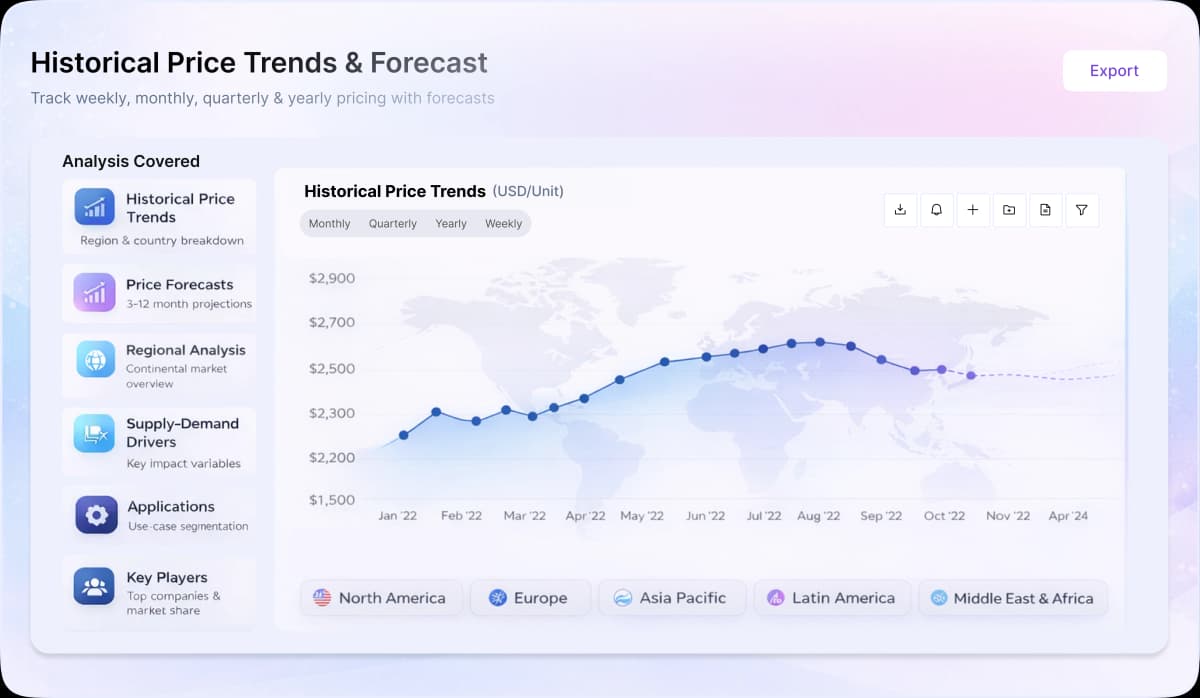
Turn price intelligence into action with the Procurement Resource Database. Log in or subscribe to unlock live price trends, historical charts, supplier databases, cost curves, and analyst-backed insights across chemicals, agriculture, energy, packaging, and more. Use these tools to benchmark your contracts, plan budgets with confidence, and stay ahead of market moves on every product you buy.
0
+Products
0
+Regions
0
+Subscriptions
Asia
In Asia, Tertiary Butyl Alcohol (TBA) prices moved lower throughout Q3’25, mainly because of weak demand and high feedstock availability. The fall in n-butanol and butane prices affected the production costs.
Industries that use TBA for manufacturing solvents and fuel additives purchased cautiously, as slower economic activity in China and other regional markets reduced overall consumption. The petrochemical sector also faced pressure from environmental policies and growing renewable energy use, which limited buying interest.
With imports from Saudi Arabia and Taiwan already under scrutiny due to the anti-dumping probe, buyers turned cautious, further reducing trade volumes. Overall, Asia’s TBA market stayed bearish, with sellers competing in a market that had more supply than demand.
Europe
In Europe, TBA prices also declined during the quarter as weak downstream demand and high inventories weighed on market sentiment. The slowdown in paints, coatings, and plasticizer applications, along with reduced feedstock costs, left producers with little room to lift prices. European chemical manufacturers operated at lower run rates, and import competition stayed strong, despite regional producers attempting to stabilize margins. The surplus of butane and sluggish cracker operations further weakened TBA’s demand base. Though a slight uptick in buying activity appeared toward the end of Q3, it was not enough to reverse the downward trend. The market remained oversupplied, reflecting a fragile balance between production and consumption.
North America
In North America, TBA prices followed a similar downward path. Ample butane and isobutane supply, combined with slow demand from gasoline blending and industrial sectors, pressured values throughout the quarter. The petrochemical industry showed limited appetite for additional volumes, as high inventories and stable refinery operations kept the market well-supplied. Exports did not provide much relief either, since international demand remained muted. Producers faced narrow margins, and sentiment across the region stayed weak.
Tertiary butyl alcohol (TBA), also known as 2-methyl-2-propanol, is an organic compound with the molecular formula (CH3)3COH. It is a clear, colorless liquid with a characteristic alcohol odor. TBA is a tertiary alcohol, meaning the hydroxyl group is attached to a tertiary carbon atom. It finds various applications in industrial processes, such as a solvent for resins, gums, and waxes, and as an additive in gasoline to enhance octane levels.
C4H10O
Solvents, Chemical intermediates, Polymers, Gasoline additive, Pharmaceuticals
t-Butyl Alcohol, tert-Butanol, 2-Methyl-2-propanol, 2-Methylpropan-2-ol
Lyondell Basell Industries N.V., Evonik Industries AG, ZiBo Haizheng Chemical Co Ltd, Lotte Chemical Titan Holding Berhad, Wanhua Chemical Group Co Ltd
CurrencyUS$ (Data can also be provided in local currency)
Supplier Database AvailabilityYes
Customization ScopeThe report can be customized as per the requirements of the customer
Post-Sale Analyst Support360-degree analyst support after report delivery
Note: Our supplier search experts can assist your procurement teams in compiling and validating a list of suppliers indicating they have products, services, and capabilities that meet your company's needs.
This procedure involves oxidation of Methyl Tertiary Butyl Ether and its subsequent hydronation to produce tertiary butyl alcohol.
Our Price Analysis Methodology
AVP - Strategy and Solutions
Leading procurement research solutions across chemicals, materials, and food & beverages, with expertise in price forecasting and market analytics.
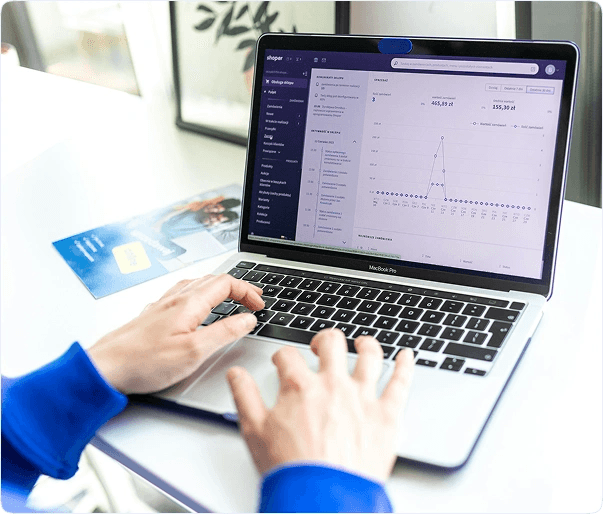
Experience how Procurement Resource transforms raw material price data into clear, decision ready intelligence. Optimise your performance with reliable, expert market data and analysis. Schedule your demo today to experience a live walk-through where our experts will showcase interactive price charts, forecasted prices, and insights driving the prices for your key commodities, tailored to your workflows. Contact us now!
Our Team will be happy to assist you
We are just a text away
Still Need Help?
Unlock full access to Procurement Resource's price databases, interactive charts, and short-term forecasts for thousands of commodities. Elevate your sourcing decisions by comparing prices across regions, downloading historical data, and layering in analyst-backed insights, all with our flexible plans that scale as your portfolio grows.
Still have any Questions
Contact Us



Price Trend Dashboard - What's Included
Price trends across a diverse portfolio of categories and products, spanning board to niche chemicals
Coverage extendable to grade-specific chemicals based on procurement requirements
Regular price tracking supported by robust historical datasets
News, policy updates, and key market drivers impacting price movements
Short-term and long-term price outlooks and forecasts
Supply–demand dynamics and capacity-driven market analysis

Track prices, market movements, supply-demand dynamics, and industry developments across hundreds of commodities through a centralized intelligence platform built for informed procurement decisions.

Understand market fluctuations using analyst-backed forecasts, historical pricing patterns, and evolving industry trends to strengthen sourcing strategies and budget planning.

Leverage cost models, pricing benchmarks, and procurement insights to evaluate purchasing opportunities, improve negotiations, and enhance operational efficiency.
Access region-specific price trends, trade activities, capacity changes, and supply chain developments influencing commodity markets worldwide.