Asia
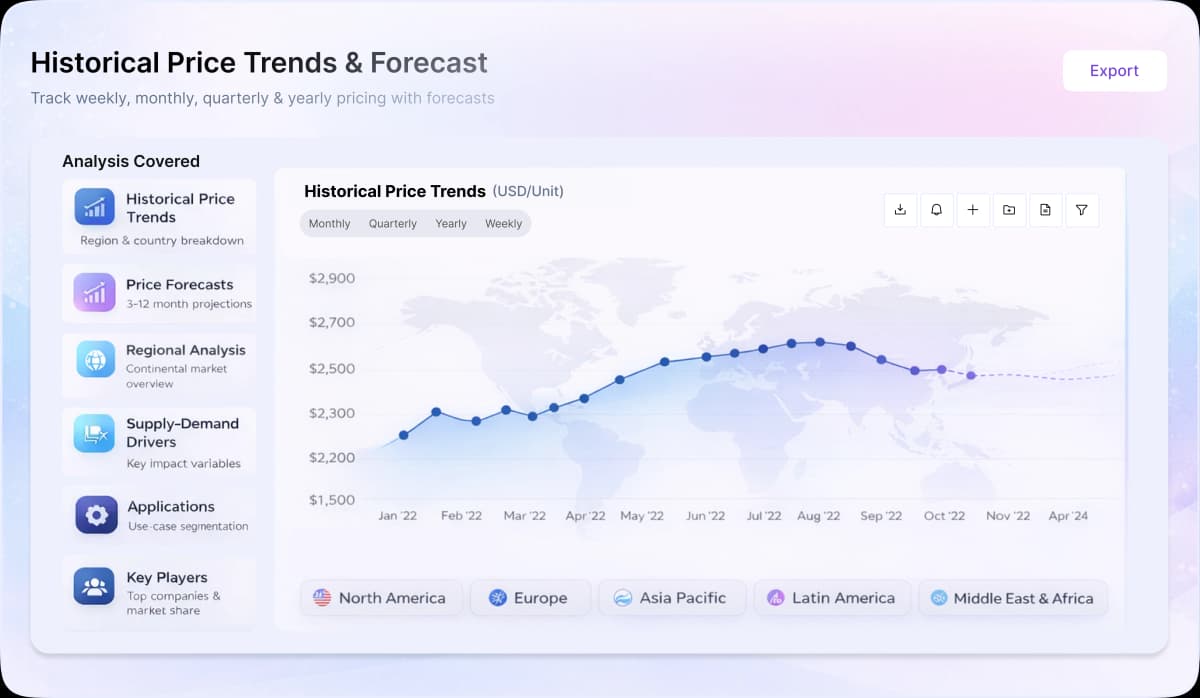
In Asia, zinc chloride prices followed a generally soft to stable trend during Q4’25. The region faced weak demand from downstream sectors such as steel processing, chemicals, and surface treatment, which limited consumption growth. Zinc availability remained comfortable due to steady output, while chlorine supply stayed ample as production costs remained low. Falling activity in Asian steel plants reduced the need for zinc chloride in pickling and metal treatment applications. Buyers stayed cautious and preferred short-term procurement instead of long-term commitments. Trade concerns and slower industrial activity further reduced buying interest. As a result, zinc chloride prices in Asia lacked strong support and exhibited a bearish trend.
Europe
In Europe, zinc chloride prices remained under pressure during Q4’25 due to weak industrial demand and high supply levels. The slowdown in steel production reduced chlorine-based chemical consumption, which indirectly affected zinc chloride demand. At the same time, energy costs and regulatory pressure continued to weigh on the European chemical sector, leading to aggressive competition among producers. Several chemical producers focused on clearing inventories rather than pushing for higher margins. Thin year-end trading volumes also amplified short-term price softness. Overall, Europe saw zinc chloride prices remain weak and highly competitive during the quarter.
North America
In North America, zinc chloride prices showed mild weakness but were relatively more stable compared to Europe and Asia. Demand from infrastructure, water treatment, and industrial cleaning stayed steady but did not improve significantly. Chlorine availability remained sufficient due to lower feedstock costs, while zinc supply concerns eased as global inventories improved. Buyers avoided bulk stocking and focused on need-based purchases. Market sentiment stayed cautious, with pricing influenced more by downstream demand trends than supply shortages.