Procurement Resource Logo
    • Complexity Reduction Tool
    • Digital Should Cost Model
    • Procure 360
    • Sourcing Compass
    • Spend Analytics
    • Sustainability Tracker
    • Pricing Dashboard
  • Industries
    • Agriculture & Farming Commodities
    • Chemicals
    • Energy, Metals and Minerals
    • Flavours and Fragrances
    • Food and Beverages
    • Healthcare
    • Machinery, Electronics and Durables
    • Operating Costs, Logistics and Utilities
    • Packaging
  • Services
    • Category Compass
    • Commodity Compass
    • Supplier Compass
    • Data Analytics & Automation
    • Digital Solutions
    • Blogs
    • News & Articles
    • Newsletter
    • Manufacturing Plant Project Report3000+
    • Production Cost Report2000+
    • Price Trends1000+
Social Media Icon of linkedinCall Support IconSearch Icon
Login

Newsletter

Get Latest News About Procurement Resource Subscribe for News

Procurement

Industries

  • Agriculture & Farming Commodities
  • Chemicals
  • Energy, Metals and Minerals
  • Flavours and Fragrances
  • View All

Services

  • Category Compass
  • Commodity Compass
  • Supplier Compass
  • Data Analytics & Automation
  • Digital Solutions
  • View All

Useful Links

  • Testimonial
  • Press Releases
  • About Us
  • Careers
  • Who We Are
  • Term Of Use
  • Contact Us

Solutions

  • How We Work
  • Tail Spend Management
  • Full Time Engagement
  • Custom Research
  • Subscriptions
  • Resource Center
  • Return/Refund Policy
Copyright © 2026 Procurement Resource. All rights reserved.
  • Social Media icon Twitter i.e X
  • Social Media icon instagram i.e insta
  • Social Media icon linkedin i.e in
  • Social Media icon facebook i.e fb

News and Articles

  1. Home/
  2. News and Articles/
  3. China Purchased the Majority of Its Iron Ore from Australia and Brazil, While Imports from India Increased by About 90 Percent

China Purchased the Majority of Its Iron Ore from Australia and Brazil, While Imports from India Increased by About 90 Percent

Blog Detail Image
Jan 20, 2022
˜ Veronica Khanna

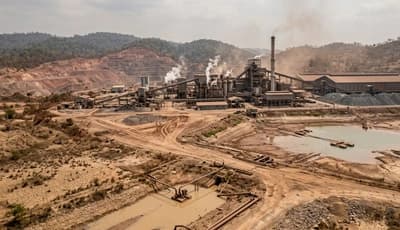
China has an insatiable need for iron ore, but its relationship with one of its leading suppliers, Australia, has been strained due to the political repercussions of the COVID-19 outbreak. It has been studied that China has invested in other countries to satisfy this need and how this may affect the global iron ore market. According to figures released by China's General Administration of Customs on Wednesday, Australian shipments increased by 7 percent to 713 million tonnes, while Brazilian shipments increased by 3.5 percent to 235.7 million tonnes. Tang Chuanlin, an analyst at CITIC Securities, stated that Mills had to acquire from other nations since the two countries' rise could not fully fulfil China's demand.

With about 60 percent of China's iron ore imports come from Australian mines, Australia is the primary feed source for China's steel mills. However, the iron ore and steel industries are concerned about the growing tensions between the two nations, with concerns over the future of the China-Australia iron ore trade. Since the commencement of the COVID-19 pandemic in early 2020, relations between Canberra and Beijing have been strained, with Australian politicians demanding an independent probe into the virus's origins and China's first handling of the outbreak in Wuhan.

Brazil, China's other leading supplier, has been dealing with COVID-19 infections in its mining sector, as well as high-profile mining accidents that have harmed industry trust in recent years. Australia could theoretically inflict a severe blow to China by withholding the iron ore it desires, thereby hastening a settlement to the tensions.

In 2020, the world's two largest iron ore producers, Australia, and Brazil, were China's leading suppliers. Still, imports from India increased by 88 percent as Chinese mills sought to diversify their sources despite sky-high raw material costs. Last year, the world's leading steel manufacturer bought 44.8 million tonnes of iron ore from India, up from 23.8 million tonnes in 2019 and the highest level in nine years. In 2020, China produced a record 1.05 billion tonnes of crude steel, with demand driven by Beijing's infrastructure stimulus. As per the official data, India, the world's third-largest steelmaker, saw a 12.6 percent drop in nine months through December compared to the same time a year ago, leaving more iron ore to sell to Chinese purchasers.

Tang also mentioned that Chinese steelmakers were utilising more low-grade ore, similar to that found in India, in an effort to cut costs. According to the Indian mining sector estimates, over two-thirds of India's iron ore shipments to China had less than 58 percent iron content.

The purchases will last through March due to strong Chinese demand, according to B.K. Bhatia, joint secretary-general of the Federation of Indian Mineral Industries, the country's largest mining advocacy organisation. Bhatia predicted that Chinese purchases would continue through March but forecasting demand would be challenging beyond that point. SteelHome consultancy notified that the spot prices for iron ore with 62 percent iron content for delivery to China increased by 73 percent in 2020, while 58 percent of iron ore prices increased by 91 percent.

Recent News & Articles

June 30 Commerce Department Tariff Update Will Define Copper Market Direction Through Q3 2026
China Holds Dominant Benzoic Acid Production Share but Tariff Exposure Is Forcing North American Procurement Diversification
UAW Strike at American Axle Adds Caution to US Ferrous Scrap Procurement as June Trade Opens
China Infrastructure Stimulus Drives Sodium Gluconate Price Recovery in 2026 From Multi-Quarter Lows
Paints and Coatings Drive 40 Percent of Global Butyl Glycol Demand as BASF Dow and Eastman Lead Supply in 2026

Tags

#Commodity Prices
#Commodity Prices
#Commodities
#Commodities
#Industrial News
#Industrial News
#Gold
#Gold
#Chemicals
#Chemicals
#Outlook for Potassium Carbonate
#US Steel Scrap Prices
#USDA Milk Forecast
#USDA Milk Forecast
#Cheese Prices
#Cheese Prices
#Agriculture Raised
#Agriculture Raised
  • Access independent price trends and market intelligence for thousands of raw materials.
  • Request customised production cost and prefeasibility reports for specific plants or locations.
  • Explore subscription dashboards for continuous tracking of prices, indices, and news.
  • Commission bespoke research on categories, suppliers, or trade flows tailored to your brief.

Our Team will be happy to assist you

We are Just a Text away

+1

Read other news in this category

June 30 Commerce Department Tariff Update Will Define Copper Market Direction Through Q3 2026
UAW Strike at American Axle Adds Caution to US Ferrous Scrap Procurement as June Trade Opens
Zinc Sulfate Procurement Tightens as Zinc Rally Raises Supplier Offers
Stainless Steel Procurement Faces New Customs Checks Under Section 232
Silver Prices Fall 2.6% as India Imposes Import Licensing and Hikes Silver Import Duties from 6% to 15%