- Heavy rainfall damaged newly formed coffee berries.
- Early fruit losses can reduce eventual harvest volumes.
- The reported damage does not establish a region-wide shortage.
- Buyers should seek crop updates directly from suppliers.
- Alternative origins can reduce exposure to localized weather damage.
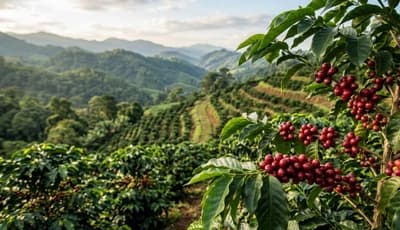
Heavy rainfall has damaged newly formed coffee berries at farms in Wayanad, providing buyers with an early warning about weather-related crop risk before harvesting begins. Persistent rain soaked young berries after flowering, damaging part of the developing crop and reducing expectations for affected growers.
Damage at the early fruit-development stage matters because lost berries cannot be recovered later through harvesting or processing. A coffee tree can remain healthy but still produce a smaller crop when flowers or young fruit are damaged. Extended rainfall can also produce uneven development, making later harvesting more difficult.
The reported losses should not be treated as evidence of a region-wide shortage. Conditions can vary sharply between farms depending on elevation, drainage, rainfall intensity, crop variety and farm-management practices. Procurement teams sourcing from the area should obtain supplier-level crop information before changing purchasing volumes.
Growers using mixed cropping may have more financial protection when coffee production falls. Other crops can provide income when coffee yields are damaged, reducing the farmer's dependence on a single harvest. This can help maintain farm operations, though it does not replace coffee volume lost through adverse weather.
Request the Latest Coffee Prices Data - Access Price Insights Now
Buyers should increase communication with estates, cooperatives and exporters during crop development. Updates covering fruit set, rainfall damage and expected harvesting schedules can provide a better indication of supply than broad regional assumptions.
Quality requirements should also remain unchanged. Reduced availability can create pressure to accept coffee outside normal specifications, but moisture, defects, bean size and cup characteristics still affect roasting performance and final-product consistency. Approving several suppliers before the procurement period tightens gives buyers more room to maintain quality.
Origin diversification can provide further protection. Roasters dependent on a narrow producing area may qualify comparable coffee from other districts or countries, though flavour differences mean substitutions should undergo sensory testing before they enter established blends.
Weather volatility is becoming a more frequent purchasing variable for agricultural commodities. Coffee procurement teams that monitor farm conditions early can make measured decisions rather than reacting after harvest volumes are confirmed.
The current damage reinforces the value of farm-level reporting, alternative origins and disciplined quality checks. Buyers should watch whether crop losses remain localized or spread across a larger share of Wayanad's coffee-producing area.