- Diethylene glycol supply tightened during June maintenance
- Large EG and DEG units in China entered shutdown periods
- East China port inventory stayed limited
- Zhangjiagang had no scheduled DEG arrivals for June 9 to June 15
- Buyers should cover prompt needs but avoid heavy forward buying
China’s diethylene glycol market stayed firm in June as maintenance at several production units reduced domestic availability and kept prompt cargoes in focus. The supply squeeze affected buyers in unsaturated resins, polyester-related applications, plasticizers and other chemical outlets that depend on regular feedstock replenishment.
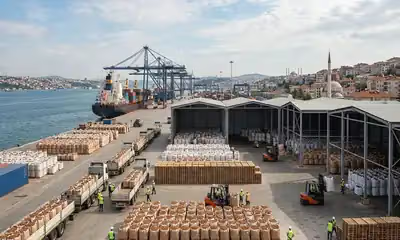
Several ethylene glycol and diethylene glycol units entered maintenance during the period. The shutdown list included large capacity in Hainan, Zhejiang and Wuhan, reducing near-term domestic output. At the same time, East China port inventories were limited, and no diethylene glycol arrivals were scheduled at Zhangjiagang for the June 9 to June 15 period. This made available spot cargo more valuable, even as downstream demand was not strong.
The market did not rise because demand was booming. Downstream polyester and unsaturated resin operating rates remained low, and many buyers continued to purchase only for immediate needs. The tension came from tight supply meeting thin inventories. When buyers carry low raw material stock, even weak demand can still support prices if fresh cargoes are limited.
Request the Latest Diethylene Glycol Prices Data - Access Price Insights Now
For procurement teams, the message is to separate prompt risk from longer-term price direction. Buyers with immediate production schedules need enough material to avoid disruption, but large forward buying may carry risk if downstream orders stay soft or plant maintenance ends on schedule.
The current market favors staged purchasing. Buyers should cover nearby requirements, keep contact with port suppliers and review arrival schedules before delaying replenishment. Resin producers with low inventory may need to lock short-term volumes, while buyers with storage and supplier flexibility can wait for more clarity on operating rates and cargo arrivals.
Contract buyers should also revisit delivery clauses. If supplier allocation tightens, confirmed delivery dates and penalty terms become more useful than small headline discounts. The most exposed buyers are those with narrow supplier lists and low safety stock, since they have less room to react if spot availability tightens further.