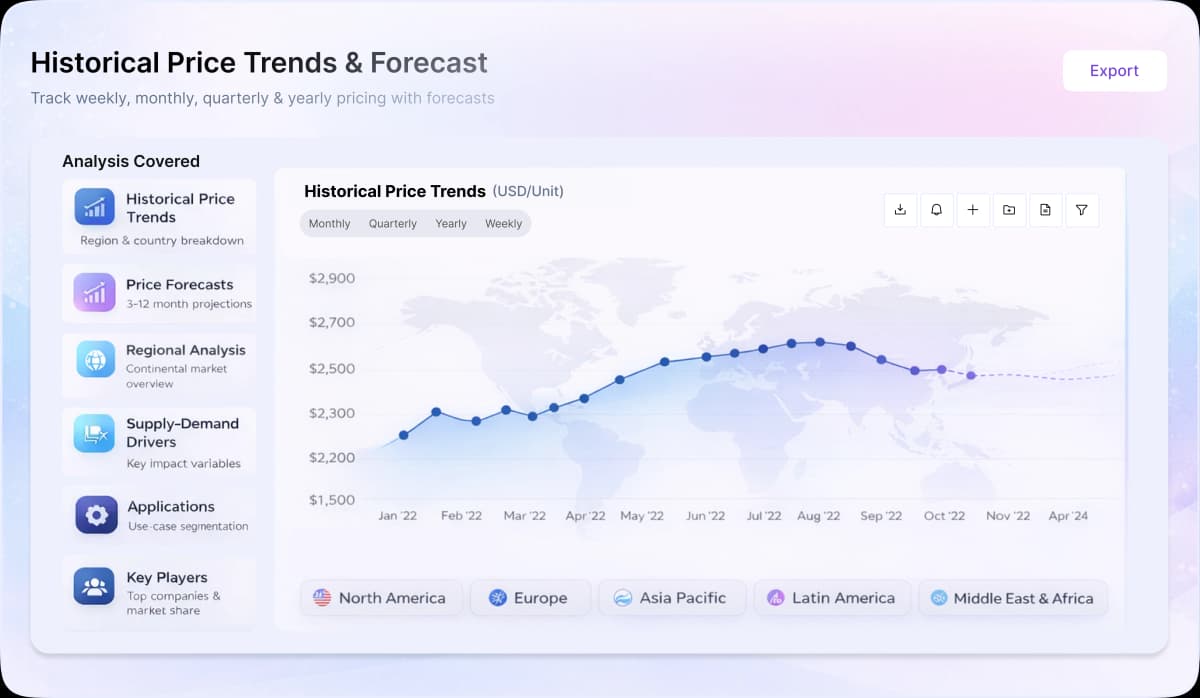
- Global Diethylene Glycol prices followed a mixed-to-firm trend during Q1’26 as tightening Asian supply and elevated energy-related production costs offset weaker demand conditions in Western markets.
- Feedstock pressure remained significant as ethylene market sentiment strengthened due to geopolitical disruptions, while concerns over nearly 20% of global oil and LNG flows through the Strait of Hormuz increased freight, utility, and manufacturing costs.
- Downstream demand from polyester resins, antifreeze, solvents, plasticizers, and construction-related applications remained uneven, with Asia showing firmer import demand while Europe and North America continued facing weaker derivative consumption.
Asia
In Asia, Diethylene Glycol prices strengthened during Q1’26 as tighter regional olefin supply and elevated import dependence supported market sentiment. Reduced operating rates at steam crackers and ongoing capacity rationalization in Japan and South Korea constrained spot availability and increased competition for imported cargoes. In India, ethylene-linked pricing rose by around 5.16% between February and March, supported by constrained regional supply and stronger import reliance. Geopolitical risks further intensified as concerns over disruptions to nearly 20% of global oil and LNG flows through the Strait of Hormuz increased upstream production and transportation costs across the regional glycol market.
Europe
In Europe, Diethylene Glycol prices remained subdued-to-stable during Q1’26 as weak downstream industrial activity and structural oversupply limited stronger market recovery. Low cracker operating rates and continued imports of olefins and derivatives pressured regional producers, while inflationary conditions and slow manufacturing activity reduced consumption from resins, coatings, and construction sectors. However, elevated logistics and energy costs linked to the Iran conflict and disruptions around the Strait of Hormuz prevented sharper price declines by increasing replacement and operating expenses for import-dependent buyers.
North America
In North America, Diethylene Glycol prices remained relatively stable as oversupply and cautious downstream procurement offset upstream cost pressure. Higher natural gas and feedstock costs linked to stronger global energy demand and new cracker startups compressed producer margins and supported regional pricing sentiment. Although derivative demand from polyester, automotive fluids, and industrial applications remained moderate, elevated freight and energy-market volatility tied to Middle East tensions prevented significant downside movement in the market during Q1’26.