- Spot gold fell to around USD 4,696 per ounce on 13 May, about 16 percent below the late-January record of USD 5,589.
- US April CPI rose 3.8 percent year on year, the highest reading since May 2023, while producer prices posted their biggest monthly gain since early 2022.
- Around 95.8 percent of market participants now expect the Federal Reserve to hold rates at 3.50 to 3.75 percent in June, with rate cuts fully priced out for 2026.
- US 10-year Treasury yields rose near their highest level since July, lifting the opportunity cost of holding non-yielding assets.
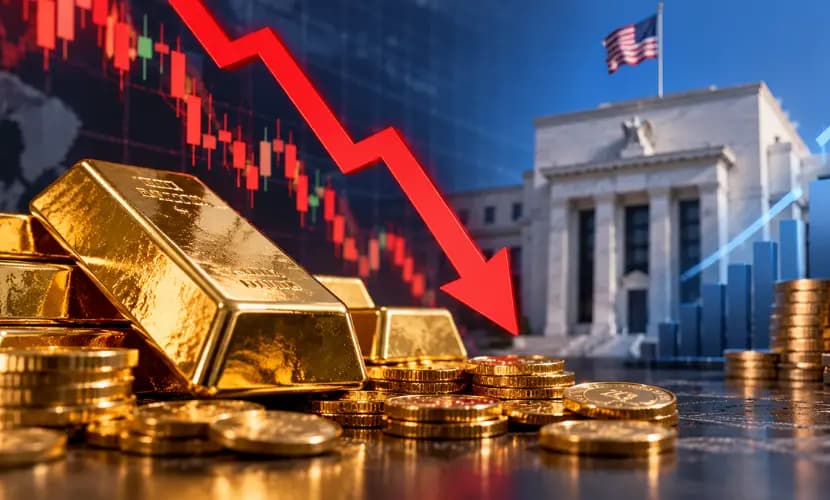
Gold prices slipped below USD 4,700 per troy ounce in the second week of May after two consecutive losing sessions, as a stronger than expected pickup in United States inflation forced investors to abandon expectations of monetary easing for the rest of 2026. Spot gold was trading at around USD 4,696 per ounce by 13 May, down roughly 0.4 percent on the day, while June futures held marginally higher at about USD 4,705. The metal is still up close to 47 percent year on year, but is now about 16 percent below the historical peak of USD 5,589 set on 28 January.
The trigger for the latest pullback was the April Consumer Price Index print, which showed annual inflation accelerating to 3.8 percent against a market consensus of 3.7 percent. That marked the strongest reading since May 2023 and was followed a day later by an even more surprising producer price report, with wholesale inflation climbing at its fastest monthly pace since early 2022. Both releases reflected the pass-through of higher energy and freight transportation costs tied to the ongoing Iran-related conflict and the effective closure of the Strait of Hormuz, which has kept crude above USD 100 per barrel.
Request the Latest Gold Price Data - Get Your Free Sample Report
Rates markets reacted sharply. According to CME Group's FedWatch tool, around 95.8 percent of participants now expect the Federal Reserve to hold policy at 3.50 to 3.75 percent at its June meeting, and traders have fully priced out any rate cut for the remainder of the year. A growing minority is pricing in the possibility of a rate hike before year-end. Ten-year Treasury yields rose toward their highest level since July, mechanically pressuring a non-yielding asset like gold. A firmer United States dollar added another layer of headwinds, since dollar strength makes bullion more expensive for buyers using other currencies.
Despite the correction, structural support remains intact. Energy prices are running about 17.9 percent higher year on year, real average hourly wages turned negative in April for the first time since April 2023, and the April CPI sits at nearly double the Federal Reserve's 2 percent target. Central bank net buying of 244 tonnes in the first quarter and bar and coin demand at the second-highest quarterly level on record suggest that physical buyers continue to absorb dips. Markets are also watching the imminent visit of the United States president to China for any read on the fragile trade truce and the trajectory of the Iran conflict, both of which could quickly reverse the current down move and change the procurement playbook for refiners, jewellery exporters and bullion banks heading into the second half of the year.



.webp&w=1080&q=75)