Udeesha Tomar
AVP - Strategy and Solutions
Leading procurement research solutions across chemicals, materials, and food & beverages, with expertise in price forecasting and market analytics.

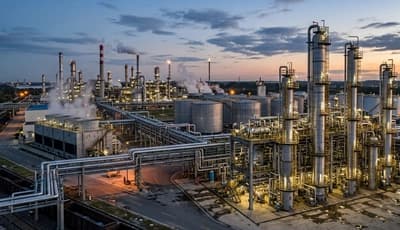
Tensions in the Middle East sent ripples through India’s natural gas supply chain after state-run gas marketer GAIL began assessing cuts to customers following supply disruptions from Petronet LNG. The disruption stemmed from a force majeure notice issued by Petronet LNG after its cargo movements were affected by escalating conflict in the Gulf region. The situation has raised concerns for India’s gas-dependent industries at a time when the country relies heavily on imported liquefied natural gas.
Petronet LNG, India’s largest importer of LNG, informed buyers that vessel movement had been disrupted as tankers struggled to reach Qatar’s Ras Laffan loading terminal. The disruption followed rising hostilities linked to the widening confrontation involving Iran, the United States, and Israel. Several ships operating near the Strait of Hormuz were reportedly struck, bringing traffic through one of the world’s most important energy transit routes close to a halt. The chokepoint handles a major share of global oil and LNG shipments, making any disruption there a concern for import-dependent economies like India.
The impact quickly reached domestic gas distributors. GAIL reported that its allocation of LNG from Petronet had fallen to zero starting March 4. The company said it was still evaluating the effect of the supply interruption and could not yet estimate the full extent of the impact. While the halt affected gas coming through Petronet, supplies from other contracts and suppliers were still flowing normally for now.
Gas marketing companies began adjusting supply as a precaution. Both GAIL and Indian Oil Corp had already scaled back deliveries to industrial consumers earlier in the week. Industries such as fertilizer, petrochemicals, and city gas networks depend on steady gas flows, and even short interruptions can ripple across production chains. Companies often redirect available gas toward priority sectors such as power and fertilizers when shortages arise.
The disruption also affected downstream industrial operations. ONGC Petro Additions said its Dahej petrochemical complex in western India had reduced operations sharply due to lower gas and feedstock availability. The Dahej facility runs a gas cracker that produces raw materials for plastics and chemicals used by several downstream plants. Lower operating rates at the cracker will reduce output across linked petrochemical units.
India’s dependence on imported LNG has grown steadily over the past decade as domestic production has lagged behind demand. Government data shows the country imported about 27 million metric tons of LNG during the 2024–25 financial year, accounting for roughly half of total gas consumption. Qatar remains the dominant supplier through long-term contracts handled mainly by Petronet LNG.
Read More About Liquefied Natural Gas Production Cost Reports - Get Free Sample Copy in PDF
Any prolonged disruption in shipments from the Gulf could tighten the domestic gas market and push companies to seek alternative cargoes from other regions. Spot LNG purchases from markets such as the United States or Australia remain an option, though prices in the spot market tend to rise sharply when supply routes are disrupted. Importers must balance the need for energy security with the higher cost of emergency cargoes.
The situation highlights the vulnerability of global energy trade routes to geopolitical conflict. The Strait of Hormuz remains a critical artery for oil and gas shipments leaving the Gulf. When traffic slows or stops there, the impact spreads quickly across energy markets, shipping schedules, and industrial supply chains far beyond the region.
AVP - Strategy and Solutions
Leading procurement research solutions across chemicals, materials, and food & beverages, with expertise in price forecasting and market analytics.



.webp&w=1080&q=75)
We are Just a Text away