Prakhar Panchbhaiya
Assistant Manager: Business Insights and Content
Supporting procurement teams with category intelligence, market research, price trends, supply-demand analysis, and strategic sourcing insights across key industries.
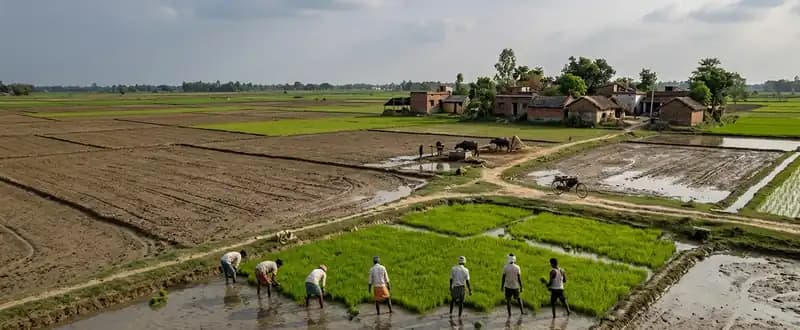
Indian rice export prices advanced for a third consecutive week as higher government sale prices and concerns over delayed planting raised costs for exporters. The movement places fresh pressure on importers that had expected India’s large stocks and government sales to keep international offers low during the summer purchasing period.
India’s 5% broken parboiled rice was offered at $352 to $357 per tonne during the week ending July 16, up from $348 to $352 in the prior week. Export quotations for 5% broken white rice stood at $353 to $357 per tonne. The increase followed a higher reserve price for rice released through the government’s Open Market Sale Scheme, which raised domestic replacement costs for exporters.
Crop establishment has also fallen behind last year. Farmers had planted summer rice across 11.5 million hectares as of July 10, compared with 12.6 million hectares at the same point in 2025. Weak rainfall in some growing regions has created concern that planting schedules could be pushed back, tightening the period between old-crop stock releases and arrivals from the coming harvest.
Request the Latest Rice Prices Data - Access Price Insights Now
Regional supply conditions are mixed. Flooding in Bangladesh damaged crops across at least 28,610 hectares in 12 districts, including paddy fields and rice seedbeds. The damage could raise import requirements if domestic production losses widen after floodwaters recede. Thailand’s 5% broken rice was quoted at $445 to $450 per tonne, slightly below the previous week, as demand remained limited. Vietnamese offers stayed at $445 to $450 per tonne as buyers waited for more grain from the summer-to-autumn harvest.
For procurement teams, the Indian increase changes the immediate negotiating position without proving that the entire Asian rice market is tightening. Indian offers remain below Thai and Vietnamese quotations, but the gap can be reduced by freight, quality specifications, payment terms and delivery schedules. Importers dependent on Indian parboiled rice may encounter less room for discounts until planting improves or government reserve-sale terms change.
Buyers can reduce exposure by dividing upcoming requirements across several shipment periods rather than fixing a large volume against a single week’s quotation. Tender documents should keep clear tolerances for broken percentage, moisture, grain length, packing and inspection so lower-priced bids can be compared on the same delivered specification. Rainfall, Indian planting reports and flood damage in Bangladesh will shape supplier positions during the coming negotiations.
Assistant Manager: Business Insights and Content
Supporting procurement teams with category intelligence, market research, price trends, supply-demand analysis, and strategic sourcing insights across key industries.




We are Just a Text away