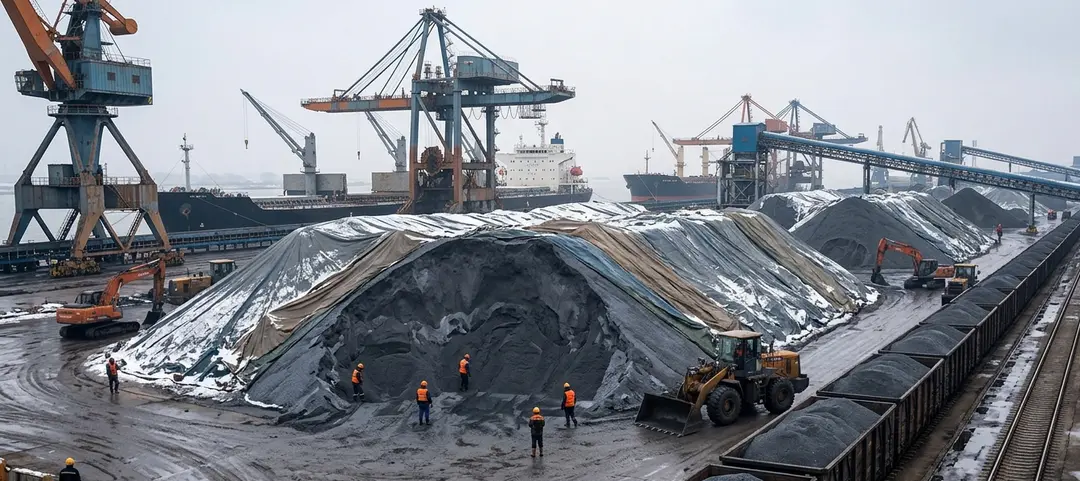
- Iron ore prices declined in Week 24 as Chinese downstream steel consumption eased from earlier levels.
- Shrinking steel mill margins reduced mills’ interest in raw material restocking.
- Rising inventories and firmer coking coal and coke costs added pressure to iron ore demand.
- Prices edged higher in Week 25 as cost support limited further losses.
- Weak Chinese crude steel output and soft property demand kept the recovery limited.
- Elevated Chinese port inventories kept supply comfortable and capped stronger price gains.
Iron ore prices declined during the 24th week of 2026 as Chinese downstream steel consumption eased from earlier levels. Weaker demand from construction, manufacturing and infrastructure reduced the need for steel mills to replenish raw material inventories. With mills buying less ore, prices moved lower.
Shrinking steel mill margins added to the pressure. Finished steel prices remained weak, while input costs did not fall enough to improve profitability. This made mills more cautious about restocking. Rising inventories also showed that supply was comfortable, reducing urgency in the market. Firmer coking coal and coke costs placed additional pressure on steelmaking economics, which further weakened interest in iron ore procurement.
Request the Latest Iron Ore Prices Data - Access Price Insights Now
Iron ore prices edged higher in Week 25, but the recovery was limited. Cost support helped prevent a deeper decline, as weaker producers faced pressure at prevailing price levels. This created a floor under prices and supported a small rebound.
The upside remained capped by weak Chinese output data and continued softness in the property sector. Lower crude steel production restricted iron ore buying, while weak property demand reduced expectations for stronger steel consumption. Elevated Chinese port inventories also kept supply comfortable. Iron ore prices rose slightly in Week 25, but the gain remained small because demand conditions were still weak.


.webp&w=1080&q=75)
.webp&w=1080&q=75)