Prakhar Panchbhaiya
Assistant Manager: Business Insights and Content
Supporting procurement teams with category intelligence, market research, price trends, supply-demand analysis, and strategic sourcing insights across key industries.
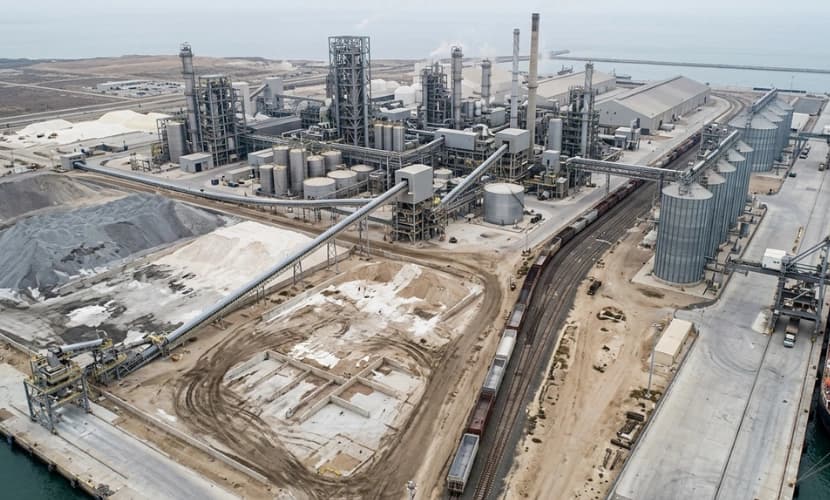
India’s complex Fertilizer supply chain is facing pressure as disruptions in key raw materials affect the availability of NP and NPK Fertilizers. These products depend on multiple upstream inputs, including ammonia, phosphates and sulphur, making supply stability dependent on both domestic production and international trade flows.
The disruption has affected the availability of imported raw materials used by Fertilizer manufacturers. India relies on overseas sources for several nutrients and intermediates required to produce phosphatic and nitrogen-phosphate Fertilizers. Any delay in shipments, logistics restrictions or reduced supplier availability can affect production schedules and inventory planning.
For Fertilizer procurement teams, raw material visibility has become increasingly important. Manufacturers need reliable access to ammonia and phosphate inputs before converting them into finished Fertilizer products. A shortage at any stage of the chain can reduce output even when agricultural demand remains strong.
Request the Latest NP Fertilizer Prices Data - Access Price Insights Now
NP and NPK Fertilizers are widely used because they provide multiple nutrients in a single application. Farmers and distributors depend on timely availability during crop cycles, making production planning and inventory management important for suppliers. Delays in manufacturing or imports can create regional supply imbalances.
Fertilizer producers may need to diversify sourcing arrangements for imported feedstocks. Dependence on limited supplier regions increases exposure to shipping disruptions, trade restrictions and geopolitical events. Companies with multiple approved suppliers can adjust more easily when one supply route becomes constrained.
Procurement teams should also monitor ammonia and sulphur markets because these inputs influence the cost and availability of several Fertilizer products. Changes in upstream availability can affect production economics even before finished Fertilizer supplies become limited.
Long-term contracts with raw material suppliers, better inventory planning and alternative sourcing channels can help reduce disruption risks. Fertilizer buyers and manufacturers will need closer coordination across the supply chain to maintain availability during periods of uncertainty.
The current situation highlights the importance of raw material security in Fertilizer production. Stable access to ammonia, phosphate and sulphur inputs remains essential for maintaining NP Fertilizer supply.
Assistant Manager: Business Insights and Content
Supporting procurement teams with category intelligence, market research, price trends, supply-demand analysis, and strategic sourcing insights across key industries.

We are Just a Text away