Prakhar Panchbhaiya
Assistant Manager: Business Insights and Content
Supporting procurement teams with category intelligence, market research, price trends, supply-demand analysis, and strategic sourcing insights across key industries.

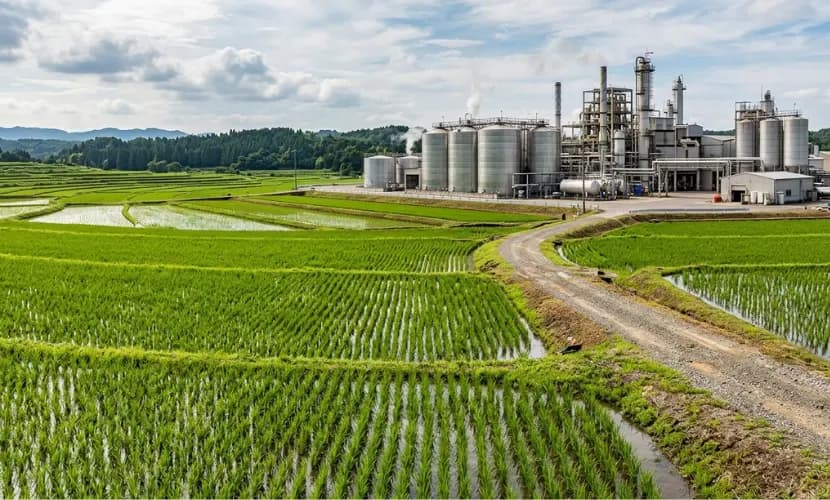
Rice could play a larger role in India's ethanol supply chain as reduced acreage for maize and sugarcane raises concerns about the availability of traditional biofuel feedstocks. Industry participants expect ethanol producers to look more closely at rice when securing raw materials required to maintain fuel-blending operations.
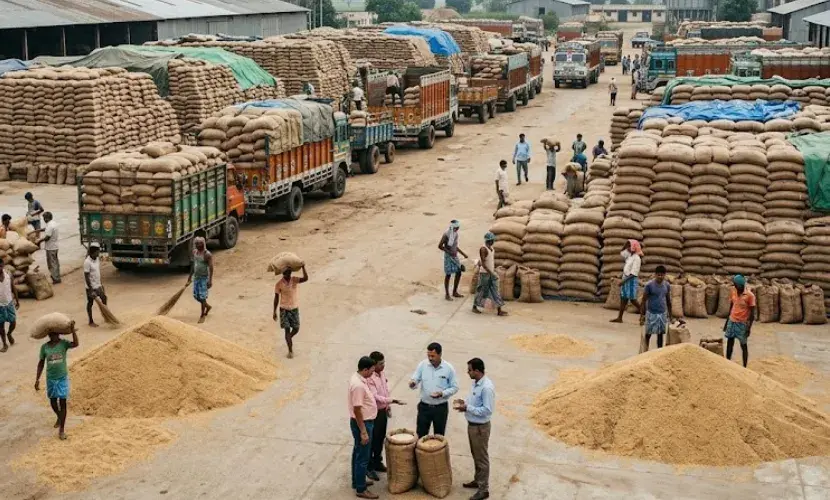
The shift creates a new purchasing consideration for companies already using rice for food processing, milling and other industrial applications. Ethanol plants represent a large-volume demand channel, and greater use of rice for fuel production can place additional competition on grain that might otherwise move through food or feed markets.
Feedstock flexibility has become important for ethanol producers because reliance on a single agricultural crop creates exposure to weather and planting decisions. When maize or sugarcane acreage falls, distilleries need another source of fermentable material to maintain plant utilisation. Rice stocks can provide that alternative where policy permits their diversion into fuel production.
Request the Latest Rice Prices Data - Access Price Insights Now
For rice procurement teams, the main issue is the potential reallocation of supply. Total grain availability can remain comfortable while particular grades or channels become tighter when another industry starts purchasing larger quantities. Buyers should understand whether ethanol plants compete for the same rice specification, geography or transport infrastructure used by their suppliers.
Government stock-release policies also matter. Rice supplied from public inventories can reduce direct competition with private food buyers if adequate quantities are released specifically for ethanol. Changes to allocation rules, eligibility or distribution volumes can alter this balance and should be monitored by processors with large annual requirements.
Mills can protect supply through clearer volume commitments with growers, traders and aggregators. Purchasing from several producing regions also limits dependence on areas where ethanol facilities are active buyers. Companies should compare transport costs when moving grain from alternative regions because freight can offset any advantage in the underlying purchase terms.
The ethanol channel may also support demand for lower-grade or broken rice that has fewer food applications. Buyers should distinguish these grades from higher-quality grain before assessing the effect on their procurement programmes.
A sustained increase in fuel-sector use would make ethanol policy another factor in rice purchasing decisions. Food processors and industrial users will need to follow crop acreage, government stock releases and distillery demand when setting contract coverage and inventory levels.
Assistant Manager: Business Insights and Content
Supporting procurement teams with category intelligence, market research, price trends, supply-demand analysis, and strategic sourcing insights across key industries.


We are Just a Text away