- Australia’s largest aluminium smelter has secured long-term power support.
- The arrangement is intended to prevent a potential plant closure.
- The smelter plans to transition fully to renewable electricity.
- Continued domestic production reduces dependence on imported aluminium.
- Power reliability remains central to future aluminium supply.
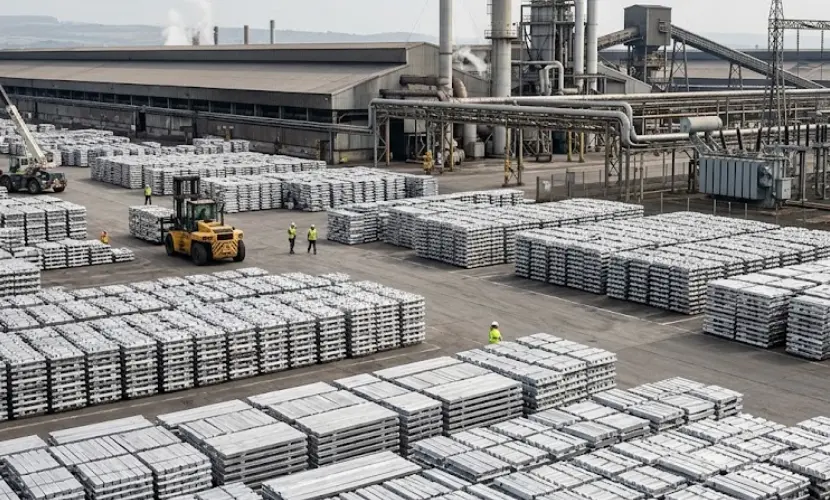
Australia's largest aluminium smelter has secured a long-term power support arrangement intended to keep domestic production running as the facility prepares to move away from its existing electricity contract. The agreement addresses one of the largest cost and continuity risks facing aluminium smelting: access to dependable electricity at a level that allows the plant to remain commercially viable.
Aluminium smelting requires continuous electricity supply. A disruption can interfere with potline operations and create expensive restart problems, making power reliability much more important than it is for many other manufacturing processes. The Australian plant is also one of the largest individual electricity consumers in its state.
The new arrangement is designed to support a shift toward renewable electricity rather than extending dependence on the plant's existing coal-focused supply structure. New renewable generation and firming capacity are expected to be developed to provide the electricity required for continued smelter operation.
Request the Latest Aluminium Prices Data - Access Price Insights Now
For aluminium procurement teams, keeping the smelter open protects an established source of primary metal. A closure would reduce domestic production options and could leave downstream manufacturers more dependent on imported aluminium, exposing them to additional ocean freight, currency movements and longer replenishment periods.
The power agreement can also alter discussions around supplier cost structures. Electricity is a large component of smelting expenses, so long-term power arrangements give producers better visibility over one of their main operating inputs. Buyers negotiating supply agreements can monitor how the new energy structure affects production reliability and future contract conditions.
The transition still carries execution risk. Renewable generation, transmission connections and firming capacity must be available when required. Delays in new electricity infrastructure could create operating uncertainty even after financial support has been agreed.
Downstream buyers in packaging, construction and manufacturing should continue maintaining more than one qualified supply route. Retaining domestic capacity reduces import exposure, but reliance on a single large smelter can still create concentration risk if maintenance or power interruptions occur.
The agreement provides a clearer path for continued aluminium production at the facility and ties its future more closely to renewable power development. Procurement teams can treat the decision as a positive supply-continuity signal while continuing to track energy infrastructure, operating reliability and alternative metal sources.





.webp&w=1080&q=75)
.webp&w=1080&q=75)