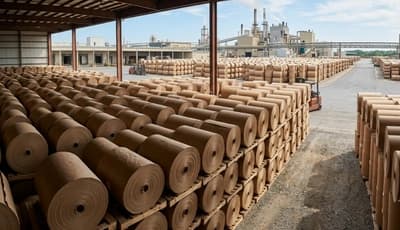
- Linerboard supply has tightened after capacity retirements and mill disruptions.
- Producers are seeking further increases across North American containerboard.
- Kraft linerboard availability has become a concern for some buyers.
- Supplier allocation agreements can protect essential converting volumes.
- Multiple approved mills can reduce supply interruption risk.
North American linerboard buyers are facing tighter supply conditions after a series of capacity retirements and mill disruptions reduced the amount of containerboard available to the market. Producers have responded by seeking another broad increase, adding pressure to purchasing budgets for corrugated packaging manufacturers and large industrial box users. The latest industry report specifically identifies linerboard as a product facing tighter supply and reduced availability.
The supply reduction has developed over an extended period rather than from one isolated shutdown. Permanent capacity removals have reduced the industry's ability to absorb unplanned outages or sudden changes in corrugated-box demand. A separate mill disruption has tightened the market further, leaving some buyers concerned about access to kraft linerboard for upcoming orders.
Request the Latest Linerboard Prices Data - Access Price Insights Now
For corrugated converters, linerboard availability matters as much as purchase cost. A plant can have adequate corrugating-medium supply but still face production problems if the required liner grades are unavailable. Box strength, print performance, moisture resistance and customer specifications can limit the ability to switch grades at short notice.
Procurement teams should review how much of their requirement is covered under committed supplier allocations. Contracts based solely on periodic purchases may provide less protection when producers manage limited supply across several customers. Larger users can seek agreed monthly tonnage, delivery schedules and procedures for handling production interruptions.
Supplier qualification can also reduce exposure. Buyers relying on one mill or one integrated producer may consider approving alternative linerboard suppliers before availability becomes more restricted. Qualification should cover basis weight, strength characteristics, recycled or virgin fibre content, converting performance and consistency across deliveries.
Inventory policies may need adjustment where lead times have lengthened. Holding additional stock can protect corrugators from short interruptions, but excessive inventories consume warehouse space and working capital. Buyers can focus safety stocks on high-volume grades that have few approved substitutes.
Recovered fibre availability and operating costs remain other variables for the sector. Producers have cited input pressures when explaining the need for higher selling levels, but buying teams should examine these components separately rather than accepting a single broad explanation for every adjustment.
Linerboard procurement will remain closely tied to production capacity and mill reliability. Buyers with several approved suppliers, clearer allocation terms and better visibility into mill schedules will have more flexibility when physical availability tightens.