Prakhar Panchbhaiya
Assistant Manager: Business Insights and Content
Supporting procurement teams with category intelligence, market research, price trends, supply-demand analysis, and strategic sourcing insights across key industries.


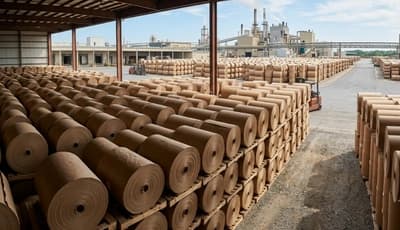
A kraft pulp and paper facility in Arkansas is required to strengthen pollution controls, monitoring and maintenance practices after regulators reached a settlement over alleged air-quality violations. The corrective work covers equipment used during pulp washing, leak-detection procedures, wastewater treatment and boiler testing, bringing operational compliance into focus for the paper manufacturing sector.
The case centres on pollution-control systems connected with the brown stock washing stage of production. Brown stock washers separate waste liquid from pulp fibres before further processing. Regulators alleged that the facility lacked appropriate controls on part of this equipment and did not consistently meet required inspection and performance-testing procedures.
For paper procurement teams, regulatory settlements at operating mills can matter even when production is not formally shut down. Installation work, inspections and equipment modifications can require maintenance windows or changes to operating schedules. Buyers dependent on a specific facility should understand whether compliance projects affect production rates, grade availability or shipment timing.
The required work also demonstrates how environmental compliance forms part of the manufacturing cost base. Pulp and paper facilities use large process systems involving boilers, chemical recovery, wastewater treatment and emissions controls. New monitoring or pollution-control requirements can increase maintenance and capital spending even when raw-material costs remain stable.
Purchasers should avoid assuming that every regulatory action creates an immediate paper shortage. The more useful approach is to assess the facility involved, the grades produced there and whether corrective work requires production interruptions. Supplier communication can clarify whether planned maintenance will affect contracted volumes.
Alternative mill qualification can provide protection for buyers using paper grades that are available from several manufacturers. Product requirements covering basis weight, moisture, brightness, strength and printing performance should be documented before moving orders to another source.
Companies with strict sustainability or compliance requirements may also review supplier environmental performance as part of vendor assessment. Regulatory records can provide information on operational controls and whether facilities are addressing identified problems.
The development shows why paper purchasing cannot be separated from mill operations. Environmental equipment, maintenance schedules and regulatory obligations can affect supply reliability alongside pulp, fibre, energy and transportation conditions.
Buyers that monitor mill-level developments are better placed to identify operational risks before they affect deliveries. Supplier qualification and clear communication remain practical protections when mills undertake compliance-related work.
Assistant Manager: Business Insights and Content
Supporting procurement teams with category intelligence, market research, price trends, supply-demand analysis, and strategic sourcing insights across key industries.





We are Just a Text away