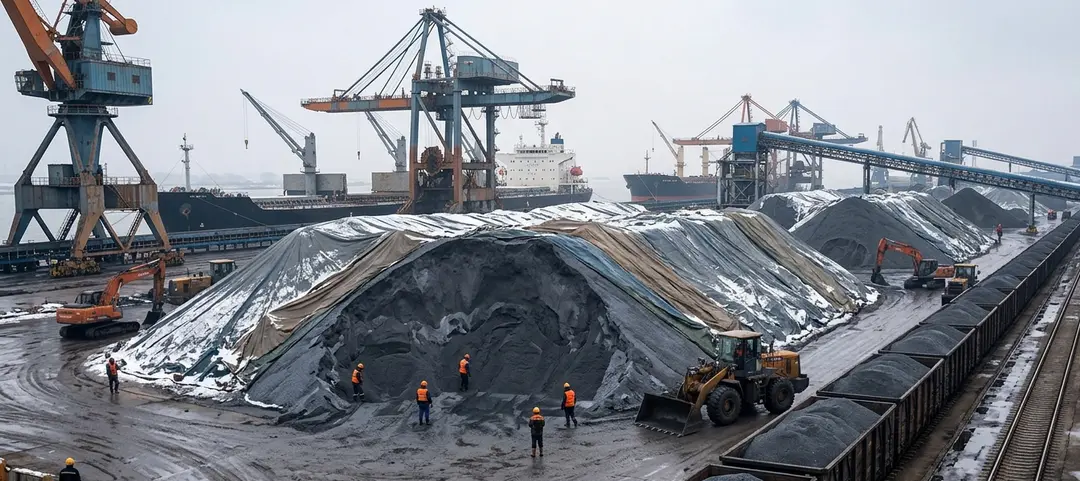
- Finished steel production increased 4.7% to 54.7 million tons.
- Domestic steel consumption rose 7.9% to 56 million tons.
- Finished steel imports increased 36.6%.
- Exports rose 35% during the same period.
- Consumption growth continued to outpace domestic production growth.
India’s finished steel consumption is growing faster than domestic production, increasing the importance of import supply for construction, infrastructure, automotive, and industrial buyers. Finished steel output reached 54.7 million tons during the reported four-month period, rising 4.7% from a year earlier, while consumption increased 7.9% to 56 million tons.
The difference between production and consumption growth indicates that domestic mills are increasing output but are not fully matching the pace of demand expansion. Finished steel production during the latest reported month reached 14 million tons, up 3.9% year over year, while monthly consumption increased 6.8% to 14.4 million tons.
Imports have responded to this demand gap. Finished steel imports increased 36.6% to 2.77 million tons, while exports rose 35% to 2.29 million tons. India remained a net importer of finished steel by volume. China supplied 30.9% of imports, followed by South Korea at 30.2% and Japan at 14.9%.
Request the Latest Steel Prices Data - Access Price Insights Now
For procurement teams, the rise in imports provides additional sourcing options but also increases exposure to ocean freight, currency movements, customs requirements, and international trade policy. Buyers using imported steel should compare total delivered costs rather than mill quotations alone.
The product mix also matters. Alloy steel production rose 26.7% to 3.71 million tons, with consumption increasing 22.1% to 4.02 million tons. Stainless steel followed a different pattern, with production declining 4.2% to 1.38 million tons even as consumption increased 25% to 1.77 million tons. Buyers should assess individual steel categories rather than treating national steel supply as one uniform market.
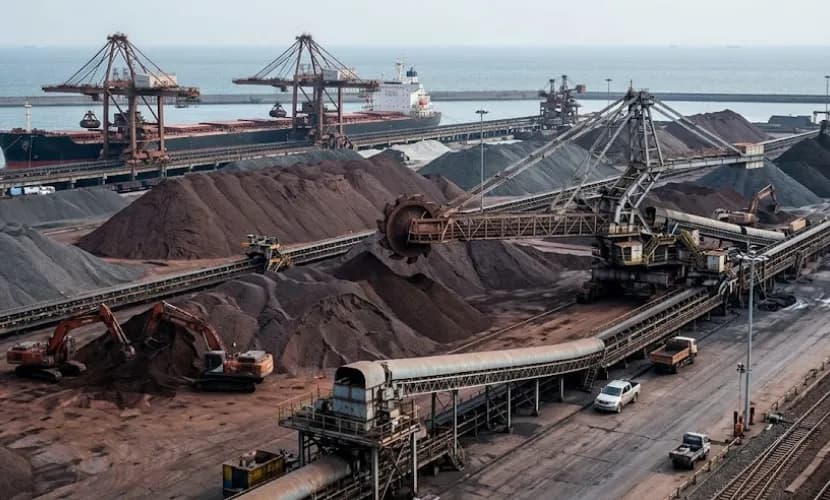
Domestic raw-material security remains another procurement factor. Recent mining-policy changes are intended to improve access to minerals used by steelmakers, including iron ore. Better availability of domestic feedstocks can support mill utilization and reduce some upstream supply exposure.
Steel buyers should maintain qualified domestic and overseas suppliers where specifications permit. Continued demand growth, differences between product categories, and stronger import activity mean sourcing flexibility will remain useful for managing availability and delivery requirements.





.webp&w=1080&q=75)
.webp&w=1080&q=75)