Prakhar Panchbhaiya
Assistant Manager: Business Insights and Content
Supporting procurement teams with category intelligence, market research, price trends, supply-demand analysis, and strategic sourcing insights across key industries.
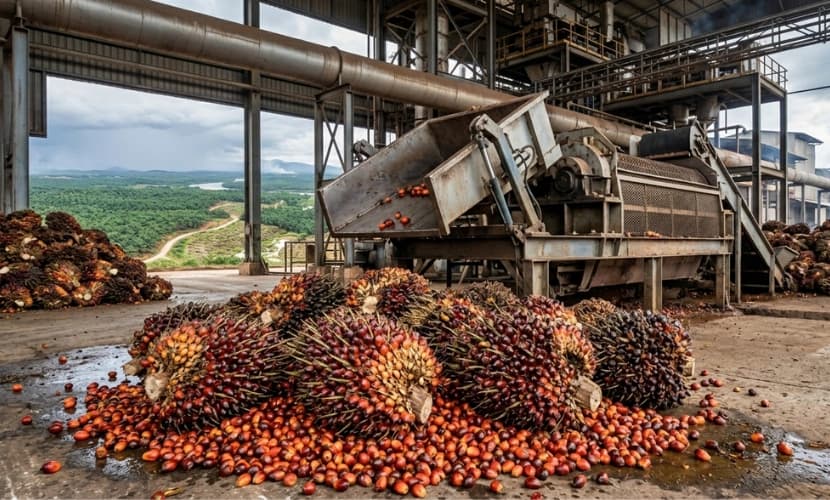
Palm oil procurement conditions are becoming tighter as lower production expectations, weaker mill extraction rates, and disruptions to international vegetable oil trade routes affect the supply outlook. Malaysia remains one of the world’s main palm oil exporters, making changes in its production performance important for food manufacturers, refiners, biodiesel producers, and oleochemical buyers.
Malaysian palm oil production is expected to decline year over year later in the year after reaching its normal seasonal peak. Oil extraction rates have also weakened after performing above longer-term levels earlier in the year. Lower extraction rates mean mills can process similar quantities of fresh fruit bunches but recover less crude palm oil, reducing finished output available for domestic use and exports.
Shipping conditions create another procurement risk. Disruptions affecting the Red Sea, Bab al-Mandeb Strait, and Strait of Hormuz can alter vessel routes, freight requirements, and delivery schedules for vegetable oils. Problems affecting Black Sea ports and crushing facilities also create uncertainty around sunflower oil availability, which can redirect some international demand toward palm oil.
Request the Latest Palm Oil Prices Data - Access Price Insights Now
India remains an important source of import demand. Food consumption typically strengthens during the festival period, encouraging refiners to secure greater vegetable oil coverage. If competing oils become less available, buyers can increase their reliance on palm oil, adding further demand for Malaysian and Indonesian supply.
Indonesia’s biodiesel program creates a separate pull on crude palm oil. Greater domestic consumption for fuel can reduce the amount available for export, which matters for countries that depend on Indonesian cargoes for food and industrial applications.
Procurement teams should examine more than national production numbers when planning supply. Extraction rates, export availability, port operations, vessel access, and biodiesel requirements can change the volume that actually reaches international buyers.
Companies using palm oil in food products may have some ability to substitute other vegetable oils, but changes can affect texture, melting properties, shelf life, processing performance, and labeling. Approved alternative formulations should be tested before supply becomes tight.
Buyers can reduce exposure through multi-origin sourcing, staggered contracts, and adequate inventory coverage. Supplier agreements that provide firm delivery windows can also help when vessel schedules become less predictable.
The current supply outlook points to greater importance of physical availability and logistics. Palm oil buyers with approved sources across Malaysia and Indonesia and clear inventory targets will have more flexibility if output weakens or trade routes remain disrupted.
Assistant Manager: Business Insights and Content
Supporting procurement teams with category intelligence, market research, price trends, supply-demand analysis, and strategic sourcing insights across key industries.



We are Just a Text away