Asia
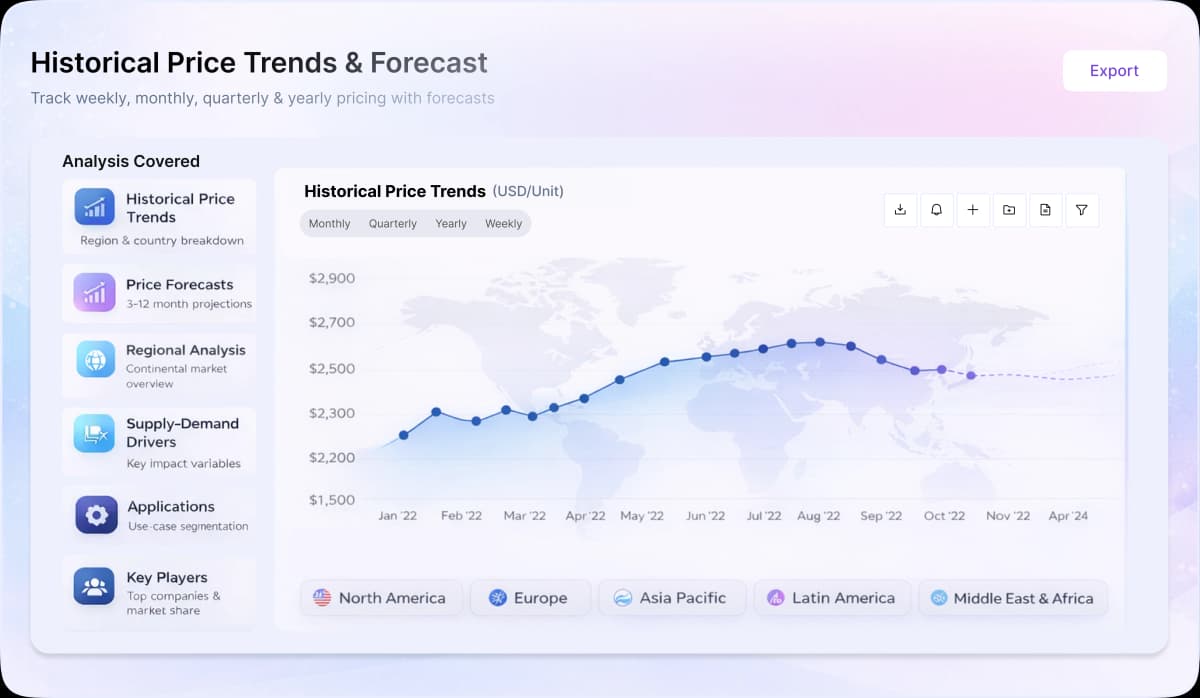
Asian Acetaminophen (Paracetamol) markets started 2025 with a modest improvement from the previous trough, but the recovery quickly lost momentum. Indian producer commentary indicated that earlier customer stockpiles remained high, while additional global API capacity intensified competition and kept margins under pressure. Producers increasingly redirected paracetamol into formulation intermediates and finished dosages rather than competing aggressively in the merchant API market. Feedstock conditions also remained relatively comfortable. Acetic anhydride and Phenol prices remained soft through much of the year, limiting raw-material support. By the second half, demand from API and finished-dosage customers began improving gradually, helping the market stabilize without producing a sharp rebound.
Europe
European Acetaminophen (Paracetamol) conditions remained soft for much of 2025 as global oversupply and continued competition from overseas manufacturers weighed on supplier bargaining power. Producer commentary specifically pointed to continued erosion in the European paracetamol API business during the first half. Weak phenol economics and lower energy costs also reduced replacement-cost pressure. Eurostat reported euro-area industrial producer prices falling 2.2% month on month in April, largely because of lower energy costs. However, European chemical producers continued facing comparatively high structural operating expenses, limiting the extent to which manufacturing costs could decline. Demand improved later in the year as paracetamol purchasing recovered, but sufficient API availability kept the market broadly balanced.
North America
North American Acetaminophen (Paracetamol) markets witnessed mixed trends. The year began on a weak footing as pharmaceutical manufacturers and distributors maintained disciplined inventories. Conditions became somewhat firmer during the second half as medicinal and botanical chemical costs improved and pharmaceutical demand normalized. However, adequate imported and domestic API availability prevented suppliers from gaining substantial pricing power.