

Udeesha Tomar
AVP - Strategy and Solutions
Leading procurement research solutions across chemicals, materials, and food & beverages, with expertise in price forecasting and market analytics.

Aluminium can prices moved modestly higher during the quarter as the metal cost in can body and end stock recovered from the sharp late-June correction, though upstream aluminium never regained its earlier peak. The support came from exchange scarcity rather than input costs. LME inventories kept falling, and available warrants were dominated by Russian-origin metal, which kept the metal component of can-sheet pricing firm. Feedstock added little upward pressure, since alumina traded well below earlier highs and seaborne bauxite flows to China stayed ample, which limited any cost pass-through to can makers. Gains were capped by Chinese smelters, which ran at record output but diverted more production to liquid metal for domestic processors, so extra supply stayed inside China rather than easing seaborne tightness. Trade flows confirmed this. China's primary aluminium imports fell year on year, with Russia supplying nearly all of them, and exports also declined, pointing to a tighter domestic balance rather than surplus metal reaching international can-sheet mills. On the demand side, beverage-can buyers faced subdued aluminium consumption outside China, which made them less willing to absorb higher metal costs.
Analyst Insight
According to Procurement Resource, in the near term, can prices are likely to stay firm but range-bound, supported by exchange scarcity yet capped by Chinese supply growth and soft demand outside China.
Related Report
Need Latest Aluminium Can Prices?
Get real-time price assessments, periodic trends, forecasts and price driver insights across key global markets.
Our Clients































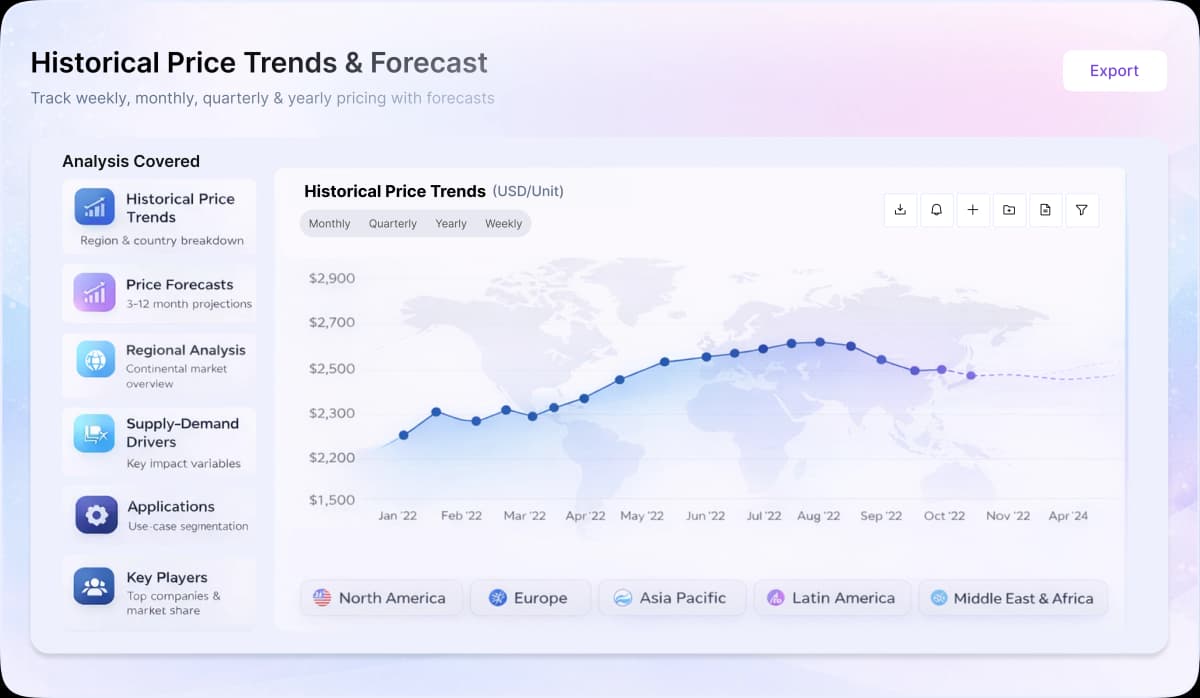
Turn price intelligence into action with the Procurement Resource Database. Log in or subscribe to unlock live price trends, historical charts, supplier databases, cost curves, and analyst-backed insights across chemicals, agriculture, energy, packaging, and more. Use these tools to benchmark your contracts, plan budgets with confidence, and stay ahead of market moves on every product you buy.
0
+Products
0
+Regions
0
+Subscriptions
Aluminium can markets in Asia experienced early-quarter cost pressure as supply disruptions affected aluminium availability and increased concerns among downstream manufacturers. Temporary shortages and higher logistics risks supported stronger metal-related input costs, encouraging can producers to manage inventories carefully. Conditions improved later as supply flows normalised and aluminium availability increased, reducing cost pressure for can manufacturers. China’s aluminium market became more balanced as domestic supply improved and elevated inventories limited further cost increases. India’s beverage-can demand remained supportive, with strong consumption from packaged beverages helping maintain conversion demand despite softer raw material conditions. Packaging applications continued providing stability as aluminium cans remained preferred for beverage storage, recyclability and lightweight packaging solutions.
An aluminium can is a single-use container (primarily aluminium) for packaging. Owing to its malleability, aluminium can easily be pressed into different shapes. Aluminium cans are usually used for food and beverages like milk, sodas, and products such as oil and chemicals. Aluminium cans are lightweight, easy to stack, highly malleable and infinitely recyclable.
Hence, the future of sustainable packing lies with aluminium and aluminium cans are a step forward in this direction. Most common beverages are packed in pull tab or screw-top aluminium cans, which offer perfect cooling protecting the flavour and freshness.
Amcor, Ball Corporation, Silgan Containers LLC, Ardagh
CurrencyUS$ (Data can also be provided in local currency)
Supplier Database AvailabilityYes
Customization ScopeThe report can be customized as per the requirements of the customer
Post-Sale Analyst Support360-degree analyst support after report delivery
Note: Our supplier search experts can assist your procurement teams in compiling and validating a list of suppliers indicating they have products, services, and capabilities that meet your company's needs.
Three-piece can drawing method consists of a single cylindrical body rolled from a piece of flat metal with a longitudinal seam; then, the two ends are seamed together. Three-piece cans can be made in almost any practical combination of height and diameter. In Two-piece can drawing, a metal disc is reformed into a cylinder with an integral end. This loose end is then seamed shut.
Our Price Analysis Methodology
AVP - Strategy and Solutions
Leading procurement research solutions across chemicals, materials, and food & beverages, with expertise in price forecasting and market analytics.
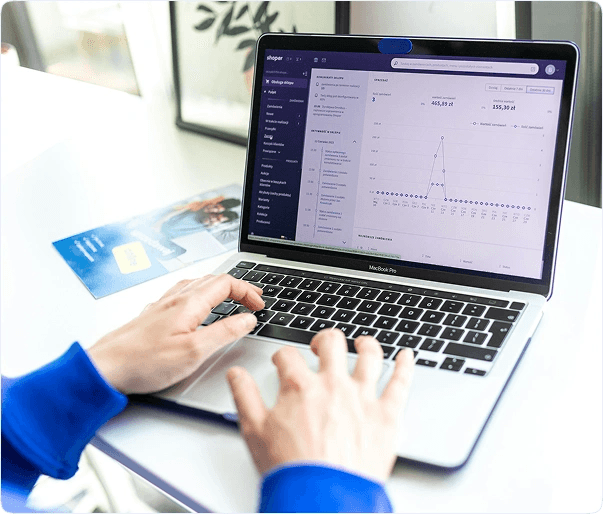
Experience how Procurement Resource transforms raw material price data into clear, decision ready intelligence. Optimise your performance with reliable, expert market data and analysis. Schedule your demo today to experience a live walk-through where our experts will showcase interactive price charts, forecasted prices, and insights driving the prices for your key commodities, tailored to your workflows. Contact us now!
Our Team will be happy to assist you
We are just a text away
Still Need Help?
Unlock full access to Procurement Resource's price databases, interactive charts, and short-term forecasts for thousands of commodities. Elevate your sourcing decisions by comparing prices across regions, downloading historical data, and layering in analyst-backed insights, all with our flexible plans that scale as your portfolio grows.
Still have any Questions
Contact Us



Price Trend Dashboard - What's Included
Price trends across a diverse portfolio of categories and products, spanning board to niche chemicals
Coverage extendable to grade-specific chemicals based on procurement requirements
Regular price tracking supported by robust historical datasets
News, policy updates, and key market drivers impacting price movements
Short-term and long-term price outlooks and forecasts
Supply–demand dynamics and capacity-driven market analysis

Track prices, market movements, supply-demand dynamics, and industry developments across hundreds of commodities through a centralized intelligence platform built for informed procurement decisions.

Understand market fluctuations using analyst-backed forecasts, historical pricing patterns, and evolving industry trends to strengthen sourcing strategies and budget planning.

Leverage cost models, pricing benchmarks, and procurement insights to evaluate purchasing opportunities, improve negotiations, and enhance operational efficiency.
Access region-specific price trends, trade activities, capacity changes, and supply chain developments influencing commodity markets worldwide.