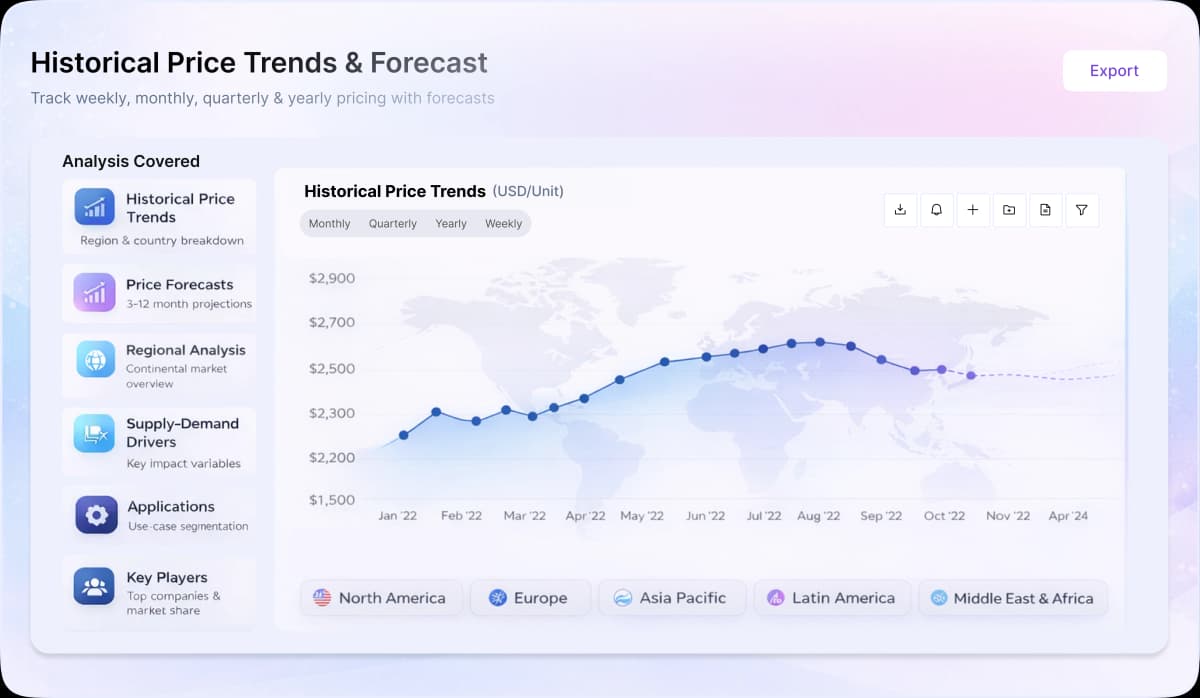
In 2025, banana prices had an overall rising yet volatile trend. This was mainly because of issues relating to supply, climate change, and policies in major producing or consuming countries. In Latin America, banana production was affected by diseases such as Fusarium TR4 and Black Sigatoka. This had a major impact on banana prices. Industry leaders noted that diseases affecting banana production could have a major impact on banana availability, which would eventually influence banana prices.
In Australia, floods affected banana transportation in north Queensland. This had a temporary impact on banana availability, which influenced banana prices. In the United States, the government planned tariff relief on imported bananas to reduce consumer prices and control inflation. This showed that policy decisions also played an important role in shaping banana price movements during the year.
Overall, banana prices in 2025 remained firm and volatile, mainly due to lower production, climate risks, disease pressure, and trade policies affecting supply and demand across global markets.