Asia
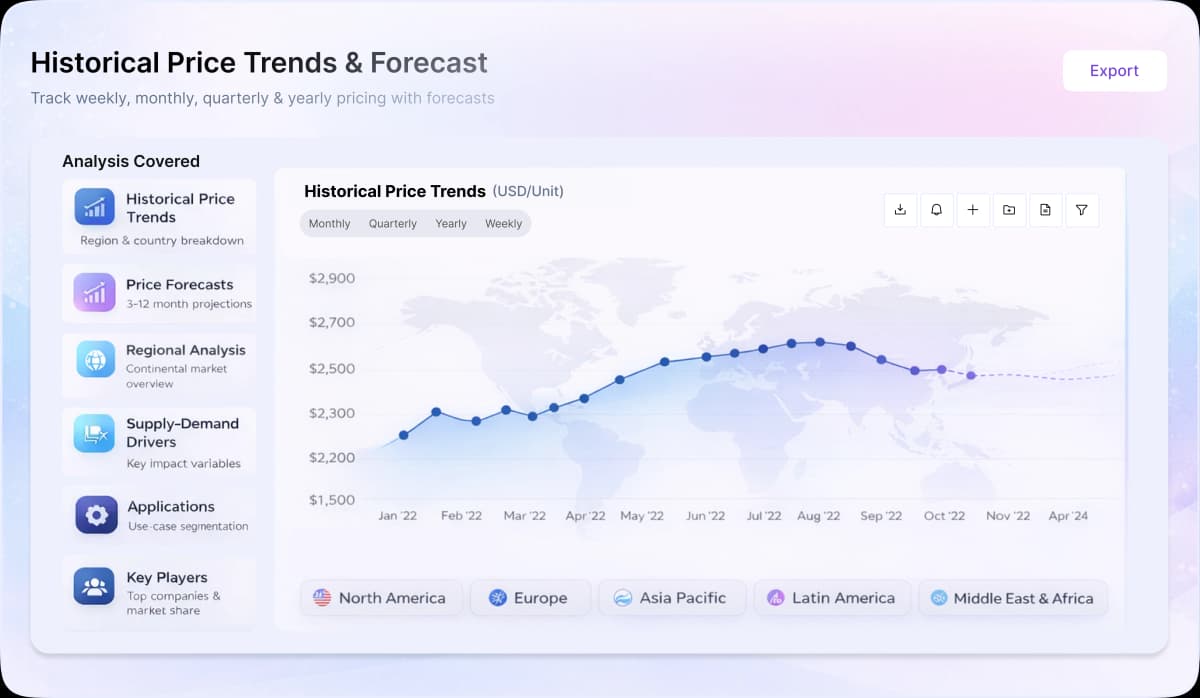
The Asian Benzyl Acetate market showed mild volatility during the fourth quarter, largely tracking upstream cost behaviour and uneven downstream offtake. At the start of the quarter, pricing moved lower as buyers resisted forward commitments and producers focused on clearing available stocks. Demand from fragrance blending, pharmaceutical formulation, and specialty solvent applications remained measured, with procurement limited to short-term needs.
Cost movements in benzyl chloride influenced sentiment, though pass-through to downstream pricing stayed limited due to ample availability of finished material. Mid-quarter conditions improved marginally as operating rates were adjusted and sellers attempted stabilization. This phase lacked durability, as end-user participation softened again toward the close of the quarter. Supply levels remained comfortable, and market activity slowed as year-end approached, keeping prices largely confined within a narrow band.
Europe
In Europe, Benzyl Acetate pricing opened the quarter on a firmer note before gradually easing as consumption momentum weakened. Early strength reflected residual cost pressures and slightly tighter availability carried over from the prior period. Demand from aroma chemicals, coatings additives, and pharmaceutical intermediates failed to keep pace with supply, prompting buyers to adopt a wait-and-see stance.
The influence of benzyl chloride was evident in production economics, yet downstream resistance limited upward price adjustments. As the quarter progressed, slowing industrial output and reduced discretionary manufacturing weighed on purchasing volumes. Sellers responded by revising offers to stimulate interest, though trading activity stayed thin. By the end of the quarter, market sentiment turned cautious, with sufficient inventories and subdued demand shaping a softer pricing environment.
North America
North American Benzyl Acetate prices followed a relatively steady but subdued pattern through the fourth quarter. Initial movements reflected cautious buying and stable production schedules, with no major supply disruptions reported. Downstream demand from flavors, personal care formulations, and chemical synthesis remained consistent but unremarkable.
Cost alignment with benzyl chloride supported mid-quarter stability, though it did not trigger renewed buying interest. As the quarter progressed, reduced year-end activity and muted industrial demand limited pricing momentum. Suppliers maintained balanced output, resulting in stable availability and modest downward bias toward the period close.