Biphenyl functions as a precursor in the synthesis of polychlorinated biphenyls, an ingredient used in electrical equipment, and as a heat transfer medium in liquid-phase heat exchange systems. Further, biphenyl is an essential component used in herbicides and insecticides. Biphenyl market demand is thus majorly driven by the need for effective PCBs and agricultural chemicals, as well as the requirement for efficient heat transfer systems in industries including electronics, chemicals, and pharmaceuticals.
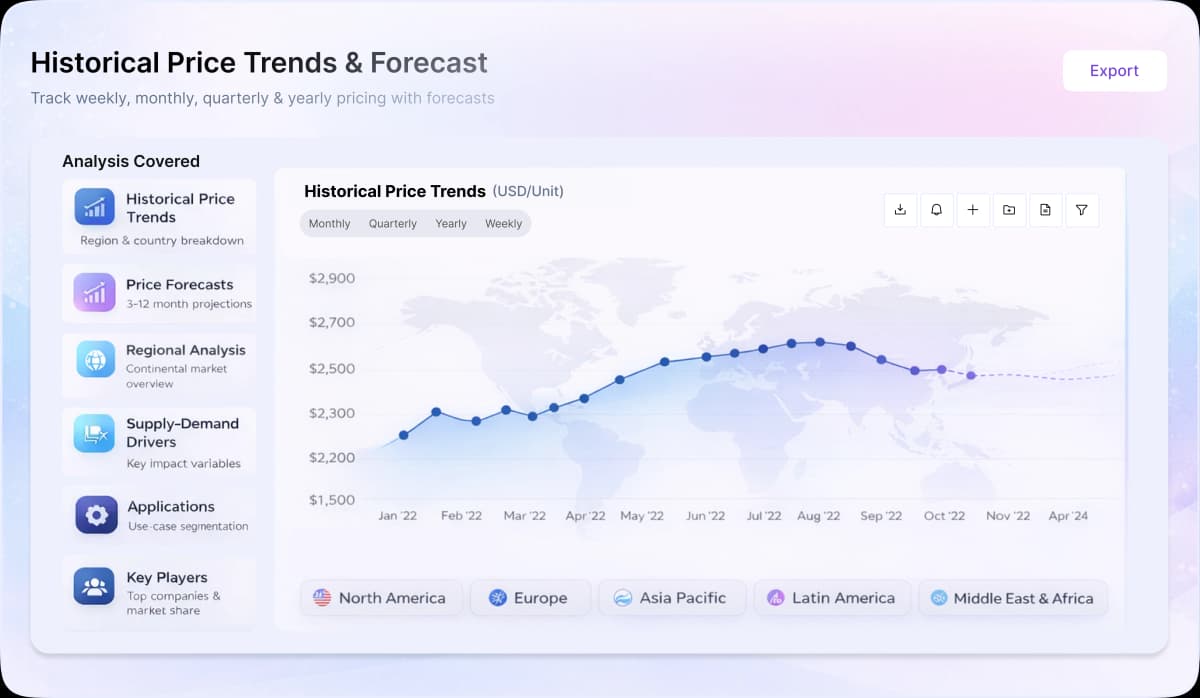
In Asia, particularly in China and India, biphenyl prices fell due to a corresponding decrease in toluene prices, affecting market trends negatively. Similarly, the South Korean biphenyl market experienced a downturn during this period as the consumer demand and the sales figures of the downstream industries nosedived due to the rising concerns over an industrial slowdown in Asian countries. In Europe, biphenyl prices also declined, although logistic disruptions caused by conflicts in the Middle East and Europe, such as the Israel-Hamas war and the Russian conflict, had some impact on supplies.
Despite these disruptions, inventory levels managed to meet meek industry demands. In North America, economic disturbances, including the failure of major banks, initially kept industrial activities and the procurement rates of biphenyl low. However, gradual improvements supported biphenyl prices, although high inventories continued to dominate market sentiments across the region.