Ethane vs Naphtha Cost Gap Widens
Bain analysis shows US ethane remains significantly cheaper than Asian naphtha, widening the cost gap and giving ethane‑based plants a competitive edge. This pushes naphtha prices higher.

Bain analysis shows US ethane remains significantly cheaper than Asian naphtha, widening the cost gap and giving ethane‑based plants a competitive edge. This pushes naphtha prices higher.
BASF has increased prices for its Lupranate MDI and Lupranate TDI products in ASEAN and South Asia markets, citing rising raw material, transportation, and energy costs as key drivers. The price hike takes effect immediately or as existing contract terms permit, signaling sustained upward cost pressure in the isocyanates supply chain.
| Product | Region | Incoterm Basis | Price | Last Updated Month |
|---|---|---|---|---|
| 1,3-Butadiene | China | FOB | USD 2,060.38/MT | October 2026 |
| 1,3-Butadiene | India | CIF | USD 2,186.08/MT | October 2026 |
| 1,3-Butadiene | USA | CIF | USD 2,252.10/MT | October 2026 |
| 1,3-Butadiene | China | FOB | USD 2,103.68/MT | September 2026 |
| 1,3-Butadiene | India | CIF | USD 2,229.38/MT | September 2026 |
| 1,3-Butadiene | USA | CIF | USD 2,274.86/MT | September 2026 |
Stay updated with the latest 1,3-Butadiene prices, historical data, and tailored regional analysis
Asia
In China, the average 1,3-Butadiene price was ~USD 1,566/MT in June. Prices initially strengthened on pre-Spring Festival restocking from the synthetic rubber sector before easing in February as naphtha costs declined and domestic availability improved. March brought a sharp surge as the Middle East conflict disrupted naphtha flows and reduced cracker operations. China’s butadiene imports from the Middle East totaled 93,911 MT in 2025, representing around 17% of its 541,823 MT total imports, highlighting the region’s exposure to disrupted supply routes. April onward, prices corrected as feedstock shortages eased, cracker rates recovered, and downstream BR and SBR demand remained weak. S&P Global also indicated that China was expected to remain a net importer in 2026, with Western supply continuing to contribute to regional availability.
Europe
In Germany, the average 1,3-Butadiene price settled at ~USD 1,687/MT in June. European prices remained exposed to naphtha costs and crude C4 availability, while weak derivative demand kept the market under pressure. Europe had already undergone significant cracker rationalization, with four steam crackers permanently closed during 2025, reducing crude C4 availability. However, subdued automotive and construction activity continued to constrain butadiene consumption. S&P Global expected Europe and the US to continue exporting surplus material toward Asia, although changing spreads and regional supply adjustments limited export opportunities.
North America
In the USA, the average 1,3-Butadiene price was ~USD 1,721/MT in June. The market remained affected by weak domestic demand and competition from export cargoes. S&P Global reported that lower Asian prices could pressure US contract settlements as producers relied on overseas markets to reduce domestic length. This encouraged producers to consider co-cracking and other supply-management measures. US and European material continued to serve Asian demand, while China’s imports remained a major outlet for surplus global supply.
Analyst Insight
According to Procurement Resource, Prices are likely to remain sensitive to naphtha availability, cracker operating rates and synthetic rubber demand, while surplus supply continues to limit sustained upside.
Related Report
Need Latest 1,3-Butadiene Prices?
Get real-time price assessments, periodic trends, forecasts and price driver insights across key global markets.
Our Clients































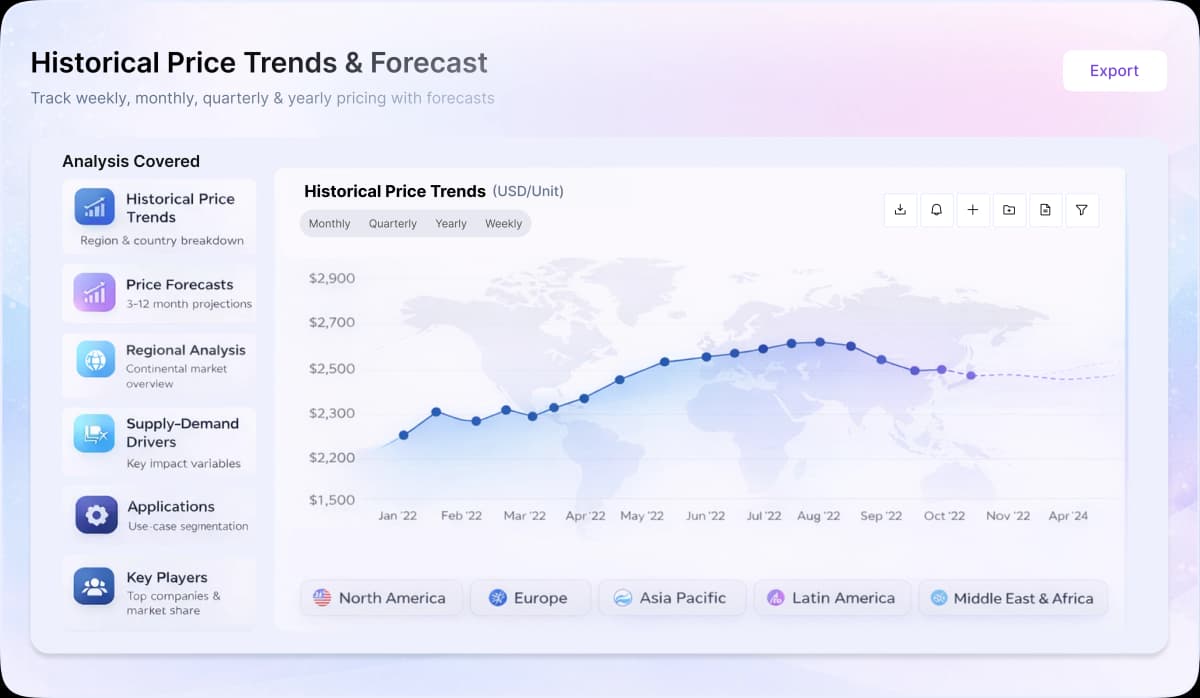
Turn price intelligence into action with the Procurement Resource Database. Log in or subscribe to unlock live price trends, historical charts, supplier databases, cost curves, and analyst-backed insights across chemicals, agriculture, energy, packaging, and more. Use these tools to benchmark your contracts, plan budgets with confidence, and stay ahead of market moves on every product you buy.
0
+Products
0
+Regions
0
+Subscriptions
Asia
In Asia, 1,3-Butadiene prices were influenced by changes in domestic availability and strong import requirements, particularly in China. Chinese butadiene imports reached a record level during 2025, reflecting limited domestic supply growth and continued requirements from downstream industries. The import market also remained exposed to international cargo availability, with Middle Eastern and other overseas suppliers contributing to regional supply.
Downstream synthetic rubber activity provided intermittent support, although demand was uneven across the year. Chinese synthetic-rubber trade remained active, with imports increasing during the early part of the year, while exports also expanded. This indicated continued movement of rubber products through the region despite fluctuations in domestic consumption.
Europe
European 1,3-Butadiene prices faced pressure from weak industrial activity, high production costs, and deteriorating cracker economics. European petrochemical producers increasingly reduced operating rates or reconsidered capacity as imported material became more competitive. The resulting changes in cracker availability affected the regional supply of C4 streams, while weaker automotive and manufacturing activity limited downstream demand.
Synthetic-rubber consumption also remained subdued in several European markets. Trade data from Central Europe showed lower movements of butadiene rubber in several markets, reflecting weaker demand from tire and industrial applications. This limited the ability of downstream buyers to absorb higher feedstock-related costs.
North America
In North America, 1,3-Butadiene pricing was shaped by comparatively competitive feedstock economics and domestic petrochemical availability. The region benefited from greater access to lower-cost hydrocarbon feedstocks than Europe, helping producers maintain a stronger cost position. However, demand from synthetic rubber and automotive-related applications remained sensitive to broader manufacturing conditions.
Trade flows also provided an outlet for regional rubber production. Competition from Asian and other international suppliers kept buyers price-conscious, while changes in global petrochemical economics influenced export competitiveness. The resulting balance between domestic availability, derivative demand, and international trade limited sustained upward pressure on prices.
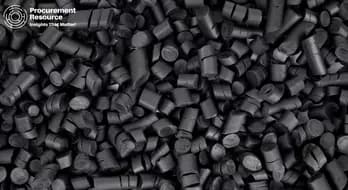
1,3-Butadiene is a volatile and colourless gas with a petrol-like odour. It is immiscible with water but is readily soluble in organic solvents like acetone, benzene, etc. It serves as feedstock for various polymerization reactions but is primarily used in manufacturing synthetic rubber ranging from shoe soles to tires in the automotive industry.
C2H6
Synthetic Rubber, Adhesives, Sealants, Asphalt, Polymers, Plastics including acrylics
Biethylene, Divinyl, Vinyl ethylene
Sinopec, Braskem, Shell Chemical,, CNPC, BASF, LyondellBasell, Ineos OandP
CurrencyUS$ (Data can also be provided in local currency)
Supplier Database AvailabilityYes
Customization ScopeThe report can be customized as per the requirements of the customer
Post-Sale Analyst Support360-degree analyst support after report delivery
Note: Our supplier search experts can assist your procurement teams in compiling and validating a list of suppliers indicating they have products, services, and capabilities that meet your company's needs.
C4 hydrocarbon production method: Mostly, 1,3-Butadiene is obtained during the stream cracking ethylene process as one of the by-products. The crude C4 stream is fed into the butadiene extraction zone, where the desired product is extracted via extractive distillation. The amount of product depends on the quality and quantity of feed used. Higher feed like naphtha results in a higher concentration of butadiene plus other derivatives.
Our Price Analysis Methodology

AVP - Strategy and Solutions
Leading procurement research solutions across chemicals, materials, and food & beverages, with expertise in price forecasting and market analytics.
Experience how Procurement Resource transforms raw material price data into clear, decision ready intelligence. Optimise your performance with reliable, expert market data and analysis. Schedule your demo today to experience a live walk-through where our experts will showcase interactive price charts, forecasted prices, and insights driving the prices for your key commodities, tailored to your workflows. Contact us now!
Our Team will be happy to assist you
We are just a text away
Still Need Help?
This report presents a detailed cost analysis of butadiene production from Ethanol.
This report presents a detailed cost analysis of butadiene production from aliphatic hydrocarbons using the steam cracking process.
This report presents a detailed cost analysis of butadiene rubber production from 1,3-butadiene via Ziegler-Natta polymerisation.
Butadiene Rubber Manufacturing Plant Project Report thoroughly focuses on every detail that encompasses the cost of manufacturing. Our extensive cost model meticulously covers breaking down expenses around raw materials, labour, technology, and manufacturing expenses. This enables precise cost structure optimization and helps in identifying effective strategies to reduce the overall cash cost of manufacturing.
Unlock full access to Procurement Resource's price databases, interactive charts, and short-term forecasts for thousands of commodities. Elevate your sourcing decisions by comparing prices across regions, downloading historical data, and layering in analyst-backed insights, all with our flexible plans that scale as your portfolio grows.
Still have any Questions
Contact Us



Price Trend Dashboard - What's Included
Price trends across a diverse portfolio of categories and products, spanning board to niche chemicals
Coverage extendable to grade-specific chemicals based on procurement requirements
Regular price tracking supported by robust historical datasets
News, policy updates, and key market drivers impacting price movements
Short-term and long-term price outlooks and forecasts
Supply–demand dynamics and capacity-driven market analysis

Track prices, market movements, supply-demand dynamics, and industry developments across hundreds of commodities through a centralized intelligence platform built for informed procurement decisions.

Understand market fluctuations using analyst-backed forecasts, historical pricing patterns, and evolving industry trends to strengthen sourcing strategies and budget planning.

Leverage cost models, pricing benchmarks, and procurement insights to evaluate purchasing opportunities, improve negotiations, and enhance operational efficiency.
Access region-specific price trends, trade activities, capacity changes, and supply chain developments influencing commodity markets worldwide.