Butter Oil Price Trend Analysis 2026: Historical Prices, Price Drivers, Supply Demand Analysis, Latest News & Market Insights

Siddharth David profile photo
Written BySiddharth David

Procurement Resource Database

Laptop screen

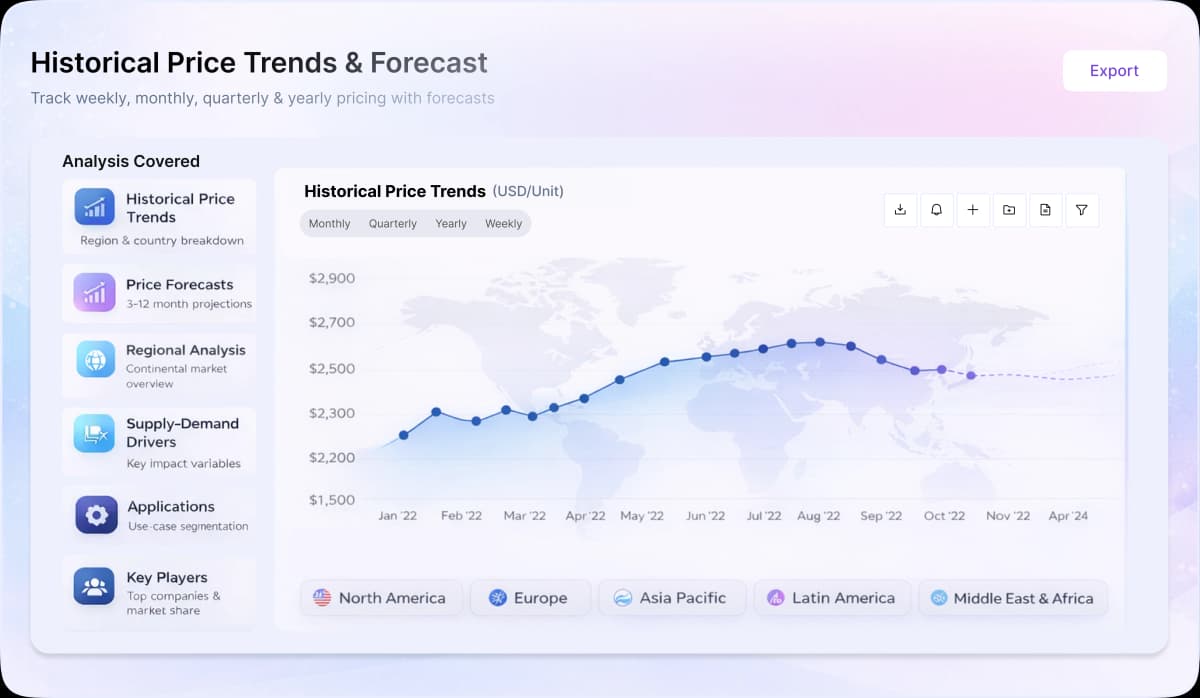
Turn price intelligence into action with the Procurement Resource Database. Log in or subscribe to unlock live price trends, historical charts, supplier databases, cost curves, and analyst-backed insights across chemicals, agriculture, energy, packaging, and more. Use these tools to benchmark your contracts, plan budgets with confidence, and stay ahead of market moves on every product you buy.

0

+

Products

0

+

Regions

0

+

Subscriptions

In 2024, there was heightened volatility in Europe's butter oil market spurred by high demand, limited milk availability, and changing priorities in the dairy industry's production. In the first half of the year, prices trended higher due to tight consumer and industrial demand.

Despite adverse weather conditions across several European regions, milk supply remained stable. But processors increasingly diverted milk to more profitable products such as cheese, reducing the supply of butter oil. This tightening of supply, together with strong domestic and export demand, continued to push butter oil prices upwards.

The latter part of the year also saw continued price increases, leading to regulatory action in some markets. Strategic reserves were released in certain countries to relieve pressures domestically, and small scale producers struggled to manage high levels of input costs.

Market sentiment was also driven by tight global milk production that held below historical levels. This was worsened by disease outbreaks in dairy herds across much of Western Europe, causing additional uncertainty around production continuity. Butter oil production continued to be depressed as producers held back the good quality milk for cheese and other value-added dairy products, putting further pressure on supply of the feedstock.


About Butter Oil

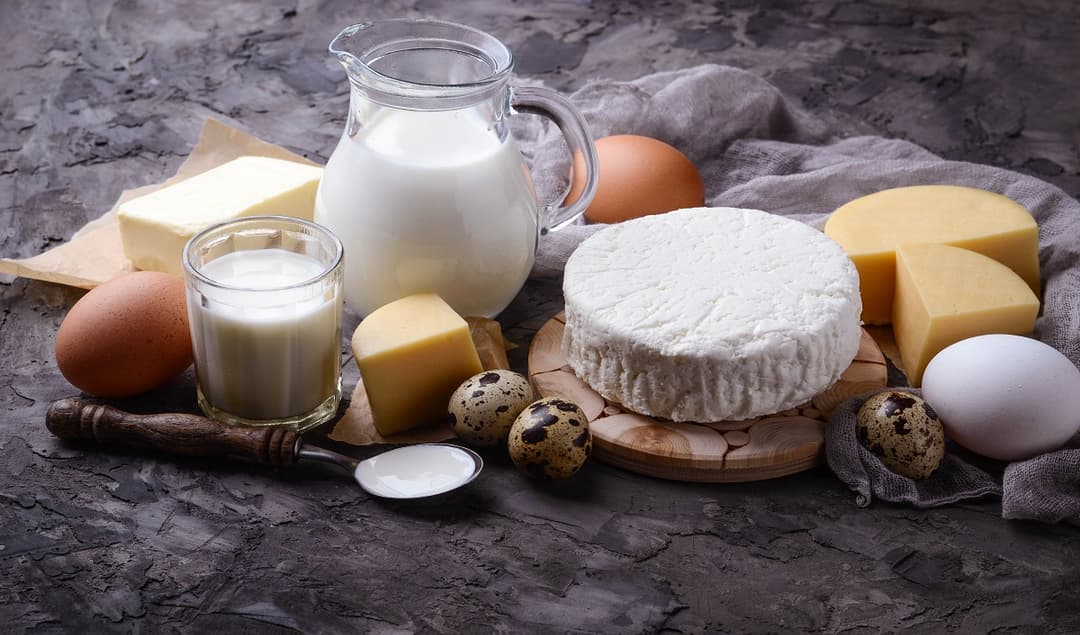
Butter oil refers to the fat-concentrate that is derived primarily from butter or cream, practically by the elimination of all the water and nonfat solids. Butteroil is a rich source of vitamin K and is generally extracted from the milk of cattles fed with growing green grass and green leaves. It should contain at least 99.3% milk fat and has long shelf life than ghee or butter.

Butter Oil Product Detail

Industrial Uses

Recombination with skimmed milk powder, Instant milk powder production, Baking, Chocolate manufacturing industry

Supplier Database

Fonterra Co-operative Group, Dairy Farmers of America Inc, Hilmar Cheese Company, Inc, Lactalis Group, FrieslandCampina, Westland Milk Products

Regional Coverage

Asia Pacific

China, India, Indonesia, Pakistan, Bangladesh, Japan, Philippines, Vietnam, Iran, Thailand, South Korea, Iraq, Saudi Arabia, Malaysia, Nepal, Taiwan, Sri Lanka, UAE, Israel, Hongkong, Singapore, Oman, Kuwait, Qatar, Australia, and New Zealand

Europe

Germany, France, United Kingdom, Italy,Spain, Russia, Turkey, Netherlands, Poland, Sweden, Belgium, Austria, Ireland Switzerland, Norway, Denmark, Romania, Finland, Czech Republic, Portugal and Greece

North America

United States and Canada

Latin America

Brazil, Mexico, Argentina, Columbia, Chile, Ecuador, and Peru

Africa

South Africa, Nigeria, Egypt, Algeria, Morocco

CurrencyUS$ (Data can also be provided in local currency)

Supplier Database AvailabilityYes

Customization ScopeThe report can be customized as per the requirements of the customer

Post-Sale Analyst Support360-degree analyst support after report delivery

Note: Our supplier search experts can assist your procurement teams in compiling and validating a list of suppliers indicating they have products, services, and capabilities that meet your company's needs.

Butter Oil Production process

  • Production of Butter Oil via Centrifugation.

Butter Oil is oil derived from butter. In order to produce Butter Oil, melted butter is passed through a centrifuge and the milk solids are separated by centrifuging it and separating the oil directly from butter.

Frequently Asked Questions

The butter oil outlook remains tied to herd-size dynamics, milk fat output, and trade flows between major dairy-exporting regions, since these determine underlying feedstock (cream and butter) availability. Reduced herd sizes and tighter supply-side conditions tend to sustain upward price-pressure, while stable production and diverse milk variants help prevent severe shortages. India's steady export trajectory continues to anchor international demand. A significant herd-size rebuild, a sharp drop in milk fat content, or resolution of major trade-policy uncertainties easing supply constraints would be the key conditions for a softer trajectory.
Butter oil prices are shaped by opposing supply and demand forces. Herd-size dynamics and milk fat output are the primary supply-side lever: reduced herd sizes and higher milk fat content tighten supply and support prices, while stable output and ample availability ease them. Trade conditions between major dairy-exporting and importing regions add a further layer of pressure when cross-border flows are disrupted. Contract activity and buyer sentiment also matter, since renewed buying interest after a period of softness can lift prices even without a change in underlying supply.
The butter oil market is led by New Zealand, Australia, the United States, France, Germany, the Netherlands, and Ireland, supported by large dairy herds and advanced processing infrastructure. Key companies include Fonterra Co-operative Group, Westland Milk Products, Dairy Farmers of America Inc, Hilmar Cheese Company, Lactalis Group, and FrieslandCampina. India is a major consumer for recombined milk and ghee production, while China, Pakistan, Bangladesh, and Middle Eastern countries rely on imports for dairy beverage and confectionery manufacturing.
Butter oil is produced from two primary feedstocks: cream and butter. From cream, whole milk is centrifuged to separate cream, which is pasteurized and pre-concentrated to 75% before phase inversion via homogenizer or churning. A final centrifugation separates buttermilk from the light-phase butter oil. From butter, 40% cream is first churned into butter, then melted butter is centrifuged to extract the oil. The finished product, standardized to at least 99.3% milk fat, is used in recombined milk, bakery, confectionery, ice cream, and infant formula.
Butter oil demand is driven by recombined milk production, where it is blended with skimmed milk powder to produce instant and recombined milk products. It is also consumed in baking to improve texture and flavor in pastries, cookies, and cakes, and in confectionery and ice cream manufacturing for its rich taste and creamy mouthfeel. Chocolate manufacturing and frozen desserts further support industrial uptake. These applications underpin steady demand, keeping butter oil more resilient than milk powders in both domestic and export markets.
Butter oil prices respond to supply-side shifts from dairy herd dynamics and trade conditions. Reduced herd sizes tighten milk fat availability, compressing butter oil supply and typically lifting prices as the effect compounds over a season. Higher milk fat content can further alter the raw-material balance. Trade uncertainties between major dairy-exporting and importing regions can disrupt cross-border flows and add upward pressure, while periods of stable milk fat output and softer buyer sentiment tend to ease prices until supply tightens again.
Procurement Resource assesses butter oil prices through a structured, data-driven methodology combining primary engagement with producers, suppliers and traders, secondary market data, monitoring of feedstock and input costs, trade-flow and inventory tracking, and exchange or spot benchmarks. All inputs are validated and translated into a transparent price assessment and outlook. The detailed methodology is available on the Procurement Resource website.


Our Price Analysis Methodology

About the Author

Siddharth David profile photo

Siddharth David

Manager - Market Research

Delivering market research and procurement intelligence at Procurement Resource with a focus on economic forecasting, commodity analysis, and client advisory to help sourcing teams make data-backed purchasing decisions.

Schedule Demo

Schedule A Demo

Experience how Procurement Resource transforms raw material price data into clear, decision ready intelligence. Optimise your performance with reliable, expert market data and analysis. Schedule your demo today to experience a live walk-through where our experts will showcase interactive price charts, forecasted prices, and insights driving the prices for your key commodities, tailored to your workflows. Contact us now!

Our Team will be happy to assist you

We are just a text away

+1

Still Need Help?

Europe & Africa

+44 7573 171117

Sales@procurementresource.com

USA & Canada

+1 307 363 1045

Sales@procurementresource.com

APAC

+91 8850629517

Sales@procurementresource.com

Other Related Reports

Milk Chocolate Production from Conching and Tempering

This report provides an extensive cost evaluation of Milk Chocolate production via conching and tempering processes.

Unlock full access to Procurement Resource's price databases, interactive charts, and short-term forecasts for thousands of commodities. Elevate your sourcing decisions by comparing prices across regions, downloading historical data, and layering in analyst-backed insights, all with our flexible plans that scale as your portfolio grows.

Still have any Questions

Contact Us
Mastercard
Wire
VISA
Stripe

Related News

View All

Why Procurement Database

Commodity Market Intelligence

Commodity Market Intelligence

Track prices, market movements, supply-demand dynamics, and industry developments across hundreds of commodities through a centralized intelligence platform built for informed procurement decisions.

Price Forecasts & Market Outlooks

Price Forecasts & Market Outlooks

Understand market fluctuations using analyst-backed forecasts, historical pricing patterns, and evolving industry trends to strengthen sourcing strategies and budget planning.

Cost & Procurement Optimization

Cost & Procurement Optimization

Leverage cost models, pricing benchmarks, and procurement insights to evaluate purchasing opportunities, improve negotiations, and enhance operational efficiency.

Global & Regional Market Insights

Global & Regional Market Insights

Access region-specific price trends, trade activities, capacity changes, and supply chain developments influencing commodity markets worldwide.

1/4