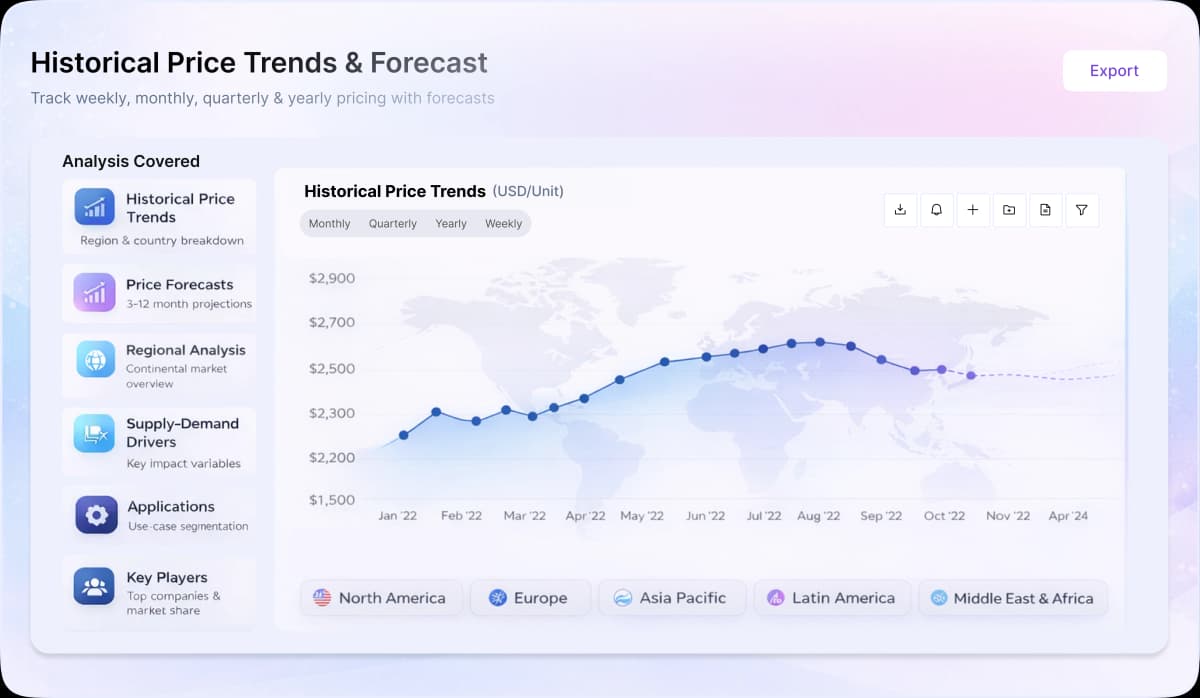
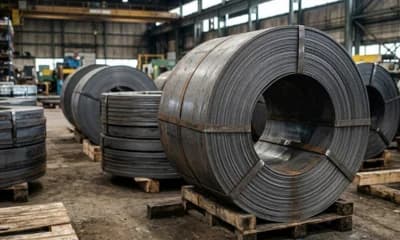
- Global Cold Rolled Coil market remained under pressure in Q1’26, as oversupply and weak industrial demand limited recovery, with only mild stabilization seen toward March due to supply control.
- Feedstock impact was mixed, as hot rolled coil input and energy costs provided limited support, while freight and logistics costs increased due to geopolitical disruptions.
- Downstream demand remained cautious, with automotive, appliance, and construction sectors operating below full capacity, restricting strong price movement.
Asia
Cold Rolled Coil prices in Asia remained weak-to-stable in Q1’26, with slight improvement toward the end of the quarter. High inventories and uneven manufacturing demand kept pressure on the market, while mills maintained cautious production due to weak margins. Export dynamics played a key role, as the Middle East absorbed over 14 million metric tons of Chinese steel in 2025, accounting for nearly 11% of total exports, making the region highly sensitive to shipping disruptions. The Iran war and Strait of Hormuz closure increased freight costs and delayed shipments, weakening export sentiment and raising delivered costs. Feedstock support remained limited as iron ore and hot rolled coil costs did not rise significantly, while downstream sectors such as automotive and appliances showed only partial recovery.
Europe
Cold Rolled Coil prices in Europe showed a firm-to-stable trend in Q1’26, supported by constrained supply and higher production costs. Trade policy measures and carbon-related compliance tightened effective supply, while import dependence exposed the market to higher freight and energy costs. Demand from the automotive and machinery sectors remained cautious, limiting stronger gains. Shipping disruptions linked to the Middle East conflict increased insurance and freight costs, raising replacement costs for imported material and supporting regional price stability despite weak consumption.
North America
Cold Rolled Coil prices in North America remained stable to firm in Q1’26, supported by domestic supply discipline and steady industrial demand. Official producer price tracking continued through March 2026, indicating stable pricing trends backed by controlled mill output. Demand from automotive, appliances, and manufacturing sectors remained consistent, preventing price declines. The Iran war and Strait of Hormuz disruption impacted the region indirectly through higher energy and logistics costs, increasing procurement expenses, but not affecting physical supply availability.