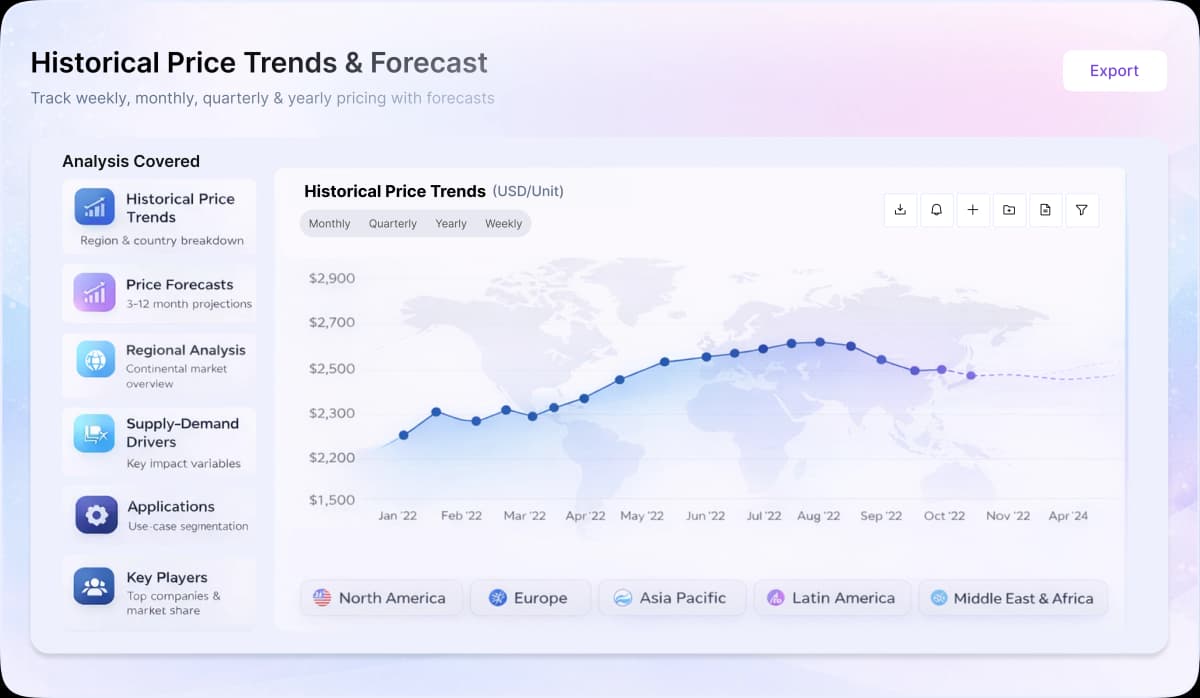
- Global diamond prices remained under pressure in H1’26 due to weak polished demand and increasing competition from lab-grown diamonds, which limited recovery.
- Upstream pressure came from disrupted rough-diamond flows, flight cancellations, and higher fuel-linked logistics costs after the Iran war and Strait of Hormuz risk.
- Downstream demand remained selective, with better support for larger natural stones, while small commercial diamonds faced pressure from weak retail buying and synthetic substitution.
Diamond prices remained weak in H1’26 as polished demand stayed cautious and rough supply faced uneven movement across key trading hubs. Asia was most affected because India, the world’s largest cutting and polishing hub, handles nine out of every 10 diamonds processed globally, while the UAE supplies more than two-thirds of India’s rough diamond imports. The Middle East conflict disrupted air cargo through Dubai, delaying rough diamond imports and polished diamond exports. The Middle East also accounts for nearly a quarter of India’s annual gems and jewellery exports of around USD 30 billion, making trade disruption a direct pressure point for Asian polishing units. In Europe, Antwerp saw better trade flow, but rough prices remained weak due to excess inventory and soft polished demand. In North America, retail demand stayed selective, supporting larger natural diamonds but not lower-value stones.
Analyst Insight
According to Procurement Resource, diamond prices may remain mixed, with larger natural stones better supported and small polished goods under pressure until retail demand improves.