Udeesha Tomar
AVP - Strategy and Solutions
Leading procurement research solutions across chemicals, materials, and food & beverages, with expertise in price forecasting and market analytics.

In the second half of 2025, glass jar prices showed a steady upward trend globally. In North America, prices increased due to higher production costs and trade restrictions on imported float glass. U.S. manufacturers faced challenges from new antidumping measures, which required large upfront cash deposits, pushing some companies to source more from domestic producers. This contributed to higher costs for construction and packaging-related glass products.
In Europe, glass jar prices remained mostly stable but showed slight increases in certain markets. Regulatory changes around recycling and packaging responsibility affected production costs, especially for recycled glass used in jars. Some manufacturers adjusted prices cautiously to reflect these added expenses while maintaining steady supply.
In Asia, particularly in Japan and China, prices rose moderately. Japanese producers focused on efficiency improvements and better yields from existing production lines, while Chinese manufacturers expanded capacity for industrial and packaging glass, including jars. Rising demand and strategic production planning supported price increases across the region.
Analyst Insight
According to Procurement Resource, Glass Jar prices are expected to continue a moderate upward trend in the near term, driven by ongoing demand, trade policies, and production cost pressures.
Need Latest Glass Jars Prices?
Get real-time price assessments, periodic trends, forecasts and price driver insights across key global markets.
Our Clients






























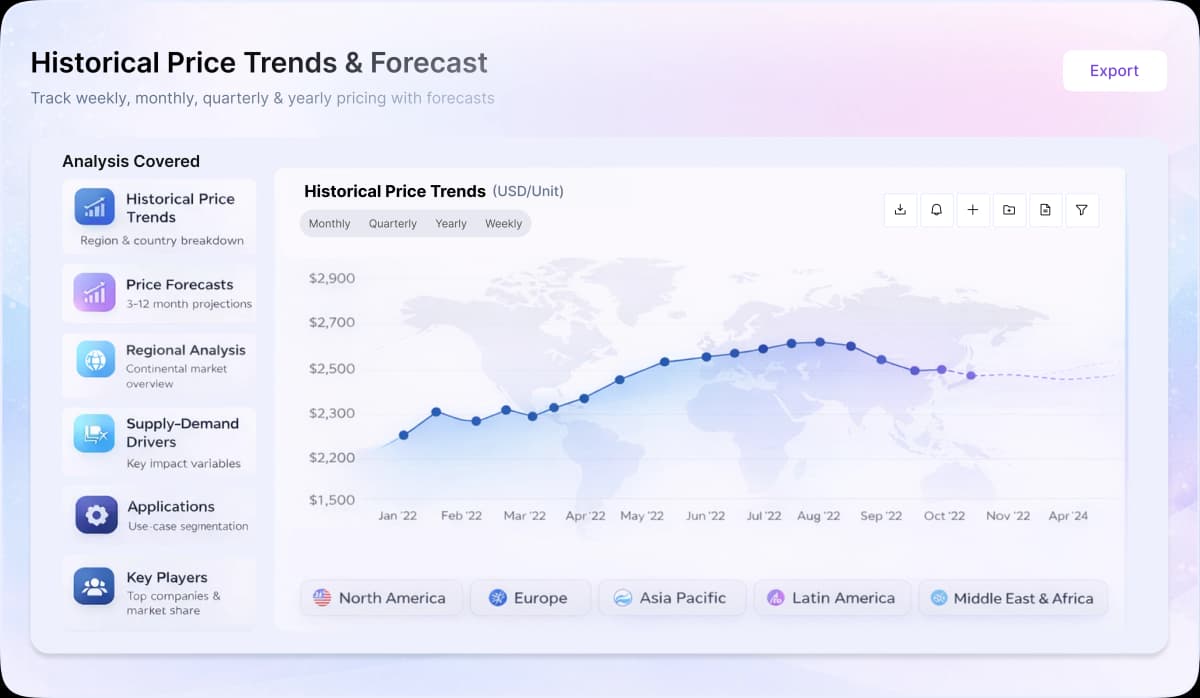
Turn price intelligence into action with the Procurement Resource Database. Log in or subscribe to unlock live price trends, historical charts, supplier databases, cost curves, and analyst-backed insights across chemicals, agriculture, energy, packaging, and more. Use these tools to benchmark your contracts, plan budgets with confidence, and stay ahead of market moves on every product you buy.
0
+Products
0
+Regions
0
+Subscriptions
In the first half of 2025, glass jar prices saw mixed trends across regions, with a general leaning toward decline. In Asia, the market softened due to falling demand in the photovoltaic glass sector and an oversupply situation caused by the launch of new production lines. This led to excess stock, and while producers tried to hold prices, the imbalance between supply and demand kept overall market activity slow. These trends also affected glass jars, especially as weaker purchasing interest spread across various glass segments.
Europe showed more stability in glass jar pricing. Although consumer sentiment remained cautious, certain packaging segments, like spirits, saw moderate growth. This helped support glass jar demand to some extent. However, restructuring in the industry, including plant closures, hinted at ongoing efforts to manage cost and efficiency, which limited any major price increases.
In North America, prices for glass jars came under pressure due to weaker demand, particularly in packaging glass. The closure of several production sites and a slump in wine bottle demand reduced overall output. While beer and spirits packaging held steady, it wasn’t enough to balance the slowdown.
Future Outlook
Glass jar prices may face continued pressure in Asia, while Europe and North America could remain stable but cautious depending on demand recovery.
Glass jars are containers characterized by their transparent and durable properties, typically made from silica-based materials. They come in various shapes, sizes, and designs, offering versatility for packaging a wide range of products. Glass jars provide excellent barrier properties, protecting contents from moisture, oxygen, and contaminants while preserving freshness and flavor. Their non-reactive nature makes them ideal for storing food, beverages, cosmetics, and pharmaceuticals. Additionally, glass jars are reusable, recyclable, and environmentally friendly, aligning with consumer preferences for sustainable packaging options.
Packaging, Cosmetics, Pharmaceuticals
Ardagh Packaging Group Plc, Owens Illinois Inc, Alpha Group, Verallia Packaging SAS, Aptar Group, AGI Glasspack Ltd
CurrencyUS$ (Data can also be provided in local currency)
Supplier Database AvailabilityYes
Customization ScopeThe report can be customized as per the requirements of the customer
Post-Sale Analyst Support360-degree analyst support after report delivery
Note: Our supplier search experts can assist your procurement teams in compiling and validating a list of suppliers indicating they have products, services, and capabilities that meet your company's needs.
Our Price Analysis Methodology
AVP - Strategy and Solutions
Leading procurement research solutions across chemicals, materials, and food & beverages, with expertise in price forecasting and market analytics.
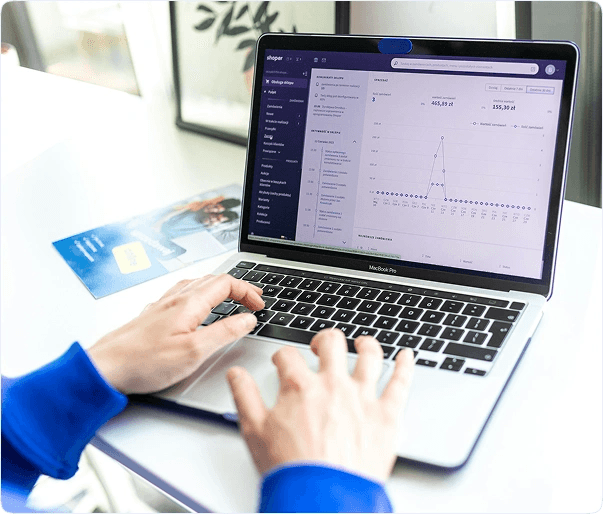
Experience how Procurement Resource transforms raw material price data into clear, decision ready intelligence. Optimise your performance with reliable, expert market data and analysis. Schedule your demo today to experience a live walk-through where our experts will showcase interactive price charts, forecasted prices, and insights driving the prices for your key commodities, tailored to your workflows. Contact us now!
Our Team will be happy to assist you
We are just a text away
Still Need Help?
Unlock full access to Procurement Resource's price databases, interactive charts, and short-term forecasts for thousands of commodities. Elevate your sourcing decisions by comparing prices across regions, downloading historical data, and layering in analyst-backed insights, all with our flexible plans that scale as your portfolio grows.
Still have any Questions
Contact Us



Price Trend Dashboard - What's Included
Price trends across a diverse portfolio of categories and products, spanning board to niche chemicals
Coverage extendable to grade-specific chemicals based on procurement requirements
Regular price tracking supported by robust historical datasets
News, policy updates, and key market drivers impacting price movements
Short-term and long-term price outlooks and forecasts
Supply–demand dynamics and capacity-driven market analysis

Track prices, market movements, supply-demand dynamics, and industry developments across hundreds of commodities through a centralized intelligence platform built for informed procurement decisions.

Understand market fluctuations using analyst-backed forecasts, historical pricing patterns, and evolving industry trends to strengthen sourcing strategies and budget planning.

Leverage cost models, pricing benchmarks, and procurement insights to evaluate purchasing opportunities, improve negotiations, and enhance operational efficiency.
Access region-specific price trends, trade activities, capacity changes, and supply chain developments influencing commodity markets worldwide.