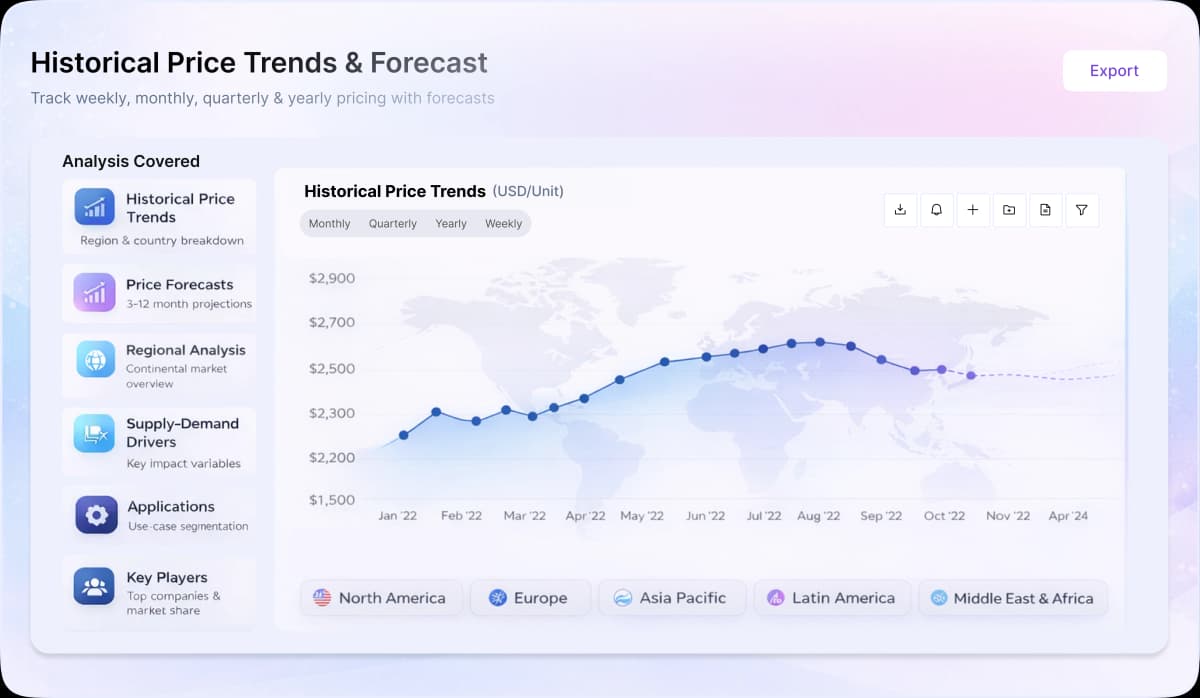
- Global HDPE (Blow Molding) prices moved sharply upward during Q1’26 as supply disruptions, rising crude oil prices, and freight volatility tightened polyethylene availability across key markets.
- Ethylene and naphtha costs strengthened significantly after the escalation of the Iran conflict and disruption in Strait of Hormuz shipping routes, sharply increasing PE production economics.
- Demand from packaging, industrial containers, automotive components, and agricultural applications remained moderate, while supply-side constraints became the dominant market driver.
HDPE (Blow Molding) prices in Asia, particularly China, remained weak during early Q1’26 due to rising inventories, restarted domestic PE units, and subdued downstream demand ahead of the Lunar New Year. However, the market reversed sharply during March as escalating Iran conflict risks disrupted shipping through the Strait of Hormuz, which handles nearly one-fifth of global oil flows. The Middle East accounted for more than 40% of global polyethylene exports, and tightening cargo availability significantly increased replacement costs across Asian markets. Gulf oil exports reportedly declined by nearly 60% during the peak disruption period, while vessel transits through Hormuz dropped from typical levels of 125–140 vessels daily to nearly 11 vessels, severely tightening petrochemical logistics. Rising crude oil and naphtha costs sharply increased HDPE production economics, while traders strengthened offers amid lower inventories and expectations of delayed PE cargo arrivals. Despite only moderate downstream demand from packaging and blow molding sectors, supply contraction and freight volatility continued driving aggressive market gains.