- Lead ingot prices declined across major markets in Q1 2026, with the sharpest fall recorded in India, followed by China, the USA, Canada, and Brazil.
- Feedstock availability from lead concentrates and recycled battery scrap remained adequate, keeping smelter cost pressure limited despite freight and energy risks.
- Downstream demand from lead-acid batteries, automotive replacement, UPS systems, and industrial storage stayed moderate, with buyers avoiding excess inventories.
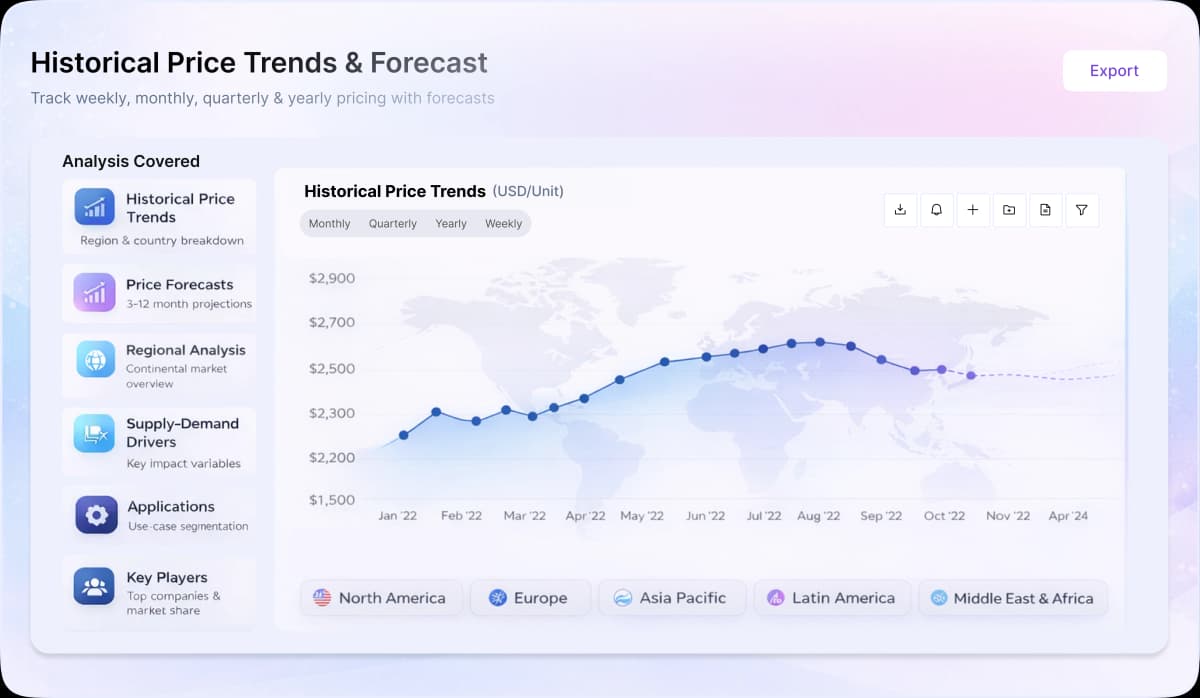
Lead ingot prices showed a consistent downward trend in Q1 2026 as stable refined lead availability and cautious battery-sector procurement weighed on market sentiment. The decline was broad-based across Asia and the Americas, indicating that weak downstream buying had a stronger impact than geopolitical freight concerns. In China, prices fell from USD 2,480.5432/MT in January to USD 2,392.24/MT in March, showing a 3.56% decrease. India recorded the steepest fall, with prices dropping from USD 2,589.2156/MT to USD 2,447.24/MT, down 5.48%, as battery manufacturers maintained limited restocking. In the USA, prices declined from USD 2,565.9260/MT to USD 2,479.24/MT, marking a 3.38% decrease. Brazil eased by 2.22%, from USD 2,546.7329/MT to USD 2,490.24/MT, while Canada declined by 3.26%, from USD 2,565.9260/MT to USD 2,482.24/MT. The Iran war and Strait of Hormuz disruption raised freight and energy concerns, but sufficient secondary lead supply and slow procurement kept prices under pressure.
Analyst Insight
According to Procurement Resource, near-term lead ingot prices may remain soft if battery demand stays cautious and recycled lead availability remains steady.
Related Report