

Udeesha Tomar
AVP - Strategy and Solutions
Leading procurement research solutions across chemicals, materials, and food & beverages, with expertise in price forecasting and market analytics.

Asia
In 2025, the LABSA market in Asia showed mixed movements influenced by demand recovery and cost changes. Early in the year, buying activity stayed moderate as detergent and cleaning product manufacturers focused on cautious procurement. Demand improved after major holidays, supported by steady consumption of household and personal care products. However, buyers remained cautious due to uncertain economic conditions and sufficient product availability. Feedstock cost movements played an important role, as changes in LAB and crude oil prices affected production costs. Environmental regulations in some countries encouraged the use of biodegradable surfactants, which supported LABSA usage, but competition among suppliers limited strong upward momentum.
Europe
The European LABSA market in 2025 remained largely stable but under pressure for most of the year. Demand from detergent, FMCG, and industrial cleaning sectors stayed steady but lacked strong growth. High inventories and balanced supply conditions reduced urgency among buyers. Producers faced intense competition and adjusted sales strategies to maintain market share. Export demand weakened at times, adding pressure on suppliers to focus more on domestic sales. Feedstock cost fluctuations offered limited support, and economic uncertainty made buyers sensitive. Overall, the market moved within a narrow range, with no major supply disruptions to significantly change the trend.
North America
In North America, LABSA prices remained relatively firm compared with other regions during 2025. Demand from cleaning and hygiene product manufacturers stayed consistent, supported by stable consumer usage. Supply chain challenges, including labor and logistics issues, affected product movement at different points, which helped maintain market balance. Producers focused on managing inventories carefully and avoided aggressive price competition. Export demand softened later in the year as overseas buyers reduced purchases, but domestic demand helped offset this impact.
Analyst Insight
According to Procurement Resource, LABSA prices are expected to remain mostly stable, with demand growing gradually and buyers continuing to follow a cautious purchasing approach.
Related Report
Need Latest Linear Alkylbenzene Sulfonic Acid Prices?
Get real-time price assessments, periodic trends, forecasts and price driver insights across key global markets.
Our Clients































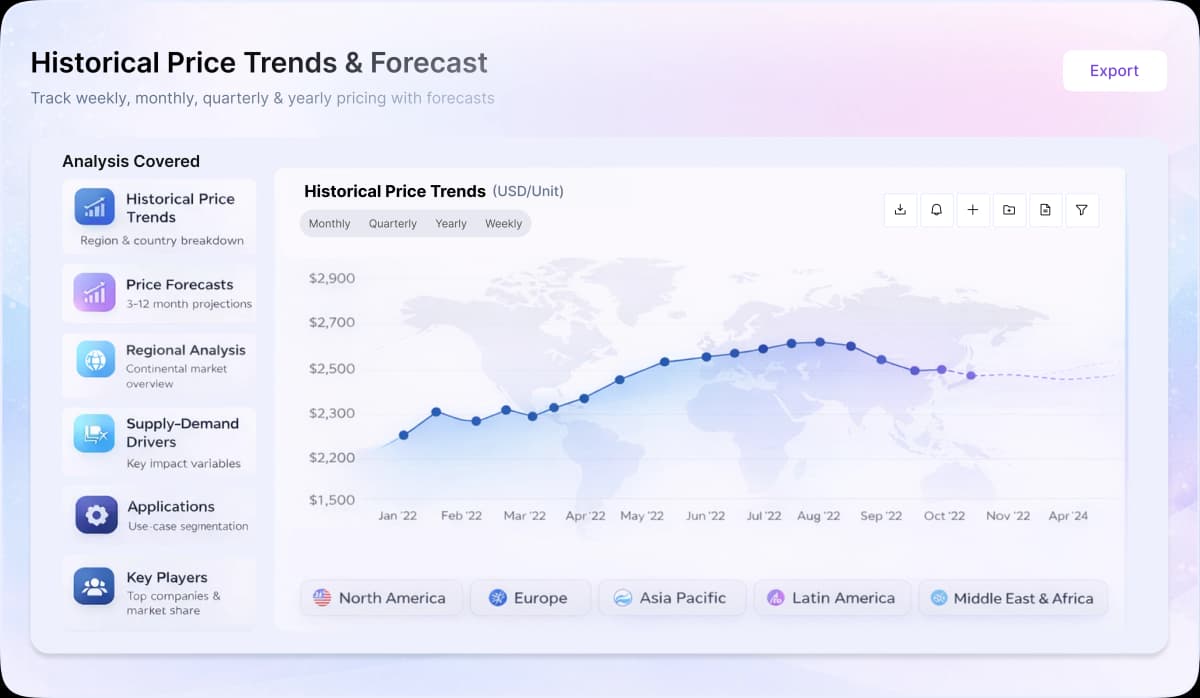
Turn price intelligence into action with the Procurement Resource Database. Log in or subscribe to unlock live price trends, historical charts, supplier databases, cost curves, and analyst-backed insights across chemicals, agriculture, energy, packaging, and more. Use these tools to benchmark your contracts, plan budgets with confidence, and stay ahead of market moves on every product you buy.
0
+Products
0
+Regions
0
+Subscriptions
Asia
During the fourth quarter of 2024, the LABSA market in Asia showed a mostly weak trend. Demand from detergent and cleaning product manufacturers slowed as seasonal consumption eased toward the year end. Buyers in major markets such as China and India followed a cautious buying approach and focused mainly on short-term requirements. Adequate supply availability across the region limited any strong upward movement. At the same time, falling feedstock costs, including sulfur-based inputs and LAB, reduced production pressure for manufacturers. In China, supply tightness in upstream chemicals supported sentiment early in the quarter, but this effect weakened later as negotiations increased and buyers pushed back on offers.
Europe
In Europe, LABSA prices followed a stable to slightly weak trend throughout Q4’24. Demand from surfactant, detergent, and industrial cleaning sectors softened as winter approached and manufacturing activity slowed. Although upstream sulfuric acid markets experienced some supply limitations and cost pressure earlier in the quarter, this did not translate into strong support for LABSA. Buyers held sufficient inventories and delayed purchases due to economic uncertainty. Competitive market conditions and steady supply availability further restricted price gains.
North America
The North American LABSA market remained relatively stable during the fourth quarter of 2024. Demand from cleaning and hygiene product manufacturers weakened slightly, but logistical disruptions and labor related supply chain issues helped maintain market balance. Limited availability of some upstream materials and reliance on long-term supply contracts supported stability. Producers managed inventories carefully and avoided aggressive price changes. Export activity faced pressure from global competition, but domestic demand prevented sharp market declines.
Linear Alkylbenzene Sulfonic Acid (LABSA) is an anionic surfactant containing hydrophobic and hydrophilic groups on the molecules. It is a sulfonated chemical that isn't volatile. It is a complex mixture of homologues of different alkyl chain lengths (C10 to C13 or C14) and phenyl positional isomers of 2 to 5-phenyl in proportions dictated by the starting materials and reaction conditions, each containing an aromatic ring sulfonated at the para position and attached to a linear alkyl chain at any position except the terminal one (1-phenyl).
CH3(CH2)11C6H4SO3H
Detergent, Emulsifier, Coupling Agent, Agricultural Herbicide
Dodecylbenzene Sulfonic Acid, Laurylbenzenesulfonic Acid, Laurylbenzenesulfonate, n-Dodecylbenzene Sulfonic Acid
Miwon Chemical, Hansa AG, Arabian Sulfonates Company, Lion Specialty Chemicals, Stepan Company
CurrencyUS$ (Data can also be provided in local currency)
Supplier Database AvailabilityYes
Customization ScopeThe report can be customized as per the requirements of the customer
Post-Sale Analyst Support360-degree analyst support after report delivery
Note: Our supplier search experts can assist your procurement teams in compiling and validating a list of suppliers indicating they have products, services, and capabilities that meet your company's needs.
Sulfonation of linear alkylbenzene (LAB) produces linear alkylbenzene sulfonic acid. The procedure takes place in the presence of sulphur trioxide (SO), oleum, or sulphuric acid as sulfonating agents.
Our Price Analysis Methodology
AVP - Strategy and Solutions
Leading procurement research solutions across chemicals, materials, and food & beverages, with expertise in price forecasting and market analytics.
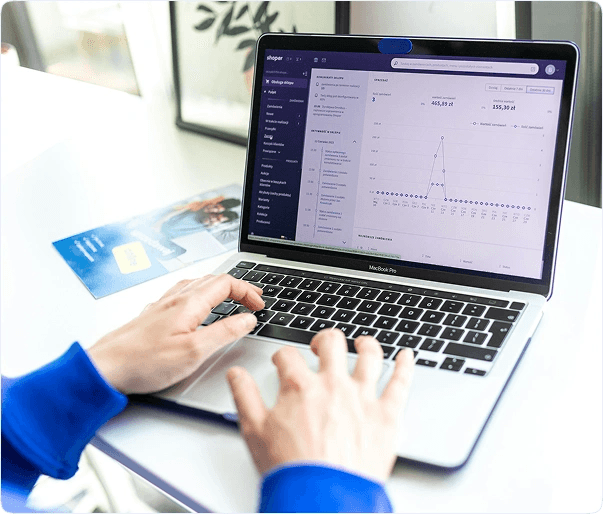
Experience how Procurement Resource transforms raw material price data into clear, decision ready intelligence. Optimise your performance with reliable, expert market data and analysis. Schedule your demo today to experience a live walk-through where our experts will showcase interactive price charts, forecasted prices, and insights driving the prices for your key commodities, tailored to your workflows. Contact us now!
Our Team will be happy to assist you
We are just a text away
Still Need Help?
Unlock full access to Procurement Resource's price databases, interactive charts, and short-term forecasts for thousands of commodities. Elevate your sourcing decisions by comparing prices across regions, downloading historical data, and layering in analyst-backed insights, all with our flexible plans that scale as your portfolio grows.
Still have any Questions
Contact Us



Price Trend Dashboard - What's Included
Price trends across a diverse portfolio of categories and products, spanning board to niche chemicals
Coverage extendable to grade-specific chemicals based on procurement requirements
Regular price tracking supported by robust historical datasets
News, policy updates, and key market drivers impacting price movements
Short-term and long-term price outlooks and forecasts
Supply–demand dynamics and capacity-driven market analysis

Track prices, market movements, supply-demand dynamics, and industry developments across hundreds of commodities through a centralized intelligence platform built for informed procurement decisions.

Understand market fluctuations using analyst-backed forecasts, historical pricing patterns, and evolving industry trends to strengthen sourcing strategies and budget planning.

Leverage cost models, pricing benchmarks, and procurement insights to evaluate purchasing opportunities, improve negotiations, and enhance operational efficiency.
Access region-specific price trends, trade activities, capacity changes, and supply chain developments influencing commodity markets worldwide.