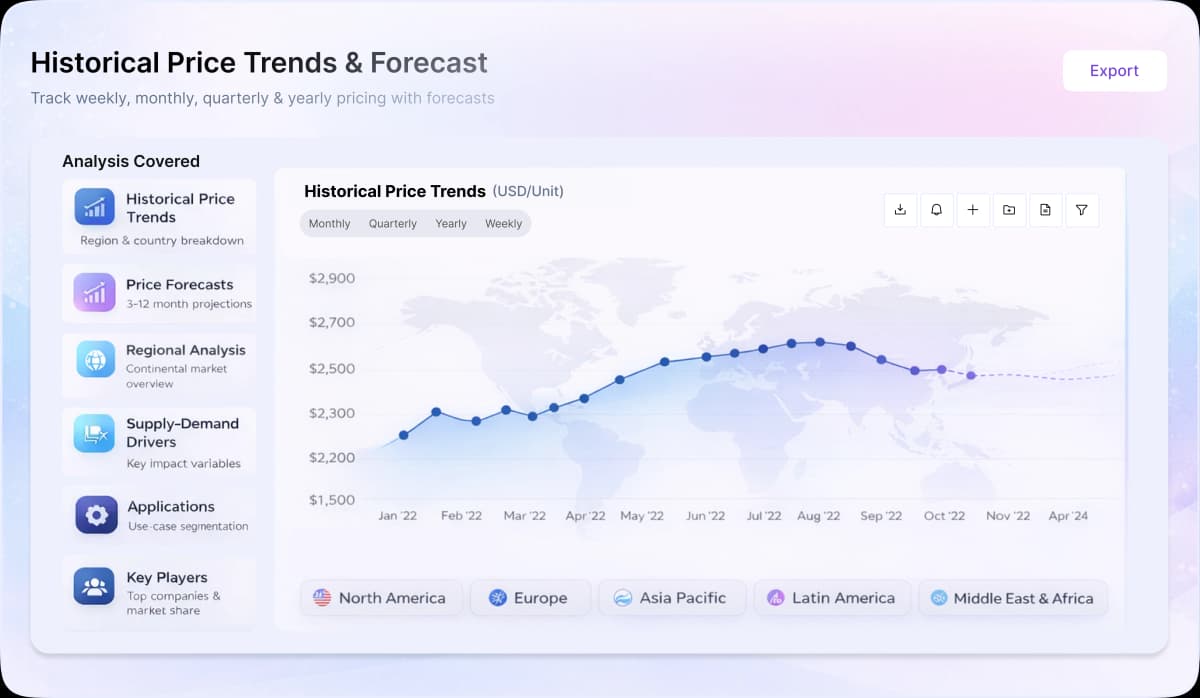
- Global LLDPE prices increased during Q1 2026, with strength in January, weakness in February, and a sharper recovery in March as cost and supply pressures intensified.
- Feedstock-related cost support remained firm throughout the quarter, while import delays and tighter regional availability supported market sentiment.
- Downstream demand was uneven, as holiday-related weakness in February was followed by a gradual recovery in the packaging and agricultural film sectors.
Asia
The Asian LLDPE market followed a fluctuating trend during Q1 2026, with prices rising in January, softening in February, and rebounding strongly in March. In China, prices were approximately RMB 6.72/kg (Spot) in January and around RMB 8.23/kg in March, reflecting an increase of about 23.84% over the quarter. January gains were supported by firm cost conditions and expectations of tighter imports. In February, the market weakened due to the Lunar New Year holiday, reduced downstream operating rates, weak procurement activity, and inventory accumulation. In March, prices rose again as plant maintenance, delayed imports, and stronger cost pressure tightened supply. Post-holiday restocking and the seasonal recovery in packaging and agricultural film demand also supported the market. In Thailand, prices were approximately THB 25.68/kg (CFR) in January and around THB 30.79/kg in March, representing an increase of about 16.46%. The rise was mainly driven by higher import costs, constrained regional supply, and logistics disruptions affecting cargo arrivals.
Europe
In the first quarter of 2026, the market for LLDPE in Europe saw an upward trend. While prices were close to EUR 0.78/kg (FOB NWE) in January, they reached EUR 0.88/kg in March, indicating a rise of approximately 11.54%. The market experienced an uptrend amid higher energy and raw material costs and also due to low supply as a result of transport disruption and lower imports, even as weak industry demand and prudent buying kept price growth steady.
North America
In Q1 2026, the LLDPE market in North America stayed strong and consistent with the overall cost-based market trends witnessed globally. Higher production costs and the global supply concerns underpinned the market, whereas domestic supply and packaging & industrial demand maintained market stability. Buyers remained cautious and focused on short-term purchasing.







































.webp&w=1080&q=75)


