Locust Bean Gum Price Trend Analysis 2026: Supply Demand Analysis, Latest News, Market Insights, Historical Prices & Price Drivers

Siddharth David profile photo
Written BySiddharth David

Procurement Resource Database

Laptop screen

Turn price intelligence into action with the Procurement Resource Database. Log in or subscribe to unlock live price trends, historical charts, supplier databases, cost curves, and analyst-backed insights across chemicals, agriculture, energy, packaging, and more. Use these tools to benchmark your contracts, plan budgets with confidence, and stay ahead of market moves on every product you buy.

0

+

Products

0

+

Regions

0

+

Subscriptions

  • Locust bean gum prices stayed mostly firm in Q1’26 as Mediterranean carob availability remained sensitive to weather and crop collection conditions.
  • Feedstock pressure came from carob seed availability, with Spain and Portugal remaining important supply bases for carob-derived gum.
  • Downstream demand stayed steady from dairy, bakery, sauces, frozen foods, and clean-label formulations.

Locust bean gum prices showed a stable to slightly upward trend in Q1’26, mainly supported by steady demand and cautious supply conditions. The main upstream factor was carob seed availability from Mediterranean countries, where weather conditions such as heavy rainfall and strong winds affected harvesting and kept supply sentiment tight. This limited aggressive selling and supported prices. On the demand side, consumption remained stable as locust bean gum continued to be widely used in dairy products like ice cream, as well as in bakery fillings, sauces, dressings, and clean-label food formulations. Buyers maintained regular purchasing but avoided large stockpiling due to sufficient inventory levels. Trade flows remained active, with steady movement of goods between exporting regions; however, by the last month of the quarter, some logistical disruptions were witnessed amid the partial closure of the Strait of Hormuz. Overall, the locust bean gum price curve fluctuated in a narrow range during the first quarter of 2026.

About Locust Bean Gum

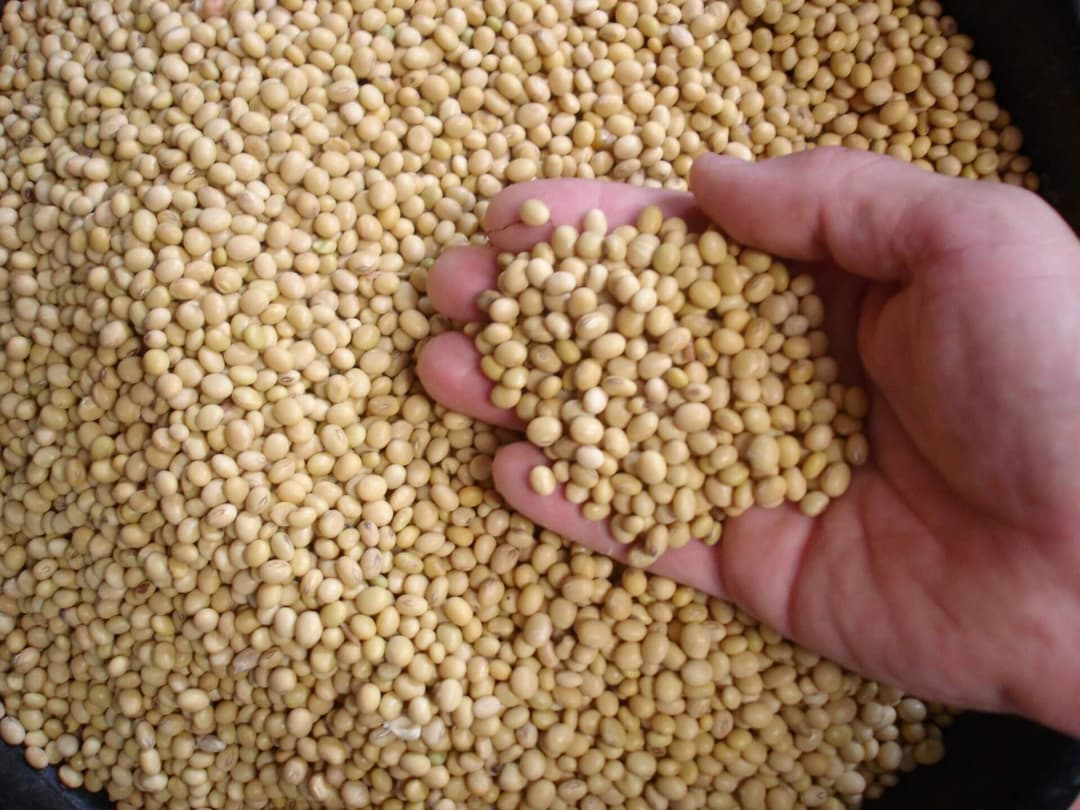
Locust bean gum (LBG), a white to yellow powder, is a galactomannan vegetable gum. It is extracted from the seeds of Ceratonia siliquia tree, commonly known as carob tree and is also utilised as a thickening agent in food products. The bean, upon its conversion to powder tastes sweet with a flavour similar to that of chocolate.

Locust Bean Gum Product Detail

Synonyms

Carob Gum, Carob Bean Gum, Carobin, E410

Industrial Uses

Thickening and texturising agent, Pet food Cosmetics, Cigarette, Mining products, Paper making, Textiles, Dairy products and ice creams, Cheese and other pasteurised cheese products, Guar gum substitute

Supplier Database

Carob, S.A, Incom Company, TIC Gums, Inc, Compañía Española de Algas Marinas S.A. (CEAMSA)

Regional Coverage

Asia Pacific

China, India, Indonesia, Pakistan, Bangladesh, Japan, Philippines, Vietnam, Iran, Thailand, South Korea, Iraq, Saudi Arabia, Malaysia, Nepal, Taiwan, Sri Lanka, UAE, Israel, Hongkong, Singapore, Oman, Kuwait, Qatar, Australia, and New Zealand

Europe

Germany, France, United Kingdom, Italy,Spain, Russia, Turkey, Netherlands, Poland, Sweden, Belgium, Austria, Ireland Switzerland, Norway, Denmark, Romania, Finland, Czech Republic, Portugal and Greece

North America

United States and Canada

Latin America

Brazil, Mexico, Argentina, Columbia, Chile, Ecuador, and Peru

Africa

South Africa, Nigeria, Egypt, Algeria, Morocco

CurrencyUS$ (Data can also be provided in local currency)

Supplier Database AvailabilityYes

Customization ScopeThe report can be customized as per the requirements of the customer

Post-Sale Analyst Support360-degree analyst support after report delivery

Note: Our supplier search experts can assist your procurement teams in compiling and validating a list of suppliers indicating they have products, services, and capabilities that meet your company's needs.

Locust Bean Gum Production Process

  • Production of Locust Bean Gum via Extraction

In order to produce Locust Bean Gum, the seeds of the carob tree are collected, followed by their deskinning via acid treatment. Then, the obtained seeds are split and milled, followed by the separation of endosperms and germs via sieving. The obtained endosperms are finally ground to obtain Locust Bean Gum powder.

Our Price Analysis Methodology

About the Author

Siddharth David profile photo

Siddharth David

Manager - Market Research

Delivering market research and procurement intelligence at Procurement Resource with a focus on economic forecasting, commodity analysis, and client advisory to help sourcing teams make data-backed purchasing decisions.

Schedule Demo

Schedule a demo

Experience how Procurement Resource transforms raw material price data into clear, decision ready intelligence. Optimise your performance with reliable, expert market data and analysis. Schedule your demo today to experience a live walk-through where our experts will showcase interactive price charts, forecasted prices, and insights driving the prices for your key commodities, tailored to your workflows. Contact us now!

Our Team will be happy to assist you

We are just a text away

+1

Still Need Help?

Europe & Africa

+44 7573 171117

[email protected]

USA & Canada

+1 307 363 1045

[email protected]

APAC

+91 8850629517

[email protected]

Other Related Reports

Locust Bean Gum Production from Extraction

This report provides the cost structure of locust bean gum production from the extraction method. In this method, first the seeds of the carob tree are separated from the pulp.

Unlock full access to Procurement Resource's price databases, interactive charts, and short-term forecasts for thousands of commodities. Elevate your sourcing decisions by comparing prices across regions, downloading historical data, and layering in analyst-backed insights, all with our flexible plans that scale as your portfolio grows.

Still have any Questions

Contact Us
Mastercard
Wire
VISA
Stripe

Related News

View All

Why Procurement Database

Commodity Market Intelligence

Commodity Market Intelligence

Track prices, market movements, supply-demand dynamics, and industry developments across hundreds of commodities through a centralized intelligence platform built for informed procurement decisions.

Price Forecasts & Market Outlooks

Price Forecasts & Market Outlooks

Understand market fluctuations using analyst-backed forecasts, historical pricing patterns, and evolving industry trends to strengthen sourcing strategies and budget planning.

Cost & Procurement Optimization

Cost & Procurement Optimization

Leverage cost models, pricing benchmarks, and procurement insights to evaluate purchasing opportunities, improve negotiations, and enhance operational efficiency.

Global & Regional Market Insights

Global & Regional Market Insights

Access region-specific price trends, trade activities, capacity changes, and supply chain developments influencing commodity markets worldwide.

1/4