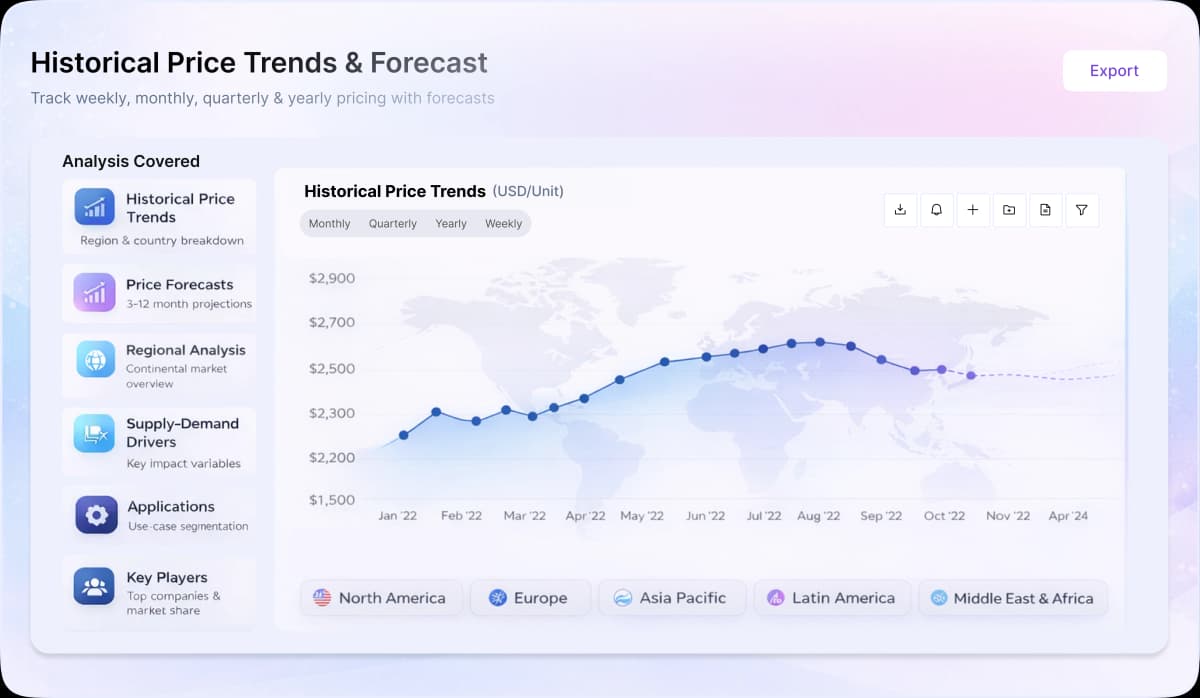
- Global methyl ethyl ketone trends showed a mixed-to-firm pattern in Q1’26, with early softness from ample supply followed by a sharp rebound in March driven by tightening availability and freight uncertainty linked to geopolitical tensions.
- Feedstock conditions remained stable as butanol availability supported production, though energy and shipping disruptions raised cost pressure across regions.
- Downstream demand remained moderate, with gradual recovery from coatings, adhesives, and printing inks supporting consumption later in the quarter.
Asia
Methyl Ethyl Ketone prices in Asia followed a weak-to-strong trajectory in Q1’26, starting with balanced supply and subdued demand, then strengthening sharply in March due to tightening availability and improved buying interest. In India, the prices were ~111.05 INR/kg (CIF) in January and ~125.16 INR/kg (CIF) in March. Last quarter prices were ~2.19% lower than Q1’26 prices, while prices increased by ~12.71% from January to March. Supply remained supported by stable butanol feedstock, while downstream demand from paints, coatings, and printing inks improved gradually. The Iran war and Strait of Hormuz disruption increased freight and tanker costs, raising landed cost pressure and supporting late-quarter recovery.
Europe
Methyl Ethyl Ketone prices in Europe followed an upward trend toward the end of Q1’26 after a relatively stable start, supported by rising logistics and energy costs. Supply remained adequate through most of the quarter, but higher marine fuel, insurance premiums, and freight rates following the Strait of Hormuz closure increased delivered costs. Demand from coatings, automotive refinishing, and industrial solvents remained moderate but stable, allowing cost-side pressure to pass through into market sentiment.
North America
Methyl Ethyl Ketone prices in North America showed a stable-to-firm trend in Q1’26, strengthening toward the quarter close. Domestic production remained steady due to stable feedstock supply, but rising export-linked freight costs and higher insurance rates following the Iran war supported an upward movement. Downstream demand from paints, coatings, and adhesives remained consistent, while global supply chain disruption influenced replacement costs and supported firmer market conditions.