Milk Chocolate Price Trend Analysis 2026: Price Drivers, Market Insights, Historical Prices, Latest News & Supply Demand Analysis

Siddharth David profile photo
Written BySiddharth David

Procurement Resource Database

Laptop screen

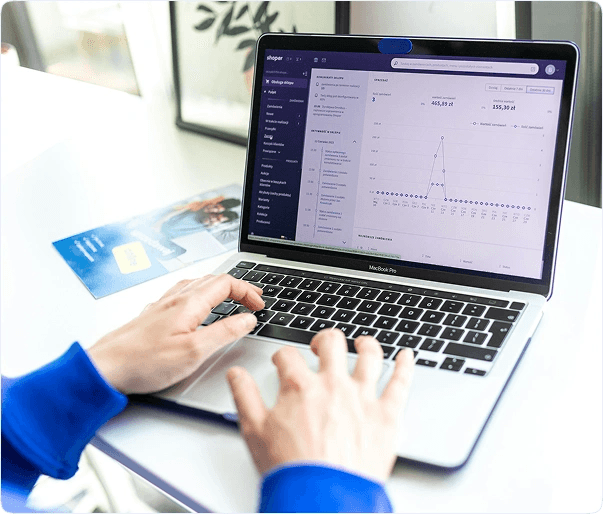
Turn price intelligence into action with the Procurement Resource Database. Log in or subscribe to unlock live price trends, historical charts, supplier databases, cost curves, and analyst-backed insights across chemicals, agriculture, energy, packaging, and more. Use these tools to benchmark your contracts, plan budgets with confidence, and stay ahead of market moves on every product you buy.

0

+

Products

0

+

Regions

0

+

Subscriptions

About Milk Chocolate

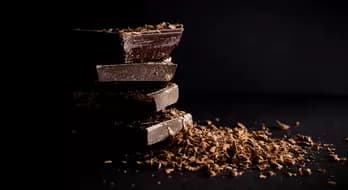
Milk Chocolate is basically a solid chocolate that is made of or produced with milk. Milk is added to the chocolate in the powdered form, liquid form, or condensed form. Milk Chocolate is widely utilised commercially because of its unique properties, texture and flavours.

Milk Chocolate Product Detail

Industrial Uses

Syrup, Cookies, Muffins, Bars, Cakes and Pastries, Ice Creams

Supplier Database

The Hershey Company, Nestlé S.A, Ferrero U.S.A., Inc, Barry Callebaut AG, Mondelez International, Blommer Chocolate Company

Regional Coverage

Asia Pacific

China, India, Indonesia, Pakistan, Bangladesh, Japan, Philippines, Vietnam, Iran, Thailand, South Korea, Iraq, Saudi Arabia, Malaysia, Nepal, Taiwan, Sri Lanka, UAE, Israel, Hongkong, Singapore, Oman, Kuwait, Qatar, Australia, and New Zealand

Europe

Germany, France, United Kingdom, Italy,Spain, Russia, Turkey, Netherlands, Poland, Sweden, Belgium, Austria, Ireland Switzerland, Norway, Denmark, Romania, Finland, Czech Republic, Portugal and Greece

North America

United States and Canada

Latin America

Brazil, Mexico, Argentina, Columbia, Chile, Ecuador, and Peru

Africa

South Africa, Nigeria, Egypt, Algeria, Morocco

CurrencyUS$ (Data can also be provided in local currency)

Supplier Database AvailabilityYes

Customization ScopeThe report can be customized as per the requirements of the customer

Post-Sale Analyst Support360-degree analyst support after report delivery

Note: Our supplier search experts can assist your procurement teams in compiling and validating a list of suppliers indicating they have products, services, and capabilities that meet your company's needs.

Milk Chocolate Production Process

  • Production of Milk Chocolate via Conching and Tempering: To produce Milk Chocolate, cocoa liquor is first derived from the cocoa nibs of the cocoa beans. Cocoa nibs are roasted and ground to a very fine, liquid mass, the cocoa liquor, which is one of the main ingredients of chocolate. Then, cocoa liquor is mixed with cocoa butter, sugar, and milk powder to form a fine chocolate powder which is finally conched in a conching press. The obtained product is caramelised to produce Milk Chocolate.

Frequently Asked Questions

The milk chocolate current outlook remains firm, supported by sustained price momentum. Tight cocoa supply driven by El Niño weather disruption in key growing regions, elevated feedstock costs, and strong European consumption of cocoa, butter, and chocolate underpin the bullish view. Any meaningful softening would require restored cocoa output, easing of Russia-Ukraine-linked food inflation, and a pullback in Asian Pacific demand.
Milk chocolate prices rise across Asia Pacific when short cocoa supply, driven by El Niño-related hotter, drier conditions across the central and eastern tropical Pacific, reduces cocoa production and pushes feedstock costs higher. This is compounded by food market inflation linked to the Russia-Ukraine crisis, elevating costs for sugar, cocoa butter, and other inputs. Accelerated export supply from India, Thailand, and Mainland China adds further upward pressure, while high cocoa and chocolate consumption in Europe sustains firm demand, preventing any meaningful price correction.
The global milk chocolate market is shaped by dominant manufacturers including Barry Callebaut AG, Blommer Chocolate Company, Mondelez International, The Hershey Company, Nestlé S.A., and Ferrero U.S.A., Inc. Production and export activity concentrates in Asia Pacific, with India, Thailand, and Mainland China as key exporters, while Europe and North America are principal consumption hubs. Cocoa bean supply remains concentrated in West Africa, creating structural supply vulnerability. Extreme weather such as El Niño has tightened cocoa supply, amplifying input cost pressure across the entire value chain.
Milk chocolate is made from cocoa beans, sugar, milk (powdered, liquid, or condensed), cocoa butter, and lecithin. Cocoa beans are cleaned, roasted, and winnowed to separate nibs, which are ground into chocolate liquor. Cocoa butter and cocoa powder are extracted, and the liquor is blended with sugar, milk, and cocoa butter, then refined through conching with extra cocoa butter and lecithin for smoothness. The mixture is tempered through controlled heating and cooling for a glossy finish and firm structure.
Confectionery manufacturing is the primary downstream driver, with milk chocolate used in candy bars, truffles, and coated confections. Baked goods production, including cakes, cookies, pastries, brownies, and muffins, forms the second major demand pillar. Ice cream and frozen dessert makers use it as inclusions and coatings. Festive gifting seasons amplify all three channels, while low-sugar and premium innovation sustains year-round pull. Strong European consumption of cocoa, butter, and chocolate compounds these signals, adding price pressure alongside tight cocoa supply from El Niño-affected origins.
Milk chocolate prices rise when cocoa supply tightens and feedstock costs climb. El Niño brings hotter, drier conditions across the central and eastern tropical Pacific, suppressing cocoa output and pushing feedstock costs higher, a direct pass-through to chocolate manufacturing. The Russia-Ukraine crisis amplifies global food inflation, lifting input costs for sugar, cocoa butter and milk. Strong consumption of cocoa and chocolate across Europe, combined with accelerated supply flows from India, Thailand and Mainland China, further reinforces the upward price trend.
Milk chocolate is made by cleaning, roasting, and winnowing cocoa beans into nibs, ground to chocolate liquor, then blended with sugar, milk powder or condensed milk, cocoa butter, and lecithin. Conching refines flavour and texture before controlled heating and cooling yields a glossy, firm product. Key specifications include cocoa beans, milk solids, sugar, cocoa butter, and lecithin as emulsifier. These determine suitability for confectionery bars, baked goods, ice cream, desserts, and beverages.

The EU market is governed by the Regulation on Deforestation-free Products (EUDR), which applies to cocoa supply chains and requires proof that cocoa ingredients are sourced from deforestation-free land. Compliance means maintaining full traceability documentation for all cocoa inputs, securing certified sustainable sourcing, and meeting EU food safety and labeling requirements for both domestic and imported products. Compositional standards for milk chocolate itself, such as cocoa and milk solids minimums, are set under separate EU chocolate rules. Non-compliance risks market exclusion from Europe, the world's largest chocolate consumption region.


Procurement Resource assesses milk chocolate prices through a structured, data-driven methodology combining primary engagement with producers, suppliers and traders, secondary market data, monitoring of feedstock and input costs, trade flow and inventory tracking, and exchange or spot benchmarks. This is validated and translated into a transparent price assessment and outlook. The detailed methodology is available on the Procurement Resource website.

Our Price Analysis Methodology

About the Author

Siddharth David profile photo

Siddharth David

Manager - Market Research

Delivering market research and procurement intelligence at Procurement Resource with a focus on economic forecasting, commodity analysis, and client advisory to help sourcing teams make data-backed purchasing decisions.

Schedule Demo

Schedule A Demo

Experience how Procurement Resource transforms raw material price data into clear, decision ready intelligence. Optimise your performance with reliable, expert market data and analysis. Schedule your demo today to experience a live walk-through where our experts will showcase interactive price charts, forecasted prices, and insights driving the prices for your key commodities, tailored to your workflows. Contact us now!

Our Team will be happy to assist you

We are just a text away

+1

Still Need Help?

Europe & Africa

+44 7573 171117

[email protected]

USA & Canada

+1 307 363 1045

[email protected]

APAC

+91 8850629517

[email protected]

Other Related Reports

Chocolate Coated Almonds Production from Panning process

This report shows the cost structure of chocolate coated almonds production from the panning process. In this process, a large drum is used, which is set at a set rotation to avoid the spilling of inner material.

Chocolate Liquor Production from Milling/ Grinding Process

This report provides the cost structure of chocolate liquor production from the milling process. Cocoa pods(fruits) are picked from the cocoa trees.

White Chocolate Production from Cocoa Butter

This report provides the cost structure of white chocolate production from cocoa butter. Cocoa butter is separated from the whole cocoa mass to make a press cake of cocoa beans.

Milk Chocolate Production from Conching and Tempering

This report provides an extensive cost evaluation of Milk Chocolate production via conching and tempering processes.

Dark Chocolate Production from Conching and Tempering

This report provides the cost structure of dark chocolate production from conching and tempering processes. The cocoa beans are fermented to bring out the full flavour potential of the cocoa beans.

Unlock full access to Procurement Resource's price databases, interactive charts, and short-term forecasts for thousands of commodities. Elevate your sourcing decisions by comparing prices across regions, downloading historical data, and layering in analyst-backed insights, all with our flexible plans that scale as your portfolio grows.

Still have any Questions

Contact Us
Mastercard
Wire
VISA
Stripe

Related News

View All

Why Procurement Database

Commodity Market Intelligence

Commodity Market Intelligence

Track prices, market movements, supply-demand dynamics, and industry developments across hundreds of commodities through a centralized intelligence platform built for informed procurement decisions.

Price Forecasts & Market Outlooks

Price Forecasts & Market Outlooks

Understand market fluctuations using analyst-backed forecasts, historical pricing patterns, and evolving industry trends to strengthen sourcing strategies and budget planning.

Cost & Procurement Optimization

Cost & Procurement Optimization

Leverage cost models, pricing benchmarks, and procurement insights to evaluate purchasing opportunities, improve negotiations, and enhance operational efficiency.

Global & Regional Market Insights

Global & Regional Market Insights

Access region-specific price trends, trade activities, capacity changes, and supply chain developments influencing commodity markets worldwide.

1/4