Ethane vs Naphtha Cost Gap Widens
Bain analysis shows US ethane remains significantly cheaper than Asian naphtha, widening the cost gap and giving ethane‑based plants a competitive edge. This pushes naphtha prices higher.

Bain analysis shows US ethane remains significantly cheaper than Asian naphtha, widening the cost gap and giving ethane‑based plants a competitive edge. This pushes naphtha prices higher.
The IEA sharply lowered its 2026 global oil demand outlook, citing the escalating Mideast conflict and elevated energy prices. The agency now projects a significantly steeper year-on-year decline in consumption than previously forecast, warning that market tightening and demand destruction are accelerating.
| Product | Region | Incoterm Basis | Price | Last Updated Month |
|---|---|---|---|---|
| Mixed Xylene | United States | SPOT | USD 3.00/gal | October 2026 |
| Mixed Xylene | United States | SPOT | USD 4.00/gal | September 2026 |
Stay updated with the latest Mixed Xylene prices, historical data, and tailored regional analysis
| Product | Category | Region | Price | Last Updated Month |
| Mixed Xylene | Chemicals | USA | 775.09/ USD/MT | March 2025 |
Stay updated with the latest Mixed Xylene prices, historical data, and tailored regional analysis
Need Latest Mixed Xylene Prices?
Get real-time price assessments, periodic trends, forecasts and price driver insights across key global markets.
Our Clients































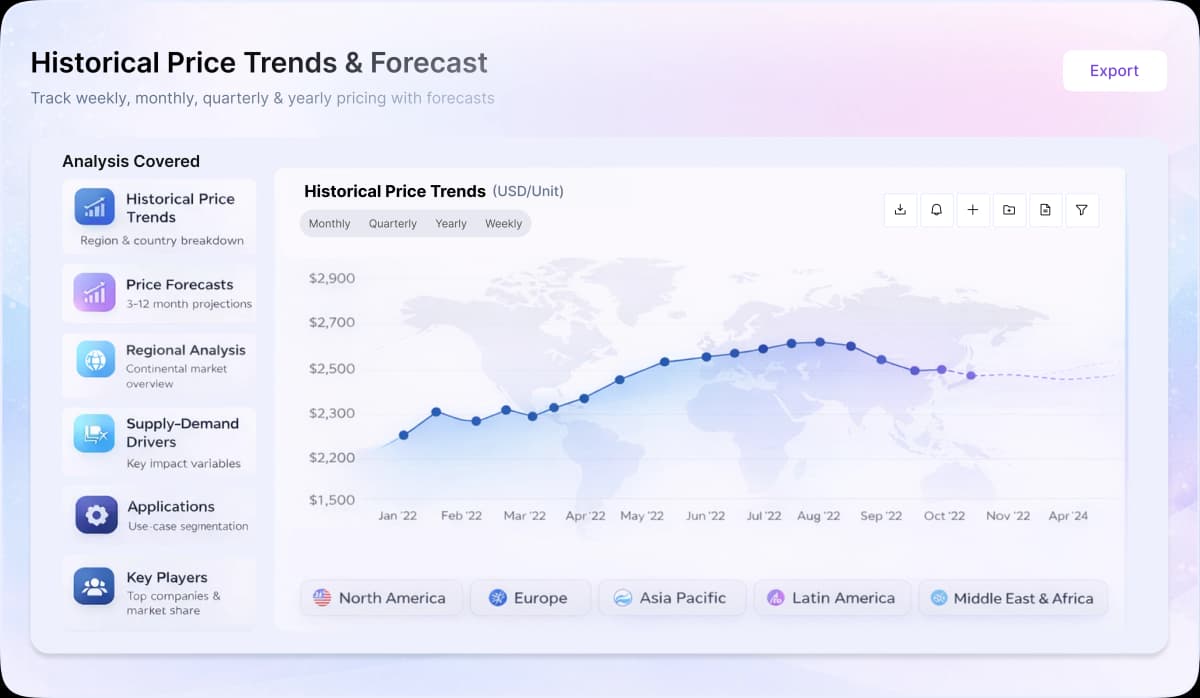
Turn price intelligence into action with the Procurement Resource Database. Log in or subscribe to unlock live price trends, historical charts, supplier databases, cost curves, and analyst-backed insights across chemicals, agriculture, energy, packaging, and more. Use these tools to benchmark your contracts, plan budgets with confidence, and stay ahead of market moves on every product you buy.
0
+Products
0
+Regions
0
+Subscriptions
Asia
In Asia, the mixed xylene market started on a slower note, with demand from key downstream sectors like paints, coatings, gasoline blending, and lubricants remaining moderate. End-user consumption showed little improvement, keeping market sentiment soft. Chinese buyers, in particular, were cautious in procuring import cargoes, as concerns over demand continued to dominate the region.
Despite a temporary bottoming-out of prices, the overall buying enthusiasm stayed low. Super Typhoon Yagi made landfall in parts of China and Vietnam during the period, but its impact on supply chains was minimal, further reflecting the general sluggishness in the market.
Europe
In Europe, mixed xylene prices firmed in early July due to a surprising increase in domestic demand and higher upstream costs. The planned cracker outages, especially in Germany, and a rise in natural gas prices contributed to the upward trend in the first half of the quarter. However, as the quarter progressed, the market took a downward turn due to weak buying sentiments, ample material availability, and sluggish demand from downstream sectors like paints and coatings.
The construction sector's slowdown, compounded by high interest rates and inflationary pressures, further softened demand. By September, the market sentiment remained muted, with tepid inquiries and abundant stock levels pushing prices lower. Export demand also diminished, keeping the European market on a downward trajectory.
North America
In North America, mixed xylene followed a similar trend, driven by fluctuating demand from the gasoline blending sector and the broader chemical industry. In the early part of Q3, rising feedstock costs, including crude oil and naphtha, kept prices supported. However, towards the latter part of the quarter, market players reported weaker buying interest, especially in the face of economic uncertainties. Slower industrial activities and tepid downstream demand weighed down market sentiment, and producers adjusted their operating rates to align with softer demand trends.
Mixed Xylene appears as a colourless, sweet-smelling liquid. It is one of the three isomers of dimethylbenzene which all together as known as xylenes. It is both insoluble in water and less dense than water.
C8H10
Rubber Industry, Production of gasoline, Leather industry
1,3-Xylene, 1,3-Dimethylbenzene
Merck KGaA, Honeywell International Inc., Chevron Phillips Chemical Company, Mitsubishi Gas Chemical Company Inc.
CurrencyUS$ (Data can also be provided in local currency)
Supplier Database AvailabilityYes
Customization ScopeThe report can be customized as per the requirements of the customer
Post-Sale Analyst Support360-degree analyst support after report delivery
Note: Our supplier search experts can assist your procurement teams in compiling and validating a list of suppliers indicating they have products, services, and capabilities that meet your company's needs.
This procedure involves the adsorptive separation of a mixture of C8 aromatics in order to recover Mixed Xylene along with other xylenes, which are then further separated to produce Mixed Xylene.
Our Price Analysis Methodology

AVP - Strategy and Solutions
Leading procurement research solutions across chemicals, materials, and food & beverages, with expertise in price forecasting and market analytics.
Experience how Procurement Resource transforms raw material price data into clear, decision ready intelligence. Optimise your performance with reliable, expert market data and analysis. Schedule your demo today to experience a live walk-through where our experts will showcase interactive price charts, forecasted prices, and insights driving the prices for your key commodities, tailored to your workflows. Contact us now!
Our Team will be happy to assist you
We are just a text away
Still Need Help?
The study offers a detailed cost analysis of Xylene Production via Catalytic Reformation. In addition, the report incorporates the manufacturing process with detailed process and material flow, operating costs along with financial expenses and depreciation charges.
This report presents a detailed cost analysis of m-xylene production from mixed xylenes using the adsorptive separation process.
Xylene Manufacturing Plant Project Report thoroughly focuses on every detail that encompasses the cost of manufacturing. Our extensive cost model meticulously covers breaking down expenses around raw materials, labour, technology, and manufacturing expenses. This enables precise cost structure optimization and helps in identifying effective strategies to reduce the overall cash cost of manufacturing.
Unlock full access to Procurement Resource's price databases, interactive charts, and short-term forecasts for thousands of commodities. Elevate your sourcing decisions by comparing prices across regions, downloading historical data, and layering in analyst-backed insights, all with our flexible plans that scale as your portfolio grows.
Still have any Questions
Contact Us



Price Trend Dashboard - What's Included
Price trends across a diverse portfolio of categories and products, spanning board to niche chemicals
Coverage extendable to grade-specific chemicals based on procurement requirements
Regular price tracking supported by robust historical datasets
News, policy updates, and key market drivers impacting price movements
Short-term and long-term price outlooks and forecasts
Supply–demand dynamics and capacity-driven market analysis

Track prices, market movements, supply-demand dynamics, and industry developments across hundreds of commodities through a centralized intelligence platform built for informed procurement decisions.

Understand market fluctuations using analyst-backed forecasts, historical pricing patterns, and evolving industry trends to strengthen sourcing strategies and budget planning.

Leverage cost models, pricing benchmarks, and procurement insights to evaluate purchasing opportunities, improve negotiations, and enhance operational efficiency.
Access region-specific price trends, trade activities, capacity changes, and supply chain developments influencing commodity markets worldwide.