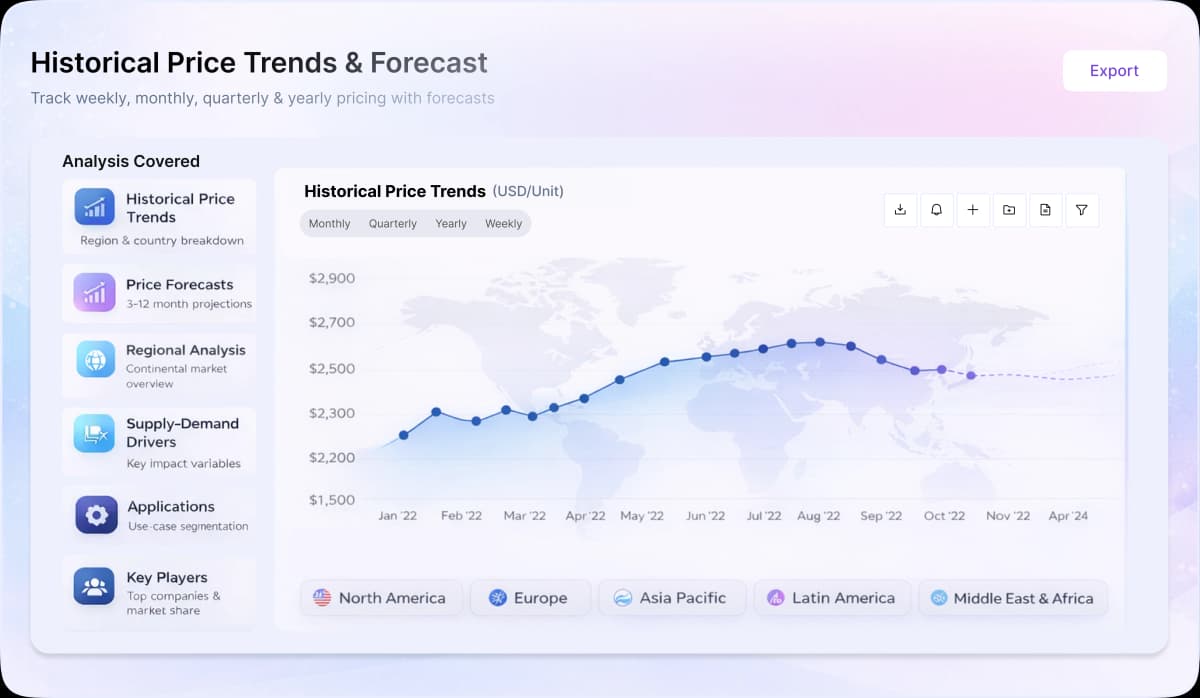
- Naproxen Sodium prices in Q1’26 followed a stable-to-firm global trend, supported by higher petrochemical-derived feedstock costs and elevated logistics expenses across pharmaceutical supply chains.
- Feedstock pressure intensified as benzene-linked aromatics and solvent costs increased following the Iran war and Strait of Hormuz disruption, tightening chemical supply conditions.
- Downstream demand remained steady from OTC pain-relief formulations, anti-inflammatory drugs, hospitals, retail pharmacies, and generic pharmaceutical manufacturers.
Asia
During Q1’26, Naproxen Sodium prices in Asia remained stable to slightly firm as higher feedstock costs and export-related logistics pressure supported the market. China and India continued to dominate API and pharmaceutical intermediate production, while buyers maintained cautious procurement because of balanced inventories. Feedstock conditions tightened as petrochemical-derived aromatics and solvents became more expensive after Middle Eastern supply disruptions affected global chemical chains. Demand from tablet, capsule, OTC analgesic, and anti-inflammatory drug manufacturing remained stable across domestic and export markets.
Europe
During Q1’26, Naproxen Sodium prices in Europe remained mildly firm due to higher compliance, utility, and import costs. Europe relied heavily on imported APIs and pharmaceutical intermediates from Asia, while elevated freight charges and insurance premiums increased delivered costs. Demand from hospitals, pharmacies, prescription-drug manufacturers, and OTC healthcare products remained steady, although buyers avoided aggressive restocking due to sufficient inventories and cautious procurement strategies.
North America
During Q1’26, Naproxen Sodium prices in North America stayed balanced with slight upward pressure from feedstock and logistics costs. U.S. pharmaceutical demand remained stable due to consistent OTC analgesic and anti-inflammatory drug consumption. FDA approval activity for naproxen sodium capsule products during January 2026 also reflected continued regulated market movement and steady formulation demand. Import availability from Asian suppliers remained sufficient, though elevated freight and petrochemical-related costs supported seller pricing during the quarter.