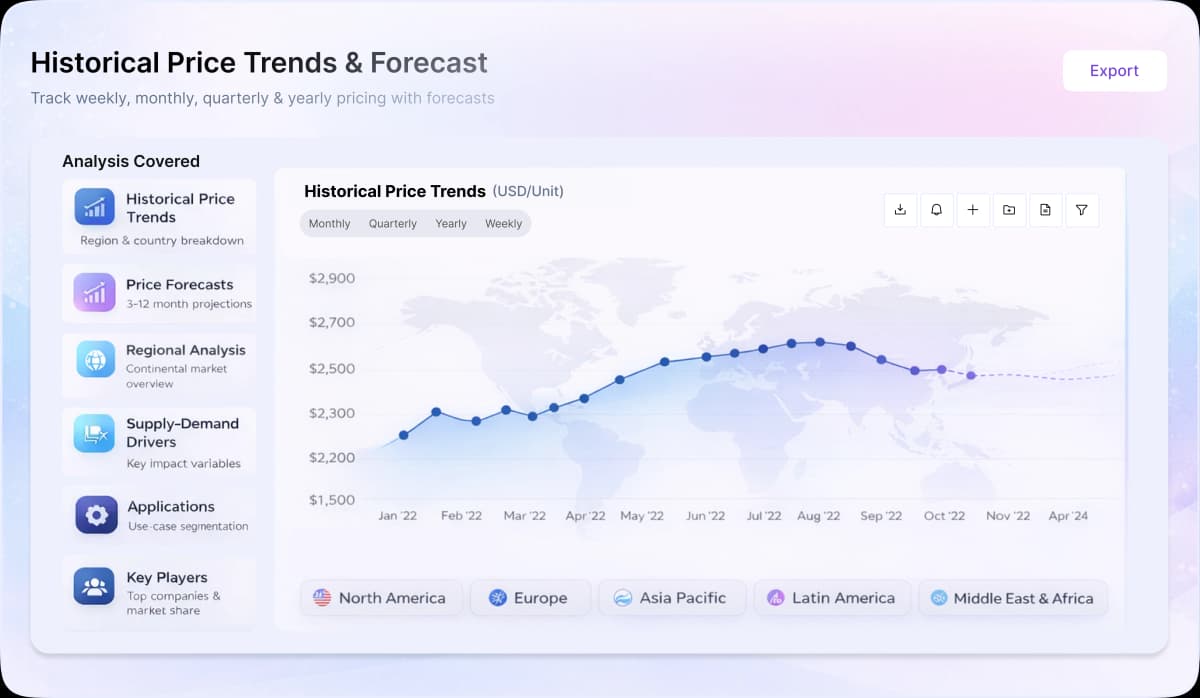
- Global pet coke prices showed a firm-to-mixed trend in Q1’26 as refinery output stayed stable while freight and energy risks increased due to geopolitical disruptions.
- Feedstock conditions remained supportive as refinery throughput and heavy residue availability ensured a steady supply, though logistics costs increased.
- Downstream demand remained steady from the cement, power, and aluminum sectors, supporting consistent consumption across regions.
Asia
Pet coke prices in Asia followed a firm trend in Q1’26, supported by steady downstream demand and tightening trade flows. Strong consumption from cement, power, and aluminum sectors maintained buying interest, while limited cargo availability and higher freight risk supported sentiment. The Iran war and Strait of Hormuz disruption increased shipping uncertainty, indirectly raising costs. Asia remained import-dependent, with steady demand absorbing available supply despite fluctuations in refinery output.
Europe
Pet coke prices in Europe remained stable to firm in Q1’26, supported by energy cost pressure and import dependence. Industrial demand from the cement and power sectors remained steady, while higher logistics and fuel costs increased the delivered cost risk. The Strait of Hormuz disruption affected sentiment as the route carries about one-quarter of global seaborne oil trade, raising energy and freight uncertainty. However, stable industrial demand limited volatility.
North America
Pet coke prices in North America remained stable with slight firming in Q1’26, supported by strong domestic refinery output and export-linked demand. U.S. petroleum coke exports reached 15,300 thousand barrels in January 2026, reflecting steady trade flow and global demand. Trade activity remained strong, with exports valued at $347 million in February 2026, indicating active international demand despite logistical challenges. Domestic supply reduced exposure to global disruptions, though higher freight costs influenced export competitiveness.