Soybean Meal Price Trend Analysis 2026: Market Insights, Price Drivers, Latest News, Supply Demand Analysis & Historical Prices

Shriya Singh profile photo
Written ByShriya Singh

Procurement Resource Database

Laptop screen

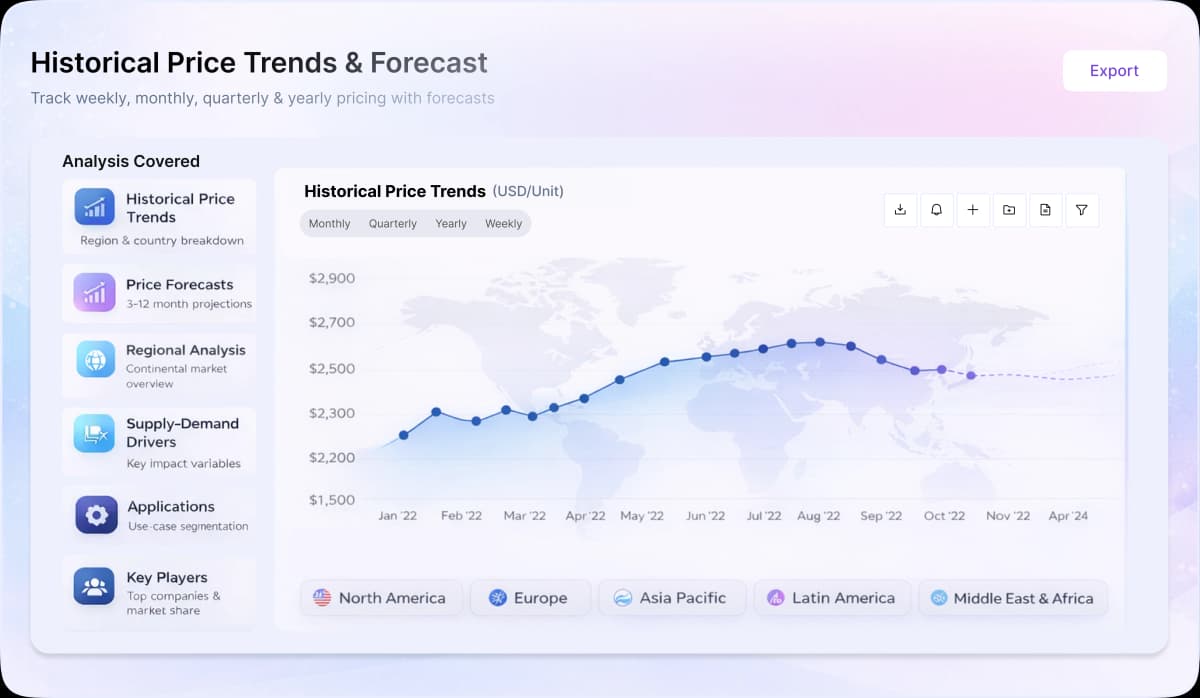
Turn price intelligence into action with the Procurement Resource Database. Log in or subscribe to unlock live price trends, historical charts, supplier databases, cost curves, and analyst-backed insights across chemicals, agriculture, energy, packaging, and more. Use these tools to benchmark your contracts, plan budgets with confidence, and stay ahead of market moves on every product you buy.

0

+

Products

0

+

Regions

0

+

Subscriptions

  • Global soybean meal prices showed a mild upward trend in Q1 2026, supported by steady feed demand and moderate supply-side disruptions.

  • Feedstock soybean costs increased slightly due to import dependence and higher freight and logistics expenses.

  • Downstream demand from the animal feed sector remained stable, with seasonal buying and festive consumption supporting procurement.

The price of soybean meal in China rose during Q1 of 2026, following the trend of an increase in the price of feedstocks. Soybean meal prices averaged ~ RMB 3.17/kg in January while climbing to ~ RMB 3.30/kg in March, representing an overall increase of 5.30%. The main reason behind such an increase in soybean meal prices was the country's heavy dependence on imported soybeans. Changing international trade flows toward South American soybeans made imports possible but restricted supply due to changing logistics needs. Higher import activity in the livestock sector for use in animal feed, as well as imported soybeans used in making edible oils, maintained steady demand. Meanwhile, geopolitical issues in the Middle East impacted shipping and raised transport costs due to delays in delivery and higher freight charges. Despite a sufficient global soybean supply, these logistical constraints and steady demand supported prices toward the end of the quarter, preventing any decline.

About Soybean Meal

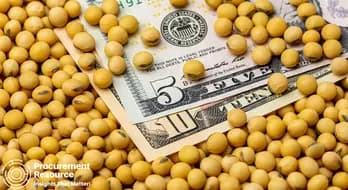
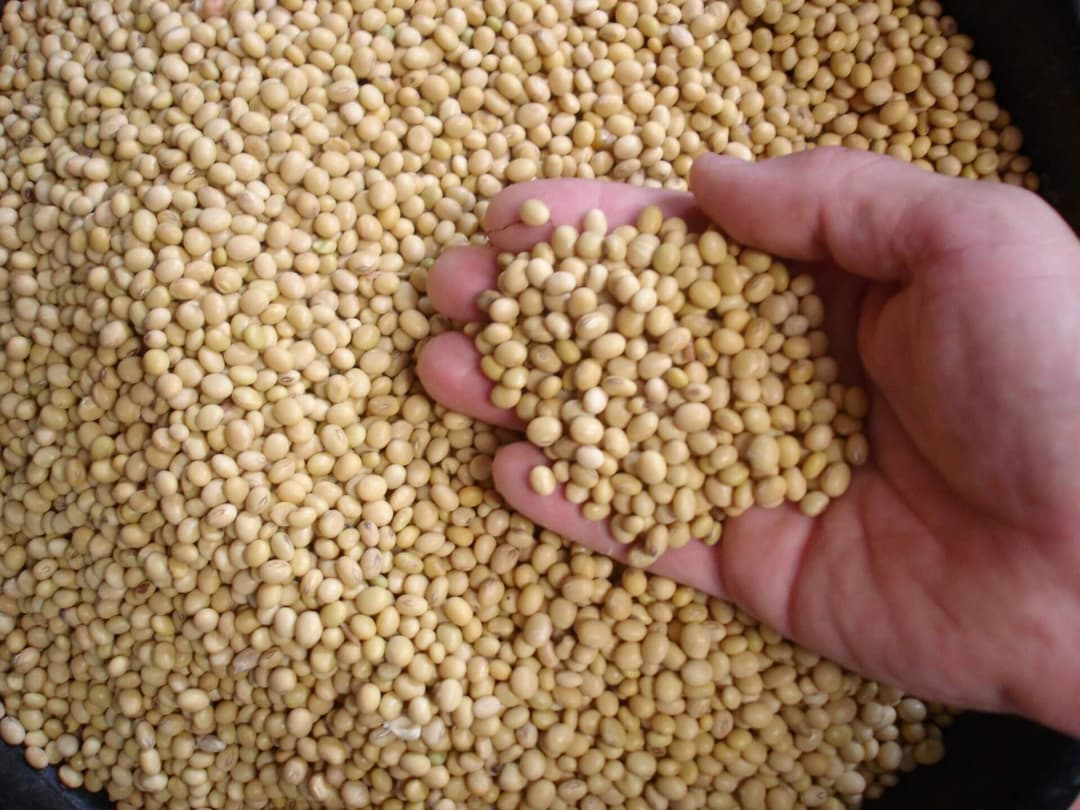
Soybean meal is the by-product of the soybean oil extraction process. It is widely used for its crude protein content. Soybean meal serves as the most important protein source to feed the farm animals. It is also known as a source of metabolisable energy. Sometimes, soybean meal is also prepared from the residue left after oil extraction.

Soybean Meal Product Detail

Industrial Uses

Animal feed, Soy flour, Beverages (like soy milk), Dietary supplements, Healthcare products

Supplier Database

SunOpta Inc, Grain Millers, Inc, Adams Group, Simmons Grain Company, Professional Proteins, Ltd.

Regional Coverage

Asia Pacific

China, India, Indonesia, Pakistan, Bangladesh, Japan, Philippines, Vietnam, Iran, Thailand, South Korea, Iraq, Saudi Arabia, Malaysia, Nepal, Taiwan, Sri Lanka, UAE, Israel, Hongkong, Singapore, Oman, Kuwait, Qatar, Australia, and New Zealand

Europe

Germany, France, United Kingdom, Italy,Spain, Russia, Turkey, Netherlands, Poland, Sweden, Belgium, Austria, Ireland Switzerland, Norway, Denmark, Romania, Finland, Czech Republic, Portugal and Greece

North America

United States and Canada

Latin America

Brazil, Mexico, Argentina, Columbia, Chile, Ecuador, and Peru

Africa

South Africa, Nigeria, Egypt, Algeria, Morocco

CurrencyUS$ (Data can also be provided in local currency)

Supplier Database AvailabilityYes

Customization ScopeThe report can be customized as per the requirements of the customer

Post-Sale Analyst Support360-degree analyst support after report delivery

Note: Our supplier search experts can assist your procurement teams in compiling and validating a list of suppliers indicating they have products, services, and capabilities that meet your company's needs.

Soybean Meal Production Processes

In this process, extraction of soybean oil from soybean flakes is carried out with the help of solvent. In the regions like the US, almost all soybeans (99%) are solvent-extracted. This is considered as the most efficient method as only 1.5% oil is left in the resulting Soybean Meal.

Frequently Asked Questions

Soybean meal prices remained supported during Q1 2026 by strong livestock feed demand and active soybean crushing across major producing regions. Higher crushing improved meal availability, while firm poultry and swine feed consumption sustained buying interest. In China, soybean meal prices increased around 5.30% between January and March, while Brazil recorded an increase of approximately 10.78%, supported by export demand and feed-sector consumption.
Soybean meal prices are expected to remain supported by strong global feed demand, particularly from poultry, swine, and aquaculture sectors. USDA forecasts global oilseed meal trade at a record 119 million tons in 2026/27, with soybean meal exports rising 5% to 88 million tons and consumption increasing 3% to 405 million tons. Expanding soybean crushing in Brazil and the United States may improve meal availability and moderate sharper price increases.
Soybean meal supply depends directly on soybean crushing because meal is produced as a co-product during soybean oil extraction. Larger soybean harvests in Brazil, the United States, and Argentina typically support higher crushing activity and meal availability. Crushing margins, biofuel-driven soybean oil demand, and export demand also influence meal production volumes and global supply conditions.
Seasonal weather conditions in Argentina remained an important market driver during early 2026. USDA reported that January dryness affected soybean crop conditions, particularly in southeastern Buenos Aires where rainfall reached near-historic lows. Although February rains stabilized crop conditions and maintained production near 48 MMT, weather-related supply risks continued supporting soybean meal market sentiment and crush-related pricing expectations.
Argentina, Brazil, and the United States dominate global soybean meal exports due to large soybean harvests and crushing industries. Major import demand comes from feed-intensive regions including the European Union, Vietnam, Indonesia, and Mexico, where livestock and aquaculture sectors rely heavily on imported protein meal for feed manufacturing.
Soybean meal prices are influenced by soybean crop size, crushing margins, livestock feed demand, export availability, freight costs, and currency movements in major producing countries. Prices are also affected by competing protein meals such as rapeseed and sunflower meal, while poultry, swine, dairy, and aquaculture demand remain key consumption drivers.
Soybean meal is a major protein ingredient in animal feed, so growth in poultry, swine, cattle, and aquaculture production directly raises consumption. Strong feed demand can absorb higher meal output from increased crushing and prevent sharp price declines.
Biodiesel and renewable diesel demand raise soybean oil consumption, encouraging higher soybean crushing. This increases soybean meal output as a co-product. Higher meal availability can pressure prices, unless feed-sector demand is strong enough to absorb the additional supply.
Indonesia issued Minister of Trade Regulation No. 11 of 2026, placing soybean meal under tighter agricultural import controls effective May 8, 2026. The regulation may increase licensing requirements and slow import approvals for feed-sector buyers, potentially affecting regional soybean meal trade flows and procurement activity in Southeast Asia.
Procurement Resource employs a structured methodology combining primary research, secondary market data, analytical models, and validation processes to assess soybean meal prices and trends. Price evaluations incorporate supply-demand dynamics, feedstock movements, trade flows, and value chain analysis, supported by continuous market monitoring to ensure accurate and reliable insights.

Our Price Analysis Methodology

About the Author

Shriya Singh profile photo

Shriya Singh

Business Insights Analyst

Helping procurement and sourcing teams navigate complex markets through data-driven research, category intelligence, and actionable insights - with a focus on identifying market trends, analyzing supply-side developments, and delivering clear intelligence that supports informed business decisions.

Schedule Demo

Schedule a demo

Experience how Procurement Resource transforms raw material price data into clear, decision ready intelligence. Optimise your performance with reliable, expert market data and analysis. Schedule your demo today to experience a live walk-through where our experts will showcase interactive price charts, forecasted prices, and insights driving the prices for your key commodities, tailored to your workflows. Contact us now!

Our Team will be happy to assist you

We are just a text away

+1

Still Need Help?

Europe & Africa

+44 7573 171117

[email protected]

USA & Canada

+1 307 363 1045

[email protected]

APAC

+91 8850629517

[email protected]

Other Related Reports

Glycerin Production from Plant and Animal Sources

The report involves the cost analysis of the production of Glycerin from plant and animal sources where it occurs in triglycerides, esters of glycerol with long-chain carboxylic acids.

Unlock full access to Procurement Resource's price databases, interactive charts, and short-term forecasts for thousands of commodities. Elevate your sourcing decisions by comparing prices across regions, downloading historical data, and layering in analyst-backed insights, all with our flexible plans that scale as your portfolio grows.

Still have any Questions

Contact Us
Mastercard
Wire
VISA
Stripe

Related News

View All

Why Procurement Database

Commodity Market Intelligence

Commodity Market Intelligence

Track prices, market movements, supply-demand dynamics, and industry developments across hundreds of commodities through a centralized intelligence platform built for informed procurement decisions.

Price Forecasts & Market Outlooks

Price Forecasts & Market Outlooks

Understand market fluctuations using analyst-backed forecasts, historical pricing patterns, and evolving industry trends to strengthen sourcing strategies and budget planning.

Cost & Procurement Optimization

Cost & Procurement Optimization

Leverage cost models, pricing benchmarks, and procurement insights to evaluate purchasing opportunities, improve negotiations, and enhance operational efficiency.

Global & Regional Market Insights

Global & Regional Market Insights

Access region-specific price trends, trade activities, capacity changes, and supply chain developments influencing commodity markets worldwide.

1/4