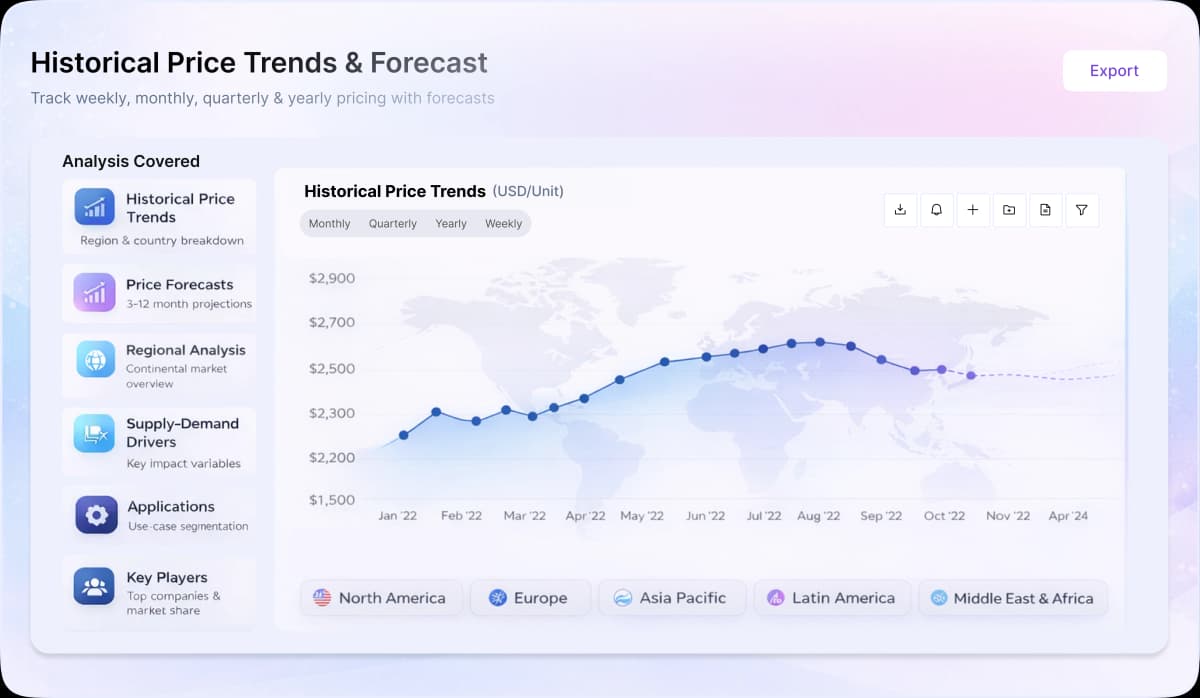
- Global Vitamin D3 markets remained firm during Q1’26 due to tightening supply conditions, elevated logistics costs, and continued demand from pharmaceutical, feed additive, and nutraceutical sectors.
- Feedstock and production costs increased due to higher energy prices, rising transportation expenses, and elevated costs for upstream intermediates used in Vitamin D3 synthesis.
- Downstream demand from dietary supplements, pharmaceuticals, infant nutrition, and animal feed sectors remained stable across major regions, while precautionary procurement and inventory rebuilding supported additional buying activity during the quarter.
Asia
Asian Vitamin D3 markets remained firm during Q1’26 as stable downstream demand and tightening export logistics supported market sentiment. Rising crude oil prices and disruptions around the Strait of Hormuz increased freight costs and delayed cargo movement across regional supply chains. China maintained its dominant role in the global vitamin supply chain, with pharmaceutical and chemical exports continuing to show stable growth during the quarter, supporting downstream consumption from international nutraceutical and feed additive industries. Demand from dietary supplements, infant nutrition, and livestock feed sectors remained steady, while cautious inventory management limited aggressive spot purchasing during February.
Europe
European Vitamin D3 markets experienced upward cost pressure during Q1’26 amid elevated import costs, logistics disruptions, and continued dependence on Asian vitamin supply chains. Freight inflation and insurance premiums increased significantly following the Iran conflict and restricted vessel movement through the Strait of Hormuz. Demand from the pharmaceutical, fortified food, and nutraceutical sectors remained comparatively stable despite broader economic uncertainty. Importers maintained cautious procurement strategies due to volatile shipping conditions and longer delivery lead times, while healthcare and dietary supplement consumption continued supporting baseline demand across the region.
North America
North American Vitamin D3 markets remained comparatively balanced during Q1’26, supported by stable pharmaceutical and dietary supplement demand. Rising global freight costs and tighter shipping availability increased procurement expenses for imported vitamin products during March. Pharmaceutical and nutraceutical imports remained elevated during the quarter, supporting downstream consumption across healthcare, fortified foods, and animal nutrition industries. Buyers maintained cautious inventory strategies while monitoring ongoing geopolitical risks and logistics disruptions linked to the Middle East conflict.