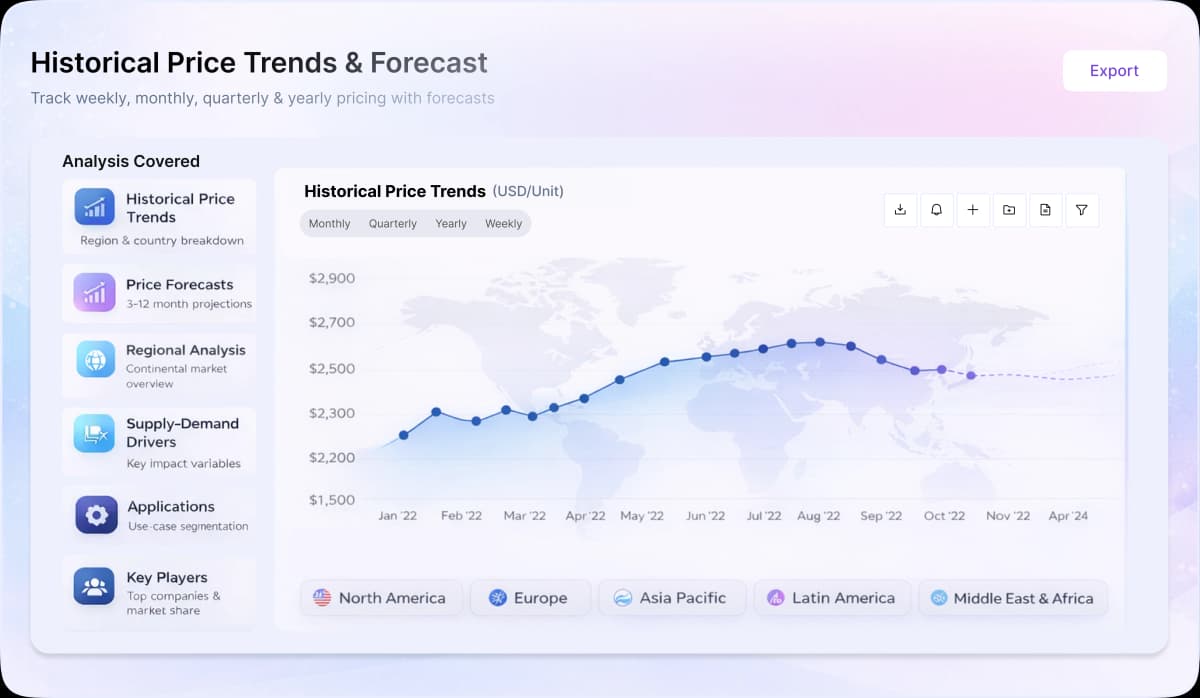
- Global zinc ingot markets remained firm but volatile during Q1’26, supported by tight concentrate availability, geopolitical risks, and elevated logistics costs across major trade routes.
- Feedstock conditions stayed supported due to constrained concentrate supply and increasing freight and insurance costs linked to the Strait of Hormuz disruptions.
- Downstream demand remained uneven, with weak galvanizing and construction activity limiting stronger gains, though infrastructure and new energy sectors provided moderate support.
Asia
In Asia, zinc ingot markets remained stable to firm during Q1’26 amid fluctuating downstream demand and geopolitical uncertainty. In China, zinc prices increased approximately 11.01% quarter-on-quarter, supported by tightening logistics conditions and elevated transportation expenses despite high smelter operating rates and sufficient concentrate availability. Weak demand from the galvanizing and construction sectors initially restricted stronger momentum; however, disruptions in shipping routes through the Strait of Hormuz increased freight costs and raw material uncertainty, supporting regional sentiment. Similarly, in India, zinc prices increased in Q12’26, reflecting stronger global market conditions and supply-chain pressure. Demand from downstream steel and galvanizing sectors remained moderate, while higher energy-linked transportation costs and geopolitical disruptions increased landed material costs.
Europe
In Europe, zinc ingot prices increased during the first quarter of 2026, representing a 9.55% quarter-on-quarter rise. The regional market remained supported by global supply tightness and continued dependence on imports. Rising logistics expenses, shipping delays, and elevated insurance premiums linked to Middle East tensions increased regional supply costs and tightened availability. Demand from infrastructure, automotive coatings, and galvanizing sectors remained moderate, although cautious procurement and weak industrial growth limited stronger buying activity.
North America
In North America, zinc ingot prices followed a stable to firm trend during Q1’26, supported by global concentrate tightness and steady industrial demand. Supply-chain disruptions and elevated transportation costs associated with reduced shipping activity through the Strait of Hormuz increased procurement expenses across the region. Demand from automotive, infrastructure, and galvanizing applications remained comparatively steady, although buyers largely maintained short-term purchasing strategies amid volatile global trade conditions and uncertain economic sentiment.