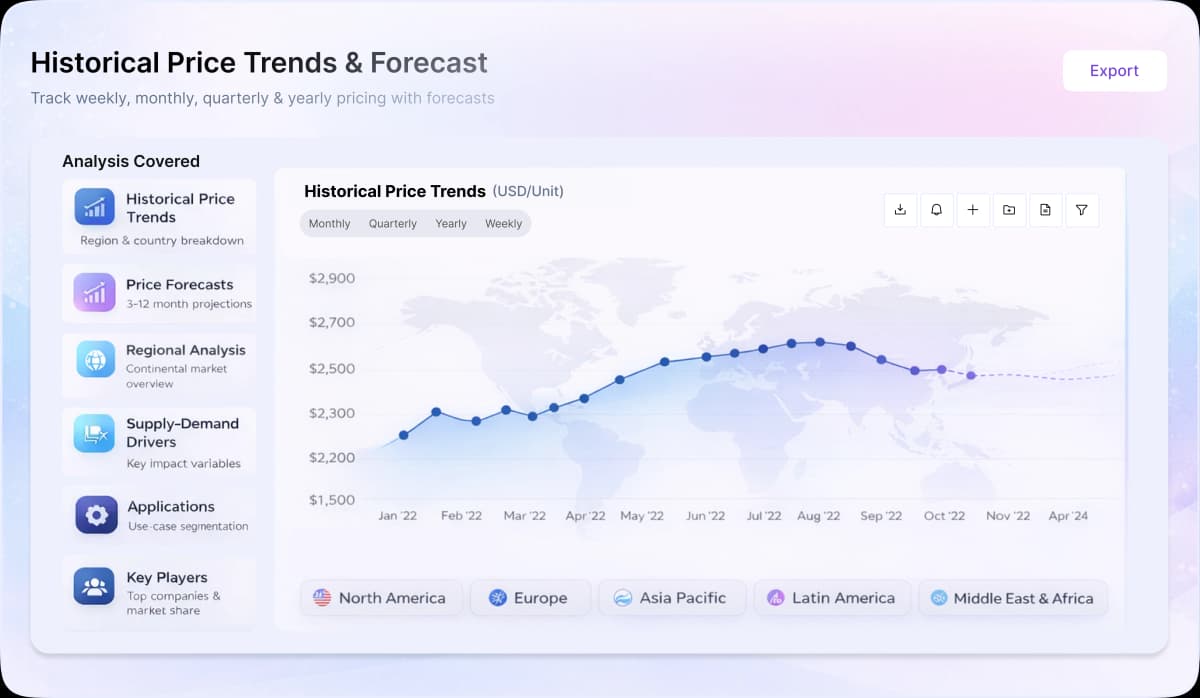
- Zinc oxide prices moved upward globally during Q1’26, with stronger gains toward March as supply tightened and production costs increased across major markets.
- Rising zinc metal prices remained the main cost driver, while Middle East tensions and shipping disruption added further pressure on raw material movement and delivered costs.
- Downstream demand from rubber, tire, construction, ceramics, and other industrial sectors remained steady enough to support procurement through the quarter.
Asia
In Asia, zinc oxide prices remained firm, with China showing the strongest cost-driven pressure during Q1’26. Rising zinc metal prices, a key feedstock for zinc oxide production, steadily increased manufacturing costs during the quarter. Conditions became tighter toward March as Middle East tensions disrupted regional supply chains, and the closure of the Strait of Hormuz created logistical issues across shipping routes. Higher freight costs, delays in cargo movement, and pressure on raw material availability raised delivered input costs for producers. At the same time, zinc prices stayed elevated and volatile, which kept replacement costs high for manufacturers. Supply remained cautious as producers faced cost pressure, while demand from rubber, tire, ceramics, and industrial applications continued to support regular buying interest, keeping the market firm.
Europe
In Europe, zinc oxide price trends were driven by feedstock cost fluctuations and conservative downstream demand. The rubber and ceramics segment demand continued to be weak at the start of the quarter, limiting price gains. Nevertheless, as the quarter progressed, the market remained reactive to changes in the import situation and shipping rates, and zinc oxide prices remained mainly driven by feedstock costs. The region’s dependence on imported material and sensitivity to external trade flows meant that any increase in freight or disruption in upstream movement directly affected zinc oxide pricing.
North America
The zinc oxide price trend in North America saw market support from increased feedstock and logistics costs during Q1’26. The major feedstock, zinc, prices increased during the quarter, while port congestion and higher shipping costs increased the landed costs of imported materials. Stable demand in the automotive and rubber end-markets provided sufficient support to pricing despite selective procurement behaviour from buyers.