Udeesha Tomar
AVP - Strategy and Solutions
Leading procurement research solutions across chemicals, materials, and food & beverages, with expertise in price forecasting and market analytics.

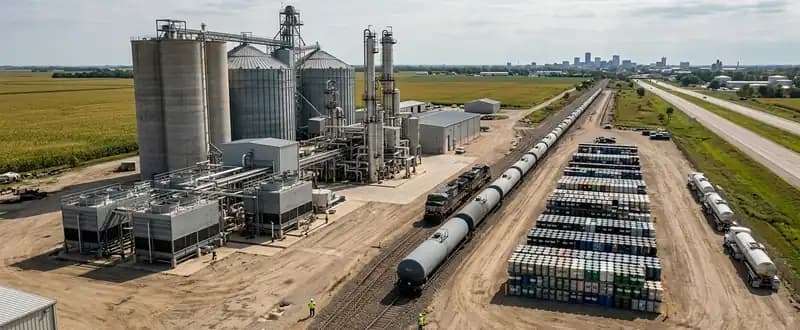
Calcium nitrate prices firmed in the United States early in 2026, rising about 3.4% as higher freight, tariff pressure and tighter import flows pushed costs up. Buyer activity picked up around mid-month, helped by constrained Russian tonnage and weaker seasonal shipping from Canada, which left domestic supply less comfortable than a year earlier. The move stands in contrast to softer conditions in parts of Europe during 2025, where subdued demand and full inventories had pulled prices down.
The cost pressure came mainly from logistics and trade flows rather than a demand surge. Reduced availability of imported material, combined with rising freight and the effect of tariffs, tightened the delivered supply picture and gave sellers room to raise prices. For buyers, that means the increase reflects the cost of getting product to market as much as any change in underlying consumption, a distinction that matters when planning where to source from.
Demand remains anchored in agriculture, which accounted for roughly 67% of consumption. Growers favor calcium nitrate because it dissolves fully and contains no chloride, which makes it the preferred nitrogen and calcium source for fertigation. The spread of drip, micro-sprinkler and pivot irrigation has steered more growers toward fully water-soluble nitrate sources, reinforcing steady baseline demand. That structural pull supports the market even when prices rise, since the product fills a specific agronomic need that cheaper alternatives cannot always match.
Request the Latest Calcium Nitrate Prices Data - Access Price Insights Now
Policy is reshaping the supply side. The carbon border adjustment framework that took effect in 2026 favors local low-carbon producers and discourages high-carbon imports, while encouraging investment in green ammonia projects that will feed future nitrate production. For buyers, that points to a gradual shift in sourcing toward regional and lower-carbon supply, with cost and availability increasingly tied to carbon profile as well as price.
For procurement teams, the combination of firmer prices, tighter imports and changing trade rules argues for closer attention to origin and logistics. Growers and fertigation buyers facing higher landed costs may benefit from securing supply earlier in the season and from working with suppliers who can demonstrate stable, lower-carbon sourcing under the new framework. Tracking freight rates, tariff developments and import flows from major suppliers gives the clearest read on where delivered prices head next. With demand structurally supported by fertigation and supply increasingly shaped by carbon policy, calcium nitrate buyers should plan around steady to firm costs rather than expecting a return to the soft conditions seen in 2025.
AVP - Strategy and Solutions
Leading procurement research solutions across chemicals, materials, and food & beverages, with expertise in price forecasting and market analytics.


We are Just a Text away